Catch the Northern Lights From Vík With a 10–30 Minute Drive
Catch the Northern Lights From Vík With a 10–30 Minute Drive

Yes, you can see the Northern Lights from Vík, but your success depends far more on cloud cover than on how strong the aurora forecast looks on Nordic & Arctic Europe Yacht Charters. Check the IMO aurora and cloud forecast before you head out, pick a nearby clear gap, and be ready to drive. Keep distance from the surf at Reynisfjara and file a SafeTravel plan before any night drive.
TL;DR:
- Cloud cover is the most critical factor for viewing the Northern Lights near Vík, surpassing aurora activity forecasts and geomagnetic strength.
- Staying close to Vík allows for quick response to shifting clear patches, increasing chances of seeing the aurora during short sky openings.
- Cloud and wind conditions vary locally, so checking real-time forecasts and adjusting your position accordingly is essential for optimal viewing.
- Most aurora displays occur between 10:00 PM and 1:00 AM, with the best months being November through February for longer, darker nights.
- Moving actively and planning your drives based on cloud coverage and wind direction in real-time boosts your chances more than relying solely on high Kp numbers.
Table of Contents
- Why Vík works as a viewing base, and where it falls short
- When to go: season, timing, and the 2026 solar cycle
- Best viewing spots near Vík and the trade-offs of each
- Reading live forecasts and moving fast when skies open up
- Safety checklist before you head out at night
- A local perspective on staying near Vík for aurora nights
- What matters more than people think: mobility beats a strong forecast
- Stay close enough to catch the clear gap
- FAQ
- Sources
Why Vík works as a viewing base, and where it falls short
Vík is a small, dark village with almost no light pollution, which already puts it ahead of most towns in Iceland for aurora viewing. The black sand beaches and sea stacks at the edge of town give photographers a foreground that few other spots in the country can match.
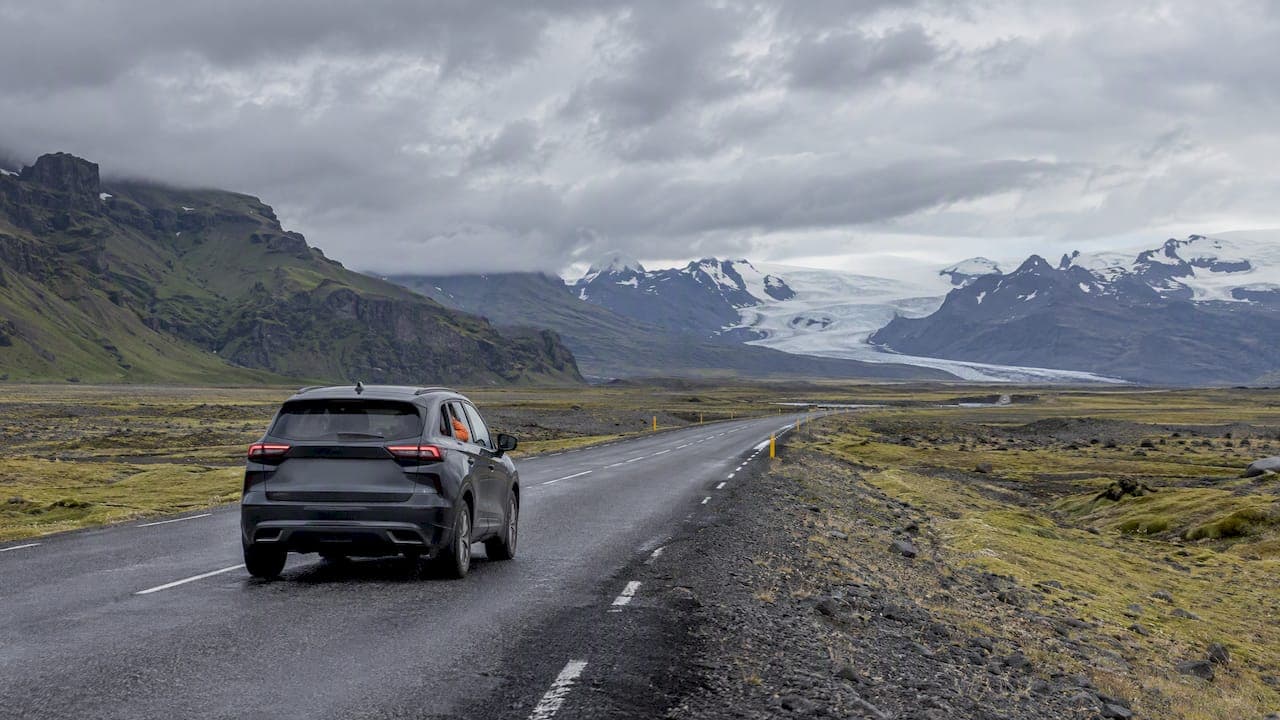
The catch is topography. The mountains behind Vík and the nearby Mýrdalsjökull glacier can block a large stretch of the northern horizon right from the village center, so a display that looks strong on a map might stay hidden behind a ridge if you stay put. Local guides note that many successful aurora chasers end up driving ten to thirty minutes east or west of town to find an open view of the sky, because Vík’s mountains and glacier often block the northern horizon seen from inside the village.
The South Coast also tends to run cloudier than inland Iceland. A strong geomagnetic forecast means nothing if a cloud bank sits over your head, so treat local sky conditions as the deciding factor, not the headline aurora rating.

When to go: season, timing, and the 2026 solar cycle
Aurora season in Iceland runs from late August through mid-April, when nights are dark enough for the lights to register. The darkest months, from November through February, give you the longest viewing windows and the best overall odds.
Most displays peak somewhere between 10:00 PM and 1:00 AM local time, though this shifts night to night, so always check a live forecast rather than planning around a fixed clock.
2026 sits inside the peak window of Solar Cycle 25, which peaked in 2024 and 2025 and keeps activity elevated through 2026, meaning more frequent moderate to strong geomagnetic storms than you’d see during a solar minimum year. That raises your baseline chances across the season, but it still does not override cloud cover as the variable that decides whether you see anything from where you are standing.
Best viewing spots near Vík and the trade-offs of each
Not every spot near Vík works the same way, and conditions on a given night will often decide which one makes sense.
- Víkurfjara/Reynisfjara: dramatic black sand and sea-stack foregrounds, but sneaker waves make the shoreline genuinely dangerous, so stay well above the highest wet-sand line and shoot from higher ground.
- Víkurkirkja (church hill): an elevated, low-risk fallback with parking right there, good for a quick look when you don’t want to drive.
- Dyrhólaey: wide panoramas and the famous arch, though access depends on road conditions and can close in poor weather.
- Mýrdalssandur plain: a flat, open stretch with an unobstructed view north, useful exactly when the village or coastal cliffs block your sight line.
Wind direction often tells you which way to drive. If the wind is coming from the northeast, head west toward Reynisfjara; if it’s coming from the west or northwest, head east toward the Mýrdalssandur plain, since the leeward side of the weather system tends to clear first. When beach access looks risky, Dyrhólaey and the church hill give you a safer elevated alternative to standing at the surf line.
Pro Tip: Check wind direction on a weather app before you leave, then pick your side of town based on where the clouds are moving away from, not toward.
For composition ideas once you’ve settled on a spot, our guide to photographing the northern lights covers camera settings suited to dark foregrounds like these.
Reading live forecasts and moving fast when skies open up
The Icelandic Meteorological Office aurora page combines an aurora activity forecast with a cloud-cover map, and the cloud map matters more than almost anything else on the page: white areas are clear, green areas are cloudy.
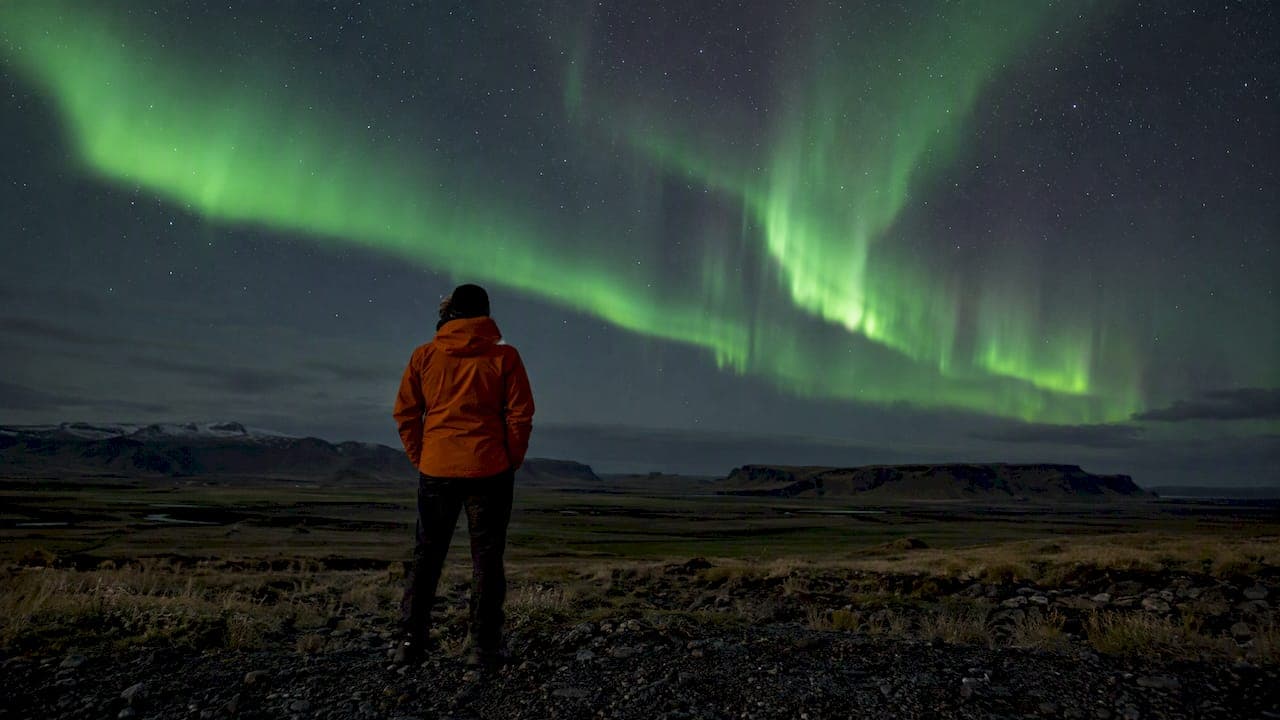
The Kp index on the same page runs from 0 to 9 and measures geomagnetic strength, but a low Kp of 2 to 3 can still produce a beautiful show under clear, dark skies, so don’t dismiss a quiet-looking night without checking the clouds first.
A workflow that works:
- Open the cloud map and find the nearest clear tile to Vík.
- Check the Kp number for a sense of overall strength.
- Confirm wind direction to guess which way skies are likely to stay clear.
- Drive toward the clear, leeward area rather than waiting where you are.
Forecasts and cloud maps that refresh every 5 to 10 minutes let you track a moving clear patch in near real time, which matters more on a shifting night than any single snapshot. Keep the page open on your phone and plan for a ten to thirty minute drive instead of staying parked in one spot hoping the sky clears above you. Our webcam guide is a useful second check if you want a live visual before you commit to driving.
Safety checklist before you head out at night
Night aurora hunting on the South Coast comes with real risks, mostly from weather, darkness, and water. A short checklist keeps the night about watching the sky instead of managing an emergency.
- File a plan on SafeTravel and tell someone your route and expected return time.
- Pack warm, waterproof layers, a headlamp, a backup power source, and a reliable navigation method in case signal drops.
- Favor several short drives toward clear patches over one long drive through uncertain weather.
- At Reynisfjara, stay above the highest wet-sand line, obey any warning lights, and keep children well back from the water.
Icelandic officials recommend filing a travel plan and preparing for fast-changing weather before any night drive on the South Coast, and that advice applies just as much to a short aurora hop as to a longer road trip.
A local perspective on staying near Vík for aurora nights
Staying close to Vík shortens the gap between checking the forecast and actually standing under a clear sky, which matters more than most people realize on a night with moving cloud cover. When a gap opens at 11:30 PM, the traveler staying twenty minutes outside of town often misses it while still driving.
Our team’s journal posts on local vantage points near Vík and the best time to visit for aurora chasers cover the same ground this guide does, built from the same local terrain and weather patterns. Booking a bed or a room close to the village gives you more usable nights across a multi-day stay, simply because you can step outside and check instead of committing to a long drive first.
What matters more than people think: mobility beats a strong forecast

Most aurora advice fixates on the Kp number, as if a high reading guarantees a show and a low one guarantees nothing. That’s backward for a place like Vík. A Kp of 2 under a clear sky beats a Kp of 6 under cloud every time, and the South Coast’s weather changes fast enough that the spot you pick at 9:00 PM may be the wrong one by 11:00 PM.
The travelers who do best here treat the night as a mobility problem, not a waiting game. They check the cloud map before they check the Kp number, they know which way the wind is blowing, and they’re willing to drive twenty minutes rather than stand in one place hoping. Reynisfjara gets the attention for its photos, but it’s also where people get hurt by underestimating the surf. Pick your spot for safety first, then for foreground, and let the forecast tell you when to move, not whether to bother going out at all.
— Siggi
Stay close enough to catch the clear gap
Being based near Vík means the gap between checking the forecast and standing outside is minutes, not an hour of driving back from somewhere farther down the coast. Dormitory-style rooms are available in a converted barn just outside Vík, with both shared and private options depending on how much space you want.

- Book a shared or private room through the rooms page depending on your budget and need for privacy.
- Traveling with friends: our group booking option lets you reserve a whole room together.
- Breakfast and pizza are available on site, providing meal options for guests after a late aurora night.
Check room availability on our rooms page or set up a group stay through group bookings and give yourself the best shot at stepping outside the moment the sky clears.
FAQ
Is 2026 a good year for the aurora borealis?
Yes, 2026 falls inside the peak window of Solar Cycle 25, which peaked in 2024 and 2025 and keeps activity elevated through 2026. That raises the frequency of moderate to strong geomagnetic storms compared to a solar minimum year, though local cloud cover still decides what you actually see on any given night.
What time tonight is best to see the Northern Lights?
Displays most often peak somewhere between 10:00 PM and 1:00 AM local time, but this shifts from night to night. Check the IMO aurora forecast for the current night’s activity window rather than relying on a fixed schedule.
What can you see in Vík, Iceland?
Vík sits near some of Iceland’s most photographed landscapes, including the black sand beaches at Reynisfjara and Víkurfjara, the sea stacks of Reynisdrangar, the church on the hill above town, and the cliffs and arch at Dyrhólaey. These same spots double as aurora viewing locations once the sun goes down.
Is there going to be aurora borealis tonight?
Check the IMO aurora and cloud forecast for the current geomagnetic activity level and cloud cover over your area. A low Kp number paired with clear skies can still produce a visible display, so don’t rule out a quiet-looking forecast without checking the clouds.
Sources
- Aurora forecast for Iceland | Aurora forecasts | Icelandic Meteorological office
- How to see the Northern Lights from Vík in south Iceland? | Iceland at Night
- Northern Lights at Vík and Reynisfjara: Iceland’s Black-Sand-Beach Aurora Guide — Aurora Iceland
- The Solar Cycle and Northern Lights: Why 2024–2026 Is an Exceptional Aurora Period
- Safe travel guidance — Visit Reykjavík