Shared hostel spaces: affordable adventure & community
Shared hostel spaces: affordable adventure & community
TL;DR:
- Modern hostels are social spaces offering affordability, community, and unique Icelandic experiences.
- Key features include communal kitchens, lounges, secure lockers, and outdoor options like hot tubs and viewing terraces.
- Hostels in Iceland foster real-time traveler connections, making them strategic and enriching base camps for exploration.
Hostels have a reputation problem. Many travelers picture cramped bunk beds, noisy dorm rooms, and zero privacy, but that picture is about 20 years out of date. Modern shared hostel spaces are social hubs built for adventure seekers who want more than just a place to sleep. In Iceland especially, hostels redefine budget travel by combining affordability with access to some of the most dramatic landscapes on earth. This guide breaks down exactly what shared hostel spaces are, what to expect inside them, who they work best for, and how to squeeze every ounce of value from your stay.
Table of Contents
- What is a shared hostel space?
- Essential features of shared hostel spaces
- The community and social scene in hostels
- Is a shared hostel space right for you?
- Why shared hostels are Iceland’s secret advantage — if you know what to expect
- Ready for Iceland? Fox Hostel’s spaces make every krona count
- Frequently asked questions
Key Takeaways
| Point | Details |
|---|---|
| Shared hostel spaces defined | Hostels offer dorm beds and communal areas that encourage social interaction and affordability. |
| Unique Icelandic amenities | Many Iceland hostels feature cozy lounges, guest kitchens, and scenic settings for budget travelers. |
| Community-driven travel | Shared hostels connect you with like-minded adventurers through group activities and communal dining. |
| Who hostels suit best | Solo, group, and adventure travelers get the most value, while privacy-seekers may prefer private rooms. |
What is a shared hostel space?
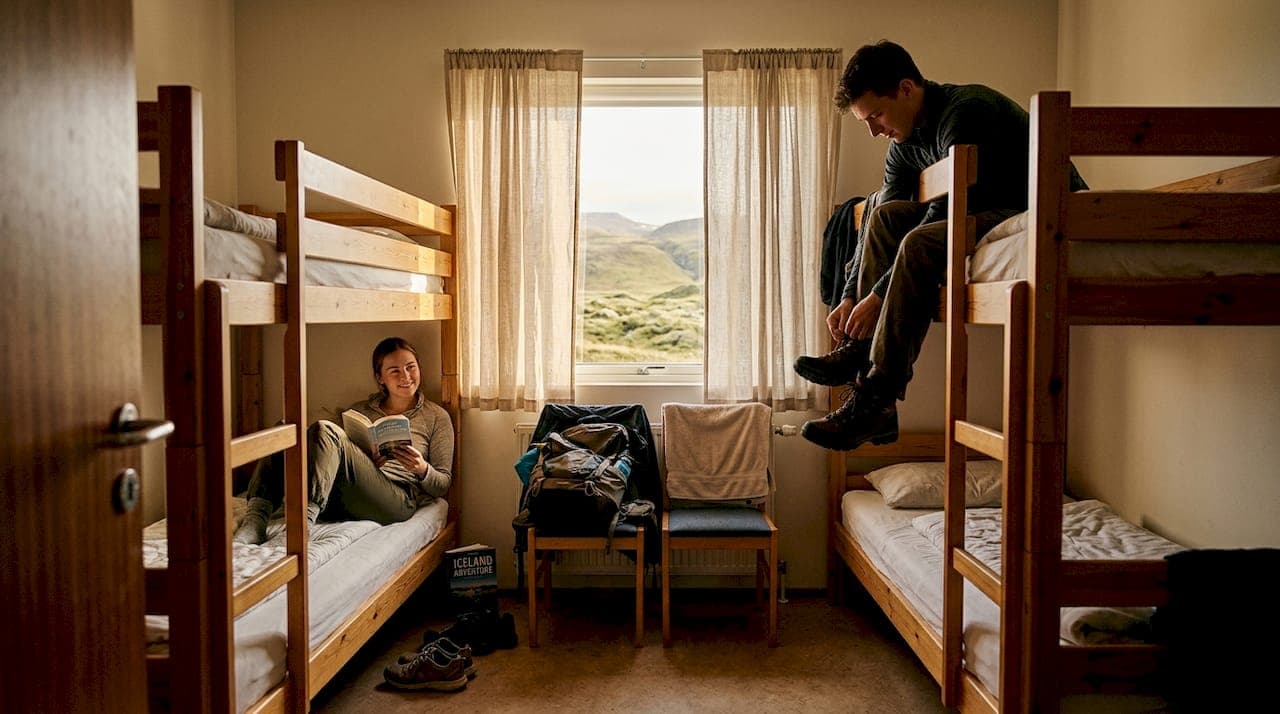
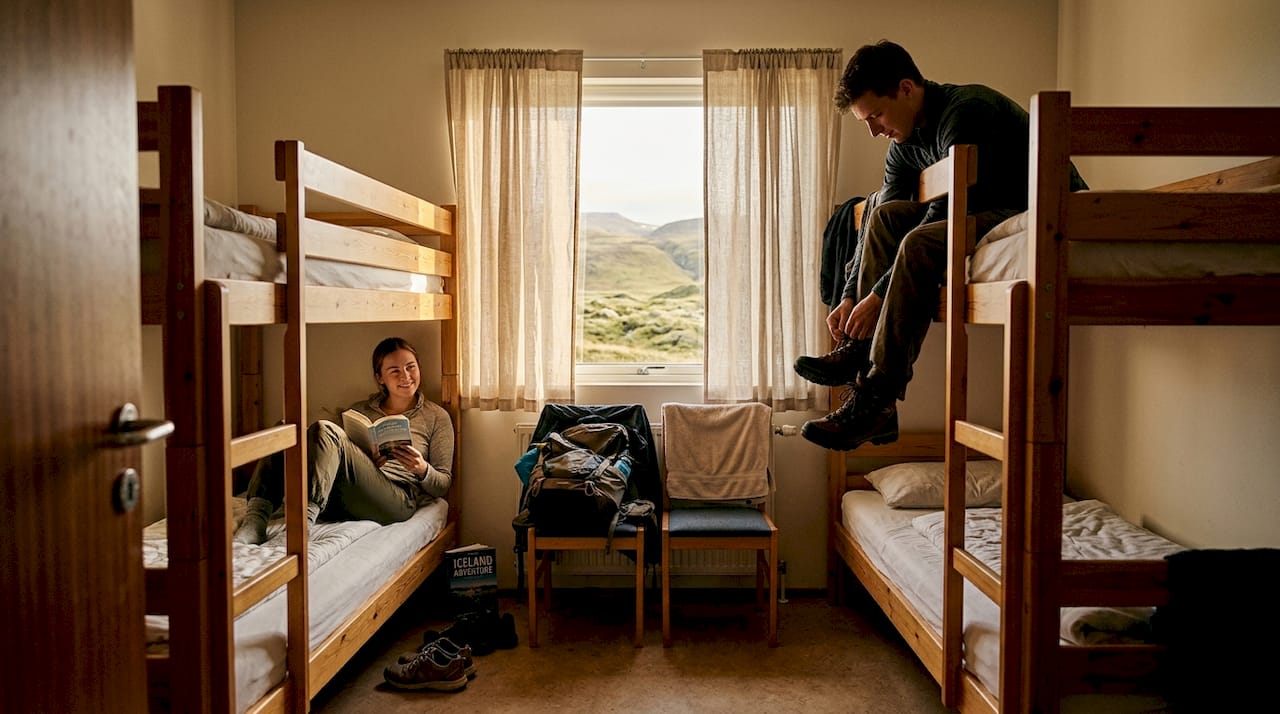
A shared hostel space is any area within a hostel that guests use together. That includes dormitory bedrooms, communal kitchens, lounges, bathrooms, and outdoor areas. The defining idea is simple: you share the cost of the facility with other travelers, so everyone pays less and gains more in return, both in money saved and in connection made.
Hostels have roots in early 20th century Germany, when educator Richard Schirrmann created the first youth hostel in 1914 to give students affordable access to the countryside. The model spread globally, but for decades it stayed firmly in the “budget backpacker” lane. That has changed dramatically. Today’s hostels serve road-trippers, remote workers, retirees, and even couples who want a social atmosphere without blowing their budget.
The self-service hostel concept takes this further by empowering guests to cook their own meals, organize their own schedules, and engage with the space on their own terms. Iceland has embraced this model wholeheartedly, and the results are some of the most memorable stays you’ll find anywhere in Europe.
Shared hostel spaces range from dormitory rooms to communal lounges and kitchens, giving travelers flexibility that a traditional hotel simply cannot match.
Here’s a quick breakdown of how shared and private hostel spaces compare:
| Feature | Shared hostel space | Private hostel room |
|---|---|---|
| Cost per night | Lower | Higher |
| Social atmosphere | High | Low to moderate |
| Privacy level | Low to moderate | High |
| Best for | Solo travelers, groups | Couples, light sleepers |
| Typical vibe | Energetic, communal | Quiet, independent |
The sweet spot for most Iceland travelers is a shared dorm with access to great communal spaces. You get the savings, the social buzz, and the base camp feel that makes exploring the South Coast so rewarding.
Essential features of shared hostel spaces
Not all hostels are equal, and knowing what to look for saves you from unpleasant surprises. The best shared hostel environments combine practical amenities with spaces that genuinely encourage connection.
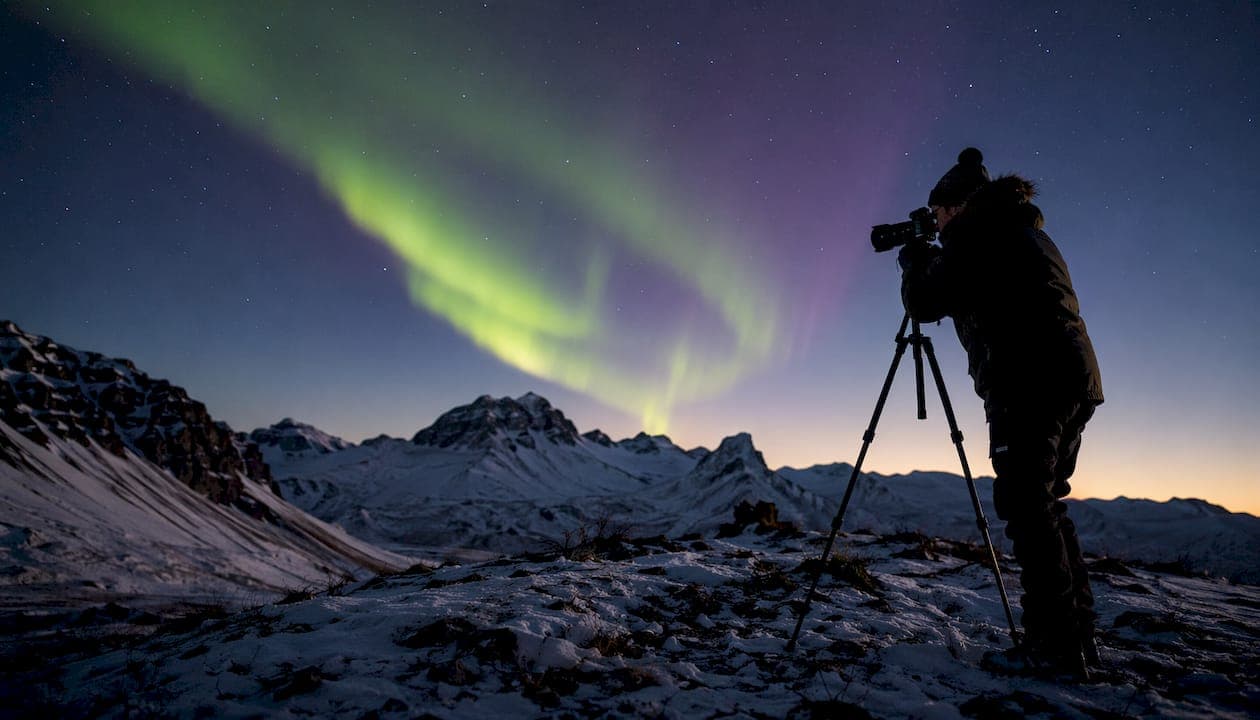
Hostel amenities in Iceland typically include social lounges, guest kitchens, and organized group events, which sets them apart from budget hotels that offer nothing beyond a bed and a bathroom. In Iceland specifically, the natural environment adds something no hotel chain can replicate: dark skies, glacier views, and the real possibility of watching the Northern Lights from a communal terrace.
Essential features to look for in a quality shared hostel:
- Fully equipped communal kitchen with pots, pans, and cooking basics
- Secure lockers for valuables in dorm rooms
- Strong WiFi throughout common areas
- Comfortable lounges with seating designed for conversation
- Clean, well-maintained shared bathrooms
- Linen and towel options (ideally included or available to rent)
- Good natural light and ventilation in dorm rooms
Now compare what a standard European hostel offers versus an Icelandic one:
| Feature | General European hostel | Icelandic hostel |
|---|---|---|
| Location highlight | City center | Nature park or coastal access |
| Unique draw | Nightlife proximity | Northern Lights, lava fields |
| Kitchen quality | Basic | Often fully equipped |
| Outdoor spaces | Rooftop or courtyard | Hot tub, glacier views |
| Group activities | Bar crawls, city tours | Hikes, glacier walks |
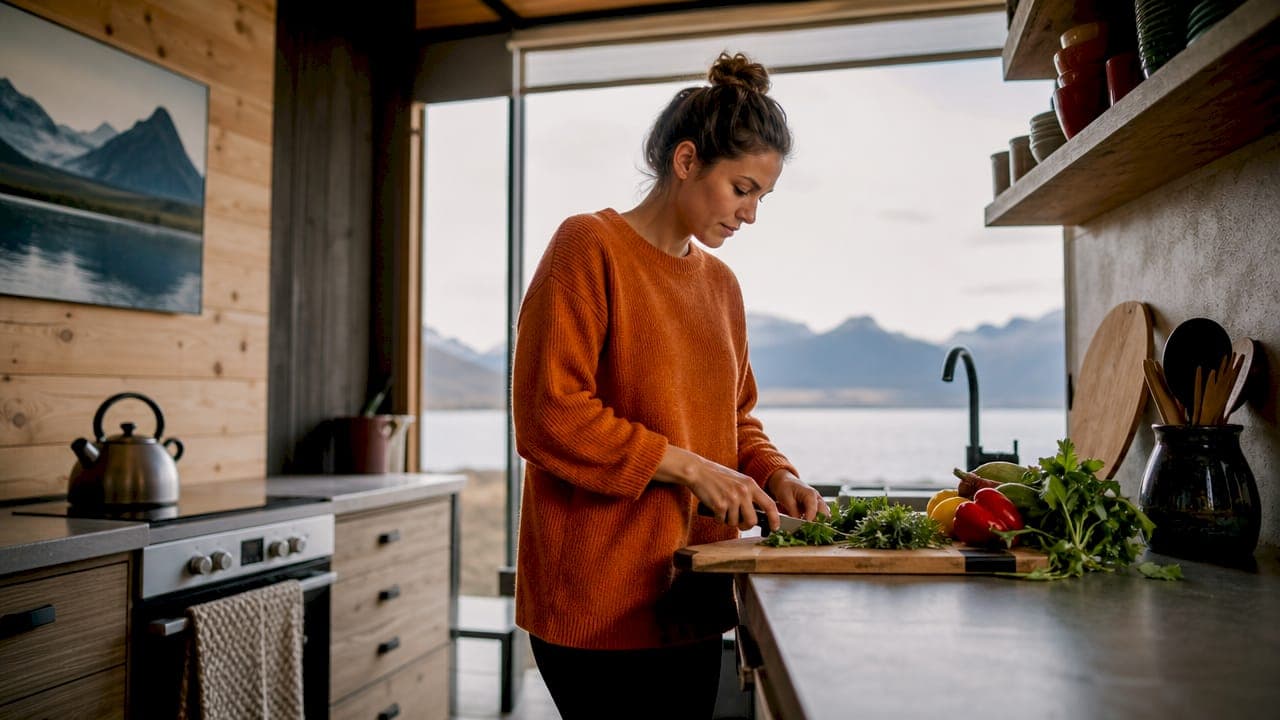
The making the most of hostel kitchens opportunity is especially valuable in Iceland, where restaurant prices are high. A well-stocked communal kitchen can save you $30 to $50 per day compared to eating out for every meal.
Pro Tip: Pack a small padlock for your locker and a quality eye mask. Even in a well-run hostel, a dorm roommate with a different sleep schedule can disrupt your rest. These two items cost almost nothing and solve the most common shared-room complaints instantly.
The community and social scene in hostels
Here’s the thing that surprises most first-time hostel guests: the social side often becomes the best part of the trip. You arrive expecting a cheap bed and leave with travel partners you’ll stay in touch with for years.
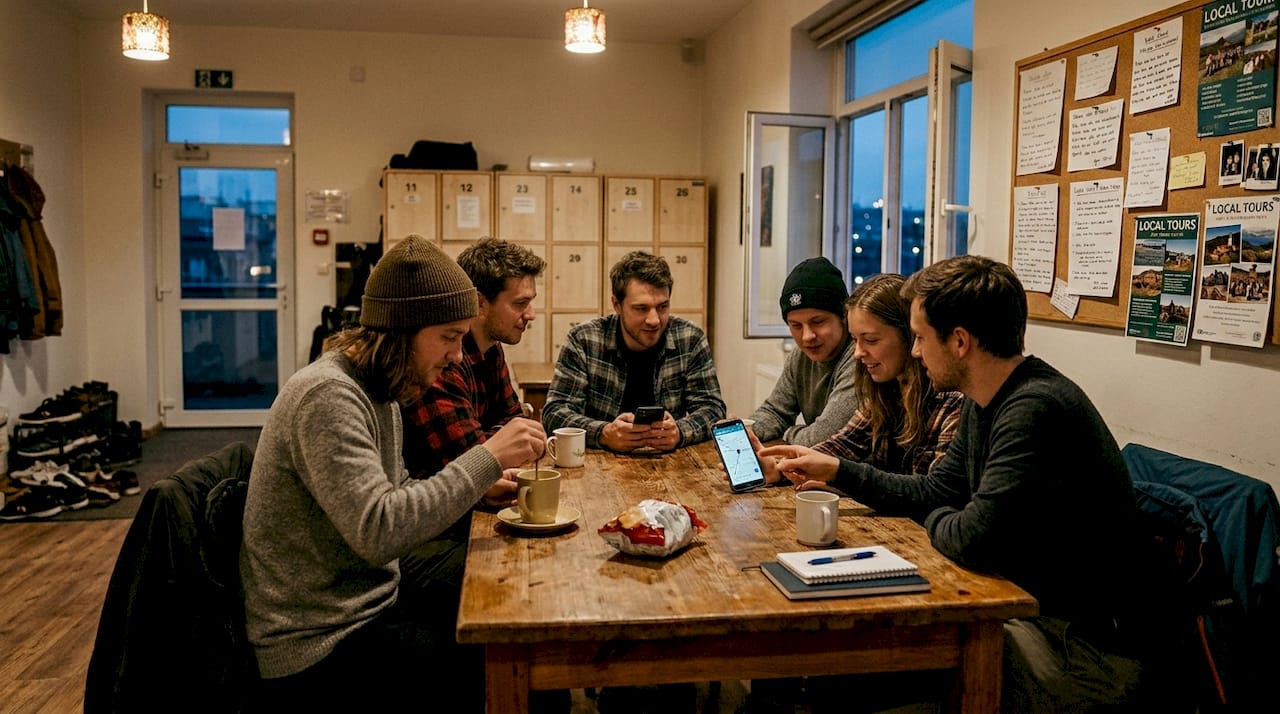
Hostels create conditions for connection that other accommodation types simply don’t. Shared meals, spontaneous conversations in the kitchen at midnight, and group activities in hostels like organized hikes or game nights turn strangers into travel companions fast. In Iceland, that camaraderie has extra stakes: if someone in your hostel just came back from a glacier hike or spotted the Northern Lights at 2 a.m., you’re going to hear about it, and you might just join them next time.
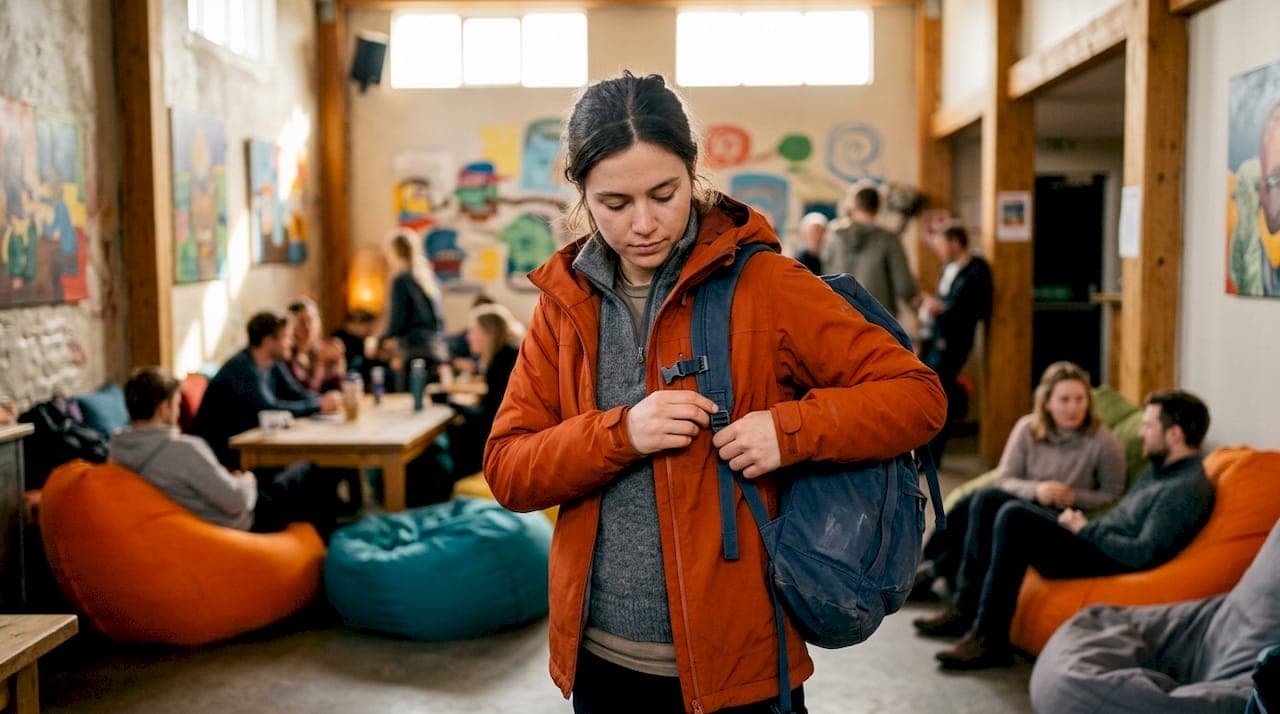
Events, communal meals, and group activities are common ways for guests to connect, and shared hostel kitchens are often the unexpected heart of that social scene. Someone starts cooking, someone else offers to share, and suddenly you have six people from four countries eating together and swapping itinerary tips.
Practical ways to connect with fellow travelers:
- Introduce yourself in the kitchen while cooking
- Ask at the front desk about organized activities or day-trip groups
- Leave your dorm room door open during downtime
- Use the common room in the evening instead of retreating to your bunk
- Post or check the hostel notice board for carpool opportunities
If you’re an introvert, this doesn’t have to feel overwhelming. The key is to show up in shared spaces without pressure. Nobody expects you to be the life of the party. Just being present in the lounge with a book or a map opens the door to organic conversation.
Pro Tip: Say yes to at least one hostel-organized activity even if it pushes you slightly outside your comfort zone. In Iceland, that activity might be a 6 a.m. sunrise hike or a late-night Northern Lights watch. Those are the moments you’ll actually remember.
Is a shared hostel space right for you?
Shared hostel spaces work brilliantly for a wide range of travelers, but they’re not perfect for everyone. Understanding where you fall on the spectrum helps you choose wisely before you book.
Solo travelers benefit the most. You arrive without a built-in social group, and the hostel fills that gap immediately. Travelers choose shared hostels for affordability, community, and convenience, and solo travelers get all three in one package. Friend groups also thrive here, especially if they’re open to meeting others and don’t need complete isolation. Adventurous couples on a budget can do well too, though they should consider private hostel room options if privacy is a priority.
Private rooms make more sense when you have a strict sleep schedule, are traveling with a baby, need quiet for remote work, or simply value personal space more than savings.
Ask yourself these questions before booking a shared or private room:
- Am I comfortable sleeping in a room with strangers?
- Is saving money more important to me than guaranteed quiet at night?
- Do I want to meet other travelers, or do I prefer independence?
- Will I be keeping unusual hours that might disturb others?
- Is this a romantic trip where privacy matters?
If most of your answers point toward connection and savings, a shared space is your match. If privacy dominates your answers, look at the room-buyout option or a private room.
| Factor | Shared space | Private room |
|---|---|---|
| Cost | Lower | Higher |
| Social opportunity | High | Low |
| Privacy | Limited | Full |
| Noise control | Variable | Better |
| Flexibility | Bed-only booking possible | Room booking required |
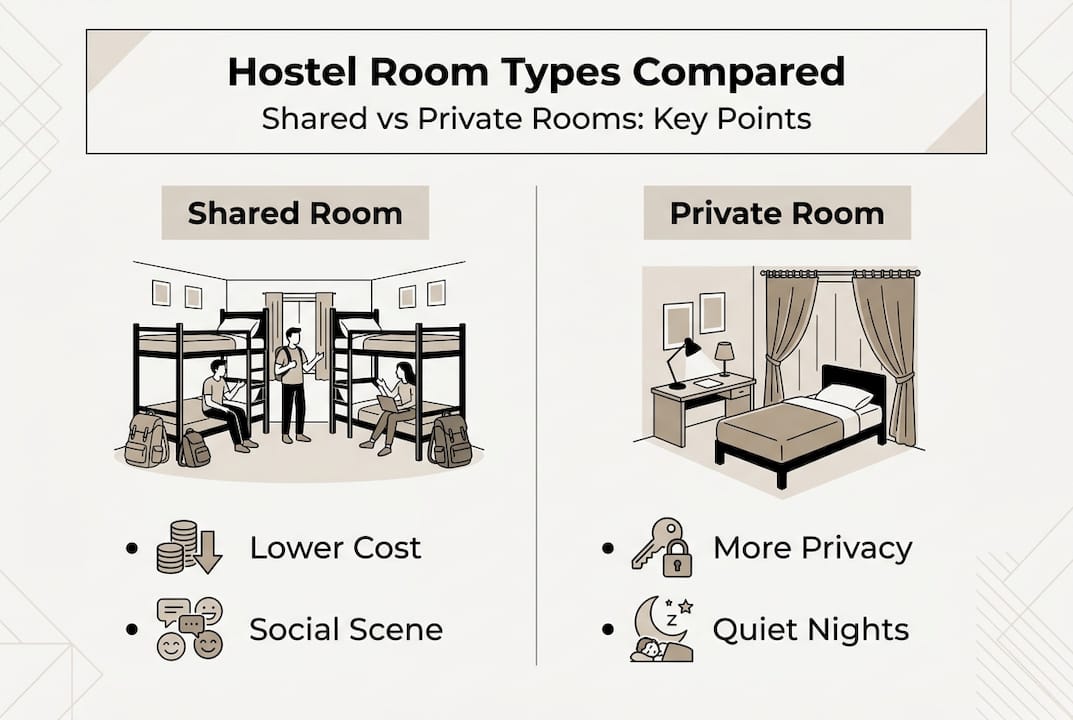
The good news is that booking shared hostel rooms in South Iceland is straightforward, and many hostels offer flexible options that let you adapt based on your travel style.
Why shared hostels are Iceland’s secret advantage — if you know what to expect
Most travel advice focuses on where to go in Iceland: the waterfalls, the glaciers, the black sand beaches. Far less attention goes to how you base yourself, and that’s where a lot of travelers quietly lose the game.
Staying at a hostel near Vík or along the South Coast isn’t just a budget move. It’s a strategic one. Hostel benefits in Iceland go well beyond cost savings. The real edge is intelligence. Hostel guests swap real-time information constantly: which roads are open, where the Northern Lights appeared last night, which waterfall had no crowds at 7 a.m. That informal network of fellow travelers is worth more than any travel blog.
There’s also something honest about the hostel vibe that Iceland rewards. This is a country built on resourcefulness, community, and respect for nature. Shared spaces mirror those values. You learn quickly to be considerate, to cooperate, and to be present. Those habits make you a better traveler in Iceland specifically, where conditions change fast and the best experiences often come from spontaneous decisions made with people you just met.
Ready for Iceland? Fox Hostel’s spaces make every krona count
Fox Hostel in South Iceland sits inside Hrífunes Nature Park, just 35 minutes east of Vík, and it puts everything described in this guide into practice. The dorm rooms are clean, social, and designed for real comfort. Solo travelers can book a single bed, while groups or couples can buy out an entire room for complete privacy without sacrificing the communal atmosphere.
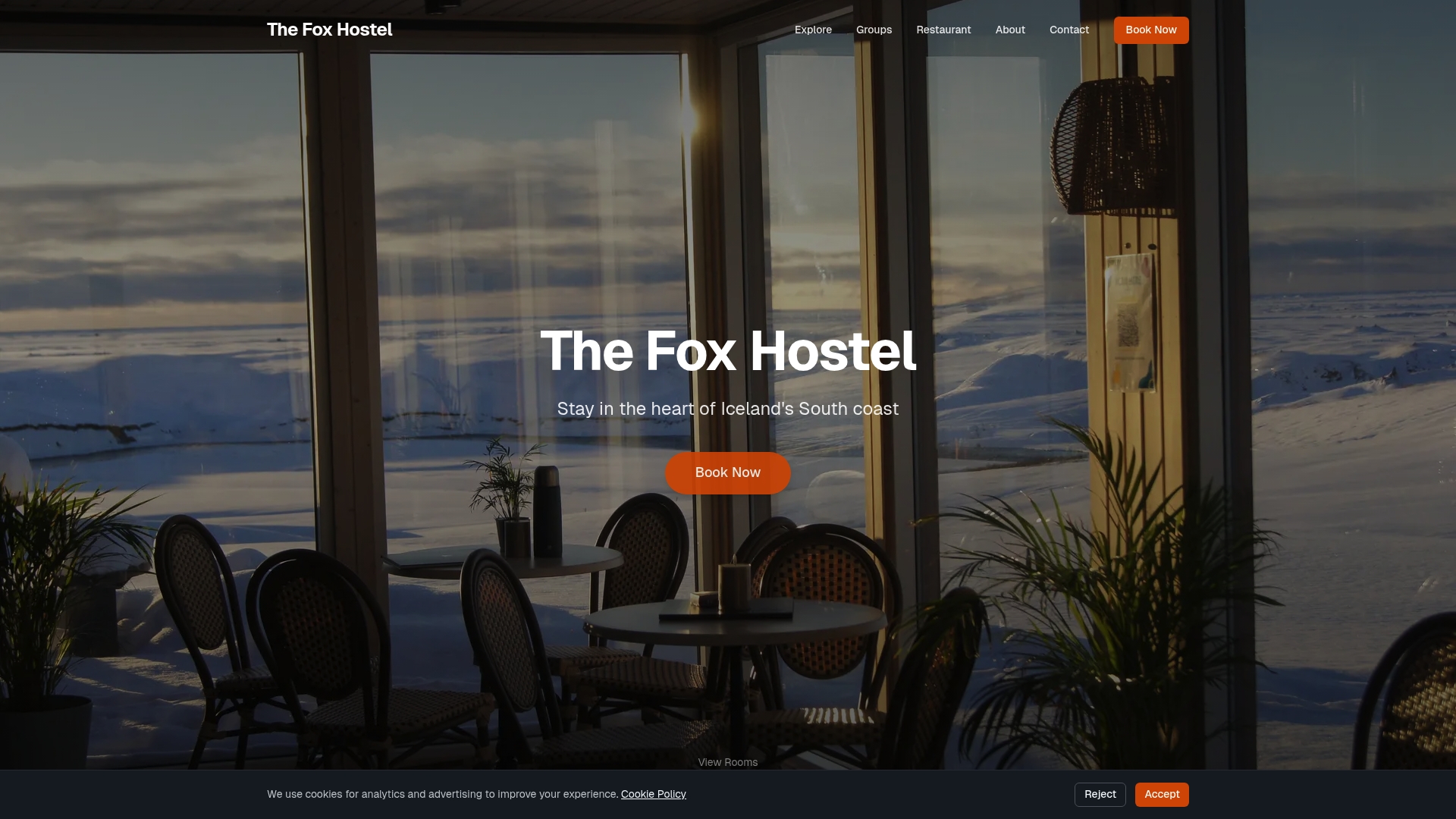
The fully equipped communal kitchen, on-site pizzeria, and dark skies ideal for Northern Lights viewing make Fox Hostel more than a place to sleep. It’s a base camp for the entire South Coast. Check the room and dorm options to find the right fit for your travel style, or explore hostel room types to understand exactly what’s available before you book.
Frequently asked questions
Are hostels in Iceland safe for solo travelers?
Yes, most Icelandic hostels prioritize security with lockers and guest safety measures, and Iceland ranks among the safest countries in the world for independent travel.
Do shared hostel rooms have age restrictions?
Most Icelandic hostels welcome adult travelers of all ages, though some set minimum age requirements. Always verify age policies by hostel before you confirm your booking.
What should I pack for a stay in a shared Icelandic hostel?
Bring a padlock, earplugs, a quick-dry towel, and warm layers. Small essentials like padlocks and earplugs solve the most common shared-room challenges before they start.
How do I book a shared hostel bed in Iceland?
Most hostels let you book directly through their website or via major booking platforms. Booking shared rooms takes just a few clicks, and many hostels offer flexible cancellation options.
Recommended
- Social hostels in Iceland: connect, explore, and save | Fox Hostel – South Iceland
- Why choose hostels on Iceland’s South Coast in 2026 | Fox Hostel – South Iceland
- Private hostel rooms: budget-friendly, social Iceland stay | Fox Hostel – South Iceland
- Discover nature hostels: budget-friendly adventure in Iceland | Fox Hostel – South Iceland
- Why backpackers prefer hostels for Greece trips
- Experience the community atmosphere in surf camps Portugal