What is a self-service hostel? Iceland's smart budget stay
What is a self-service hostel? Iceland’s smart budget stay
TL;DR:
- Self-service hostels offer keyless, flexible check-in with modern tech like smart locks.
- They provide affordable dorm rooms and communal facilities ideal for independent travelers.
- This model fosters a self-sufficient, social environment perfect for Iceland’s adventurous spirit.
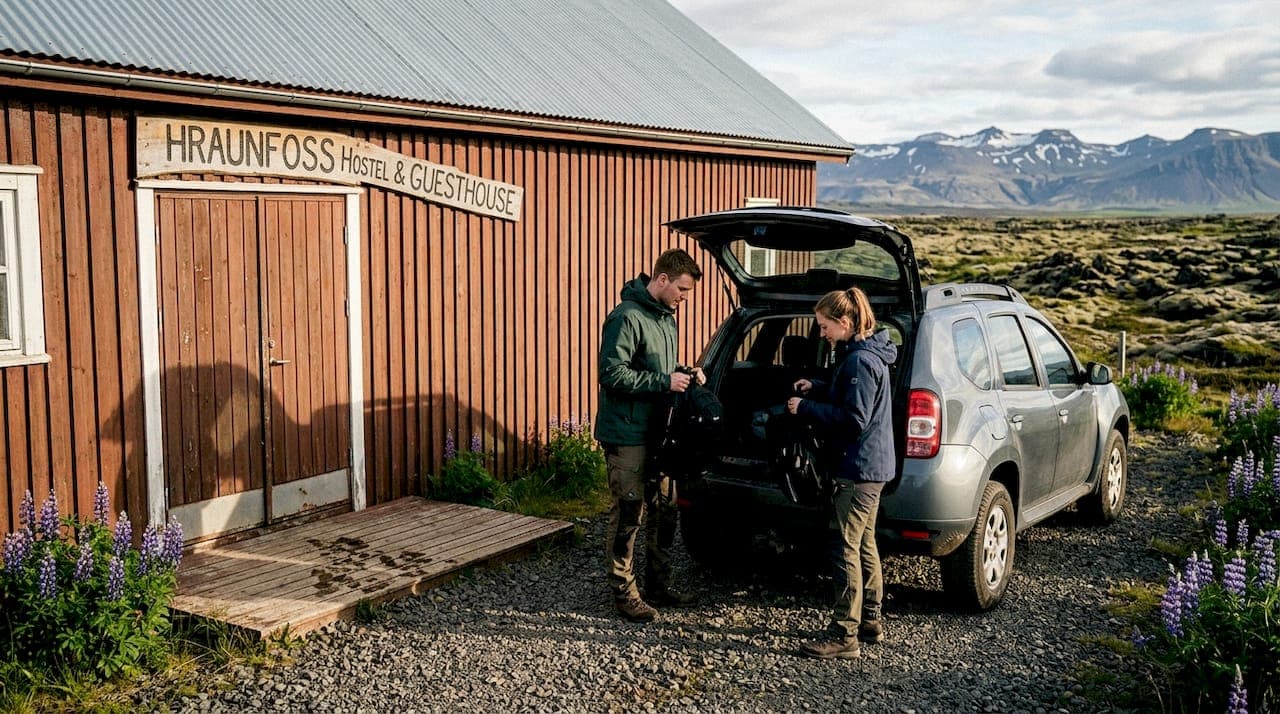
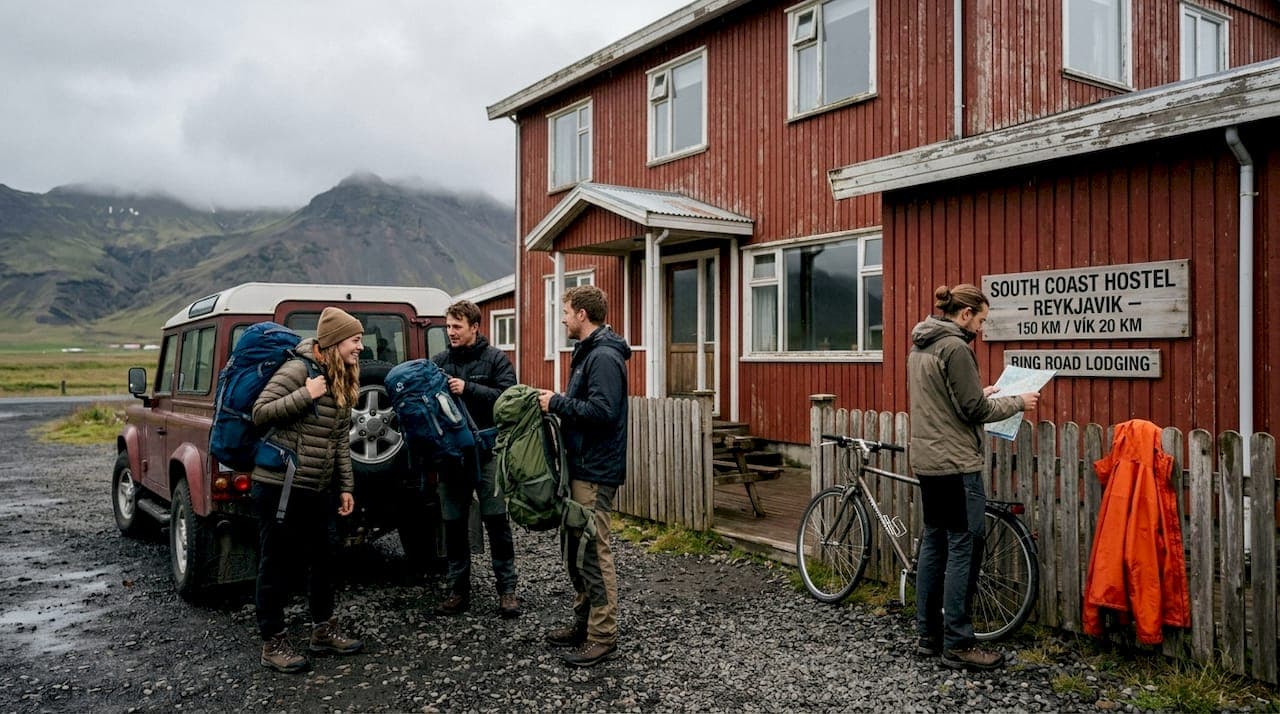
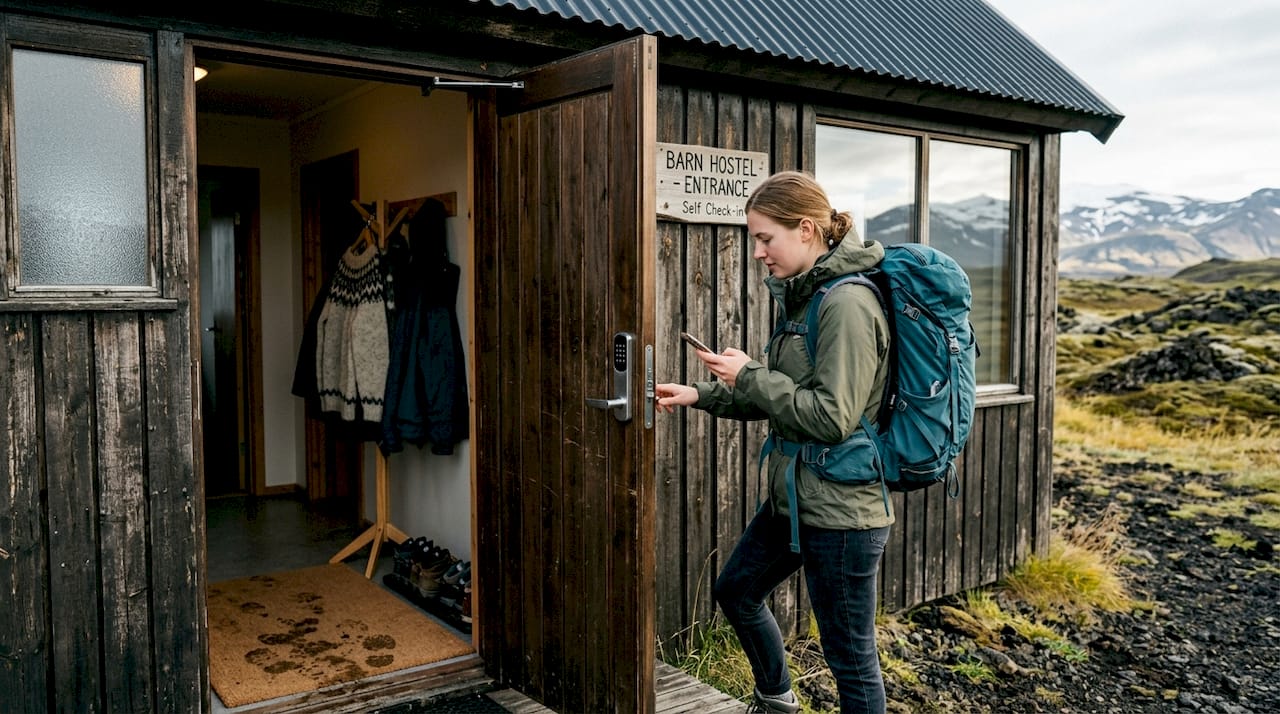
You walk up to a hostel at midnight after a long drive down Iceland’s Ring Road, and there’s no front desk, no staff, no line. Just a door, a code, and your bed waiting. If that sounds like a dream rather than a problem, you’re already the kind of traveler that self-service hostels are built for. These tech-enabled budget stays are reshaping how adventurers explore Iceland, offering independence without sacrifice. This guide breaks down exactly how they work, what to pack, and whether this model fits your travel style.
Table of Contents
- What is a self-service hostel?
- How self-service hostels operate in Iceland
- Advantages of self-service hostels for budget travelers
- Self-service vs traditional hostels: What to expect
- Our take: Why self-service hostels are changing Iceland travel
- Ready to try a self-service hostel in Iceland?
- Frequently asked questions
Key Takeaways
| Point | Details |
|---|---|
| Independent check-in | Self-service hostels use smart locks for hassle-free, staff-free access at any hour. |
| Budget and community | Guests save money on lodging while enjoying communal kitchens and shared social spaces. |
| Flexibility for explorers | Self-service hostels are perfect for travelers wanting 24/7 access and spontaneous adventure. |
| Guest responsibility | Travelers manage tasks like bed stripping, bringing padlocks, and often renting towels. |
What is a self-service hostel?
A self-service hostel is a budget accommodation where guests use technology like smart locks for check-in and check-out, select beds themselves, and use shared amenities without needing staff involvement. Think of it as a DIY hotel experience where the tools are simple, the savings are real, and the freedom is the whole point.
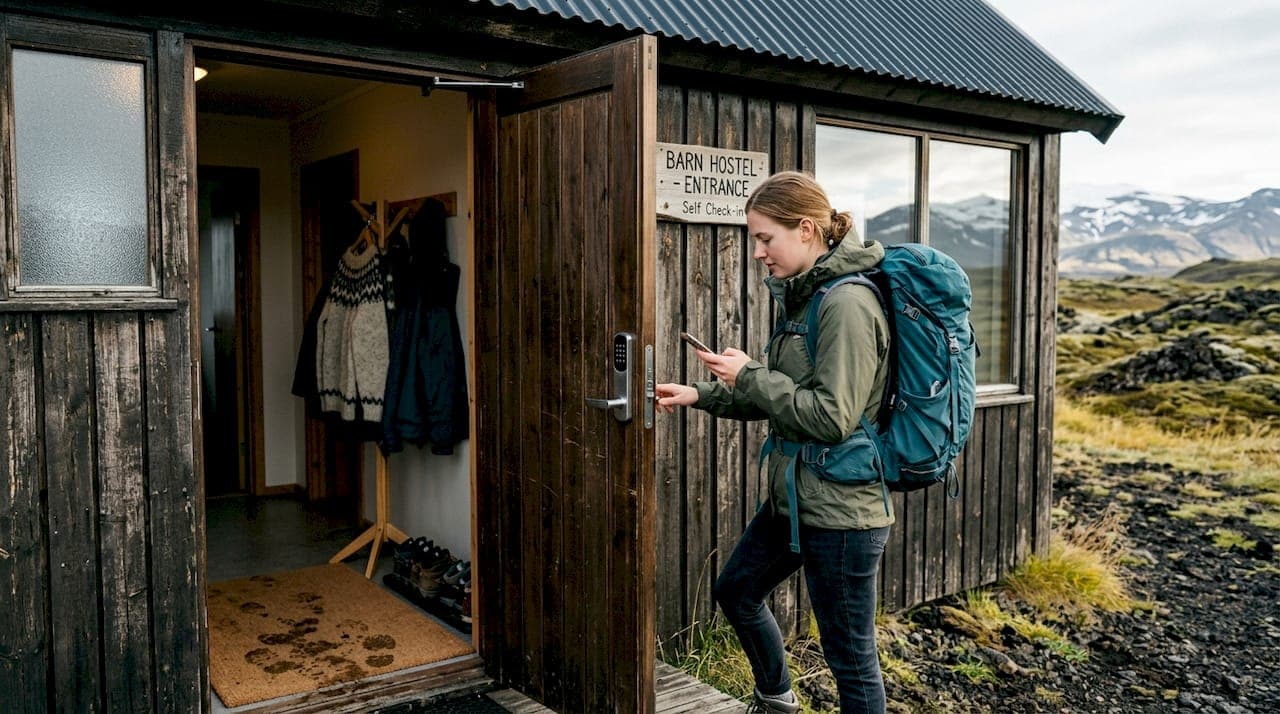
Unlike traditional hostels with a staffed reception desk, self-service hostels hand you a digital access code after booking. You arrive on your own schedule, enter your room, and settle in. No waiting, no small talk unless you want it, no front desk hours to work around.
Here’s what you’ll typically find at a self-service hostel:
- Smart lock access via a code sent to your email or phone
- Dormitory-style rooms with bunk beds and shared bathrooms
- Communal kitchen fully stocked with appliances for cooking your own meals
- Public lockers for securing valuables (bring your own padlock)
- Towel rental available on-site or at a nearby point of contact
- Self check-out by a set time, usually 11am
The financial logic is straightforward. By removing the cost of round-the-clock staffing, these hostels pass savings directly to guests. You get a clean, functional space at a fraction of hotel prices. For budget travelers exploring hostel travel basics, this model is increasingly the preferred choice across Iceland’s South Coast.
The hostel dining options at well-run properties go far beyond a microwave and a kettle. A proper communal kitchen lets you cook full meals, which cuts your daily food spend dramatically on longer trips.
Pro Tip: Your arrival time is completely flexible at most self-service hostels. No need to rush to beat front desk closing hours. Just confirm your check-in window (usually from 3pm) and plan your drive accordingly.
This model suits independent travelers who know what they need, value their time, and don’t want to pay for services they won’t use.
How self-service hostels operate in Iceland
Understanding the steps and rules helps you prepare for your Iceland hostel adventure. The process is simpler than it sounds, and once you’ve done it once, it feels completely natural.
Here’s how a typical self-service hostel stay unfolds:
- Book online and receive a confirmation with your entry code
- Receive your smart lock code via email before arrival
- Arrive at the hostel any time after the standard check-in hour (usually 3pm)
- Enter the building and your room using the code on the smart lock
- Choose your bed if it hasn’t been pre-assigned
- Use shared facilities including the kitchen, lounge, and bathrooms
- Strip your bedding before checkout as part of standard guest responsibility
- Check out by 11am and ensure your locker is cleared
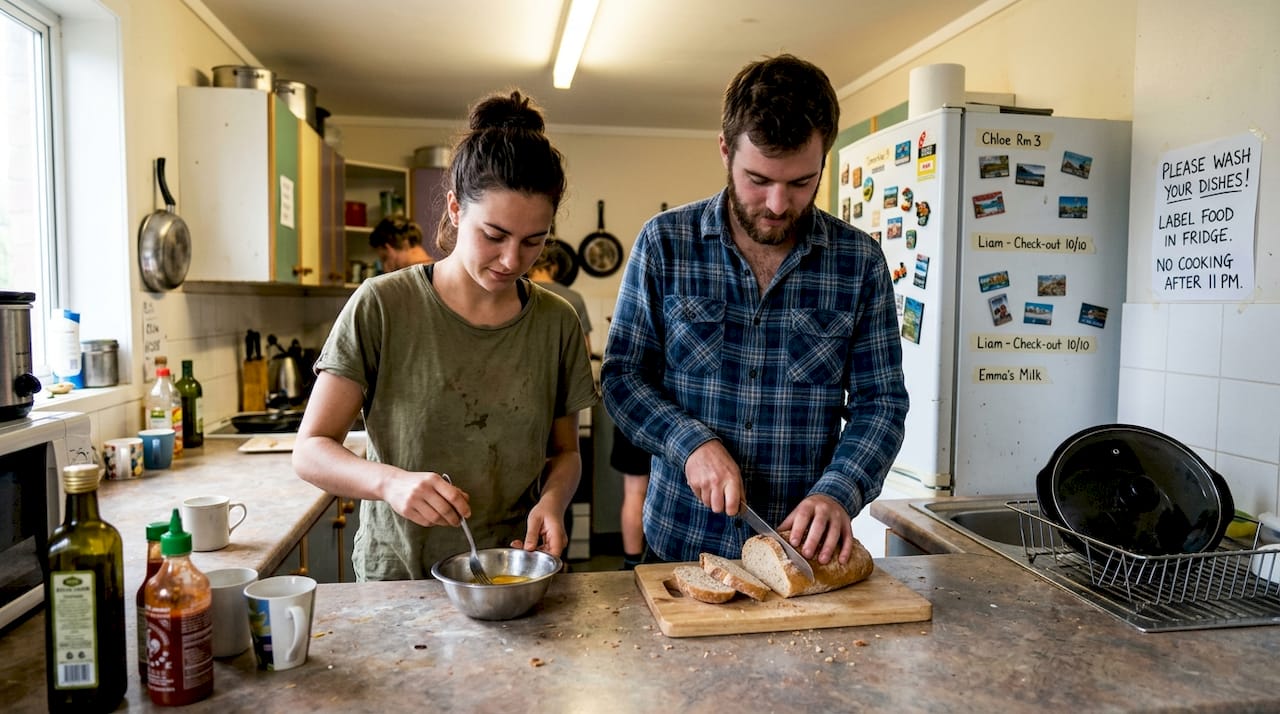
The mechanics of self-service stays are built around guest responsibility. Codes are sent for smart locks, there’s no staff at check-in, check-in starts from 3pm, checkout is before 11am, towel rentals are available, and guests bring their own padlock.
Here’s a quick overview of what’s typically provided versus what you handle yourself:
| Provided by the hostel | Guest responsibility |
|---|---|
| Smart lock access codes | Bringing your own padlock |
| Bedding and pillows | Stripping beds before checkout |
| Communal kitchen equipment | Washing your own dishes |
| Towel rental option | Packing your own towel to save money |
| Parking and common areas | Securing your own valuables |
For a deeper breakdown of what to expect, the self-service hostel guide is a useful starting point before your first trip.
The amenities at Fox Hostel show how far this model has evolved. A massive communal kitchen, on-site pizzeria, and open skies for Northern Lights viewing make self-service feel anything but bare-bones.
Pro Tip: Pack efficiently and arrive early in high season. Public lockers fill up fast during summer, and securing one early means peace of mind for the rest of your stay.
Advantages of self-service hostels for budget travelers
With these perks in mind, how do self-service hostels stack up to traditional ones? The answer depends on what you value, but for adventure-focused travelers, the case is strong.
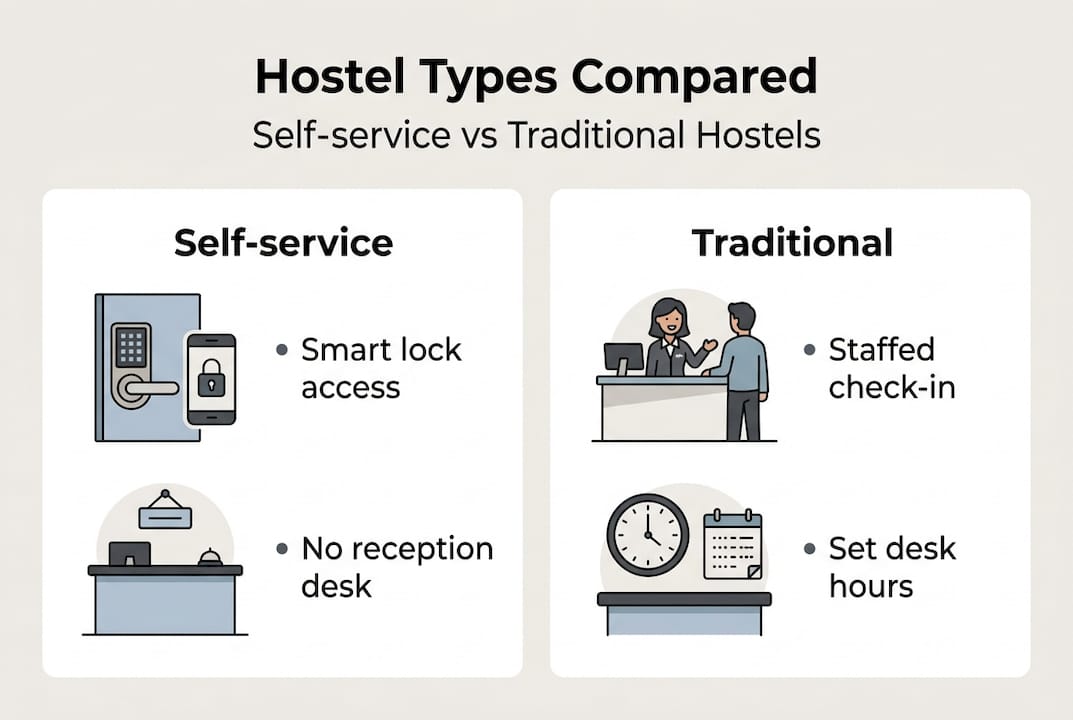
The lower costs of the self-service model come from communal facilities that reduce operating expenses, and the social setup naturally fosters community for adventure planning. You’re sharing a kitchen with people who just hiked the same glacier. That’s not an inconvenience. That’s a built-in travel network.
Here are the core benefits budget travelers consistently highlight:
- Lower nightly rates compared to staffed hostels and guesthouses
- 24/7 access that fits unpredictable Icelandic weather and road conditions
- Communal kitchen that slashes daily food costs by letting you cook
- Flexible arrival without desk hours or check-in anxiety
- Social atmosphere that connects solo travelers with like-minded adventurers
- Proximity to nature since many self-service hostels sit in rural, scenic locations
“The self-service hostel model reduces overhead dramatically, and those savings flow directly to guests. For travelers who want to spend more on experiences and less on beds, it’s a logical choice.”
Iceland’s hostel trends show a clear shift toward tech-enabled, community-first accommodation. Travelers want flexibility, not formality.
The social hostel community aspect is genuinely underrated. When you’re planning a last-minute trip to Jökulsárlón Glacier Lagoon and someone in the kitchen just drove back from there, that local knowledge is worth more than any guidebook.
For practical money-saving strategies beyond your accommodation, the affordable travel tips on the Fox Hostel journal cover everything from grocery runs to free hiking routes.
Self-service vs traditional hostels: What to expect
Understanding both models helps you make the best choice for your travel style. Neither is universally better. They serve different kinds of travelers.
| Feature | Self-service hostel | Traditional hostel |
|---|---|---|
| Reception desk | None | Staffed, set hours |
| Check-in process | Smart lock code | In-person with staff |
| Guest tasks | Bed stripping, dishes | Minimal |
| Cost | Lower | Slightly higher |
| Atmosphere | Independent, social | Guided, social |
| Access hours | 24/7 | Restricted in some cases |
Traditional hostels have staff and full service, while self-service hostels cut costs but require guest responsibility, like cleaning and securing belongings. That trade-off is the core of the decision.
Here’s who tends to love each model:
- Self-service hostel fans: Solo road-trippers, budget backpackers, nature photographers chasing dawn light, travelers with unpredictable schedules
- Traditional hostel fans: First-time hostel guests, travelers who want recommendations from staff, those who prefer a guided social environment
- Either works for: Groups booking a full room, couples wanting privacy on a budget, short-stay travelers passing through
The biggest challenge with self-service stays is storage. Lockers are shared and limited, so if you’re carrying a large pack, plan accordingly. Self-reliance is the other factor. If something feels unclear, you’ll need to solve it yourself or reach out via email rather than walking to a desk.
For a deeper look at what shapes a good hostel choice on Iceland’s South Coast, the hostel choice factors guide is worth reading before you book. You can also compare real properties at hostel experience comparison resources to see how facilities differ.
Our take: Why self-service hostels are changing Iceland travel
Here’s something the standard hostel comparison articles won’t tell you: the absence of staff isn’t a limitation. It’s a design choice that attracts a specific kind of traveler and repels another. And that filtering is actually what makes the experience better.
When everyone in a self-service hostel has chosen that model intentionally, the vibe shifts. You’re surrounded by people who are self-sufficient, curious, and genuinely there for the adventure. That’s not an accident. It’s the result of a model that quietly selects for it.
Iceland’s weather and terrain demand flexibility. A road closes. A volcano rumbles. The Northern Lights appear at 2am. A self-service hostel doesn’t care what time you come back. It doesn’t judge your muddy boots or your 4am departure. That freedom is genuinely valuable in a country where nature runs the schedule.
The myth that fewer staff means less safety or comfort falls apart quickly when you look at the numbers. Properties built around smart lock systems, secure lockers, and well-maintained shared spaces consistently earn high traveler ratings. Comfort comes from good design, not a staffed desk.
Pro Tip: Ask at the hostel or check community boards and WhatsApp groups for last-minute adventure ideas. Fellow guests often have real-time trail conditions and tips that no app can match.
For travelers drawn to nature hostels in Iceland, the self-service model isn’t a compromise. It’s the right tool for the terrain.
Ready to try a self-service hostel in Iceland?
Fox Hostel brings everything this model does well into one beautifully converted Icelandic barn in Hrífunes Nature Park, just 35 minutes east of Vík. Tech-enabled access, a massive communal kitchen, an on-site pizzeria, and dark skies built for Northern Lights viewing make it a genuinely exciting base for South Coast exploration.
Whether you’re a solo traveler booking a single bed or a group looking to see room options and buy out an entire dorm for privacy, the flexibility is built in. Positioned midway between Vík and Kirkjubæjarklaustur, Fox Hostel puts Vatnajökull National Park and Jökulsárlón Glacier Lagoon within striking distance. Read more about the nature hostel benefits or go ahead and book Fox Hostel to lock in your South Iceland adventure.
Frequently asked questions
Do self-service hostels in Iceland have staff on site?
Most self-service hostels do not have reception staff and guests use smart locks for access, making 24/7 check-in possible without any in-person interaction.
What should I bring to a self-service hostel in Iceland?
Bring a padlock for personal lockers and your own towel to avoid rental fees, since towels can be rented but packing one saves money on longer trips.
How do I check in to a self-service hostel?
After booking, you’ll receive a code for the smart lock that gives you access to the building and your room from the standard check-in time, usually 3pm.
Are self-service hostels safe for solo travelers?
Yes, properties use secure smart lock codes and personal lockers, and top-rated options like Nordic Hostel score 9.4 out of 10 on Booking.com for guest satisfaction and safety.
Recommended
- Social hostels in Iceland: connect, explore, and save | Fox Hostel – South Iceland
- Why choose hostels on Iceland’s South Coast in 2026 | Fox Hostel – South Iceland
- Discover nature hostels: budget-friendly adventure in Iceland | Fox Hostel – South Iceland
- Travel Iceland on a budget: smart tips for affordable adventure | Fox Hostel – South Iceland