The Role of Local Guides in Travel: 2026 Guide
The Role of Local Guides in Travel: 2026 Guide
TL;DR:
- Local guides foster genuine human connections by interpreting customs and managing logistics. They improve safety, streamline travel, and support local economies through referrals and guiding fees. Choosing trustworthy guides based on personal referrals enhances the authenticity, safety, and community impact of travel experiences.
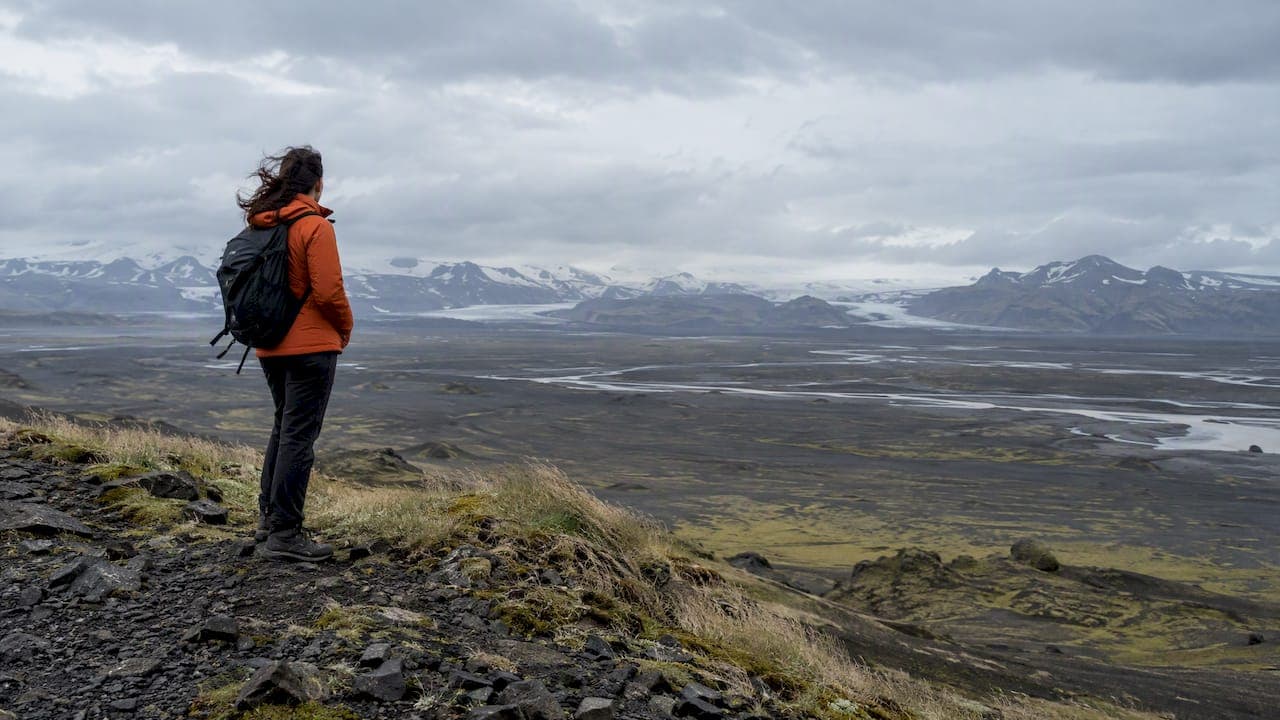
Local guides are defined as professional cultural interpreters who transform travel from passive sightseeing into genuine human connection. The role of local guides in travel goes far beyond pointing out landmarks. They decode customs, manage logistics, protect travelers in unfamiliar terrain, and channel money directly into local communities. Whether you are a solo traveler crossing Iceland’s South Coast or a family navigating a crowded medina, a skilled local guide changes what you experience and how deeply you understand it. This guide covers the cultural, practical, economic, and ethical dimensions of working with local guides so you can make smarter choices on your next trip.
What is the role of local guides in travel?
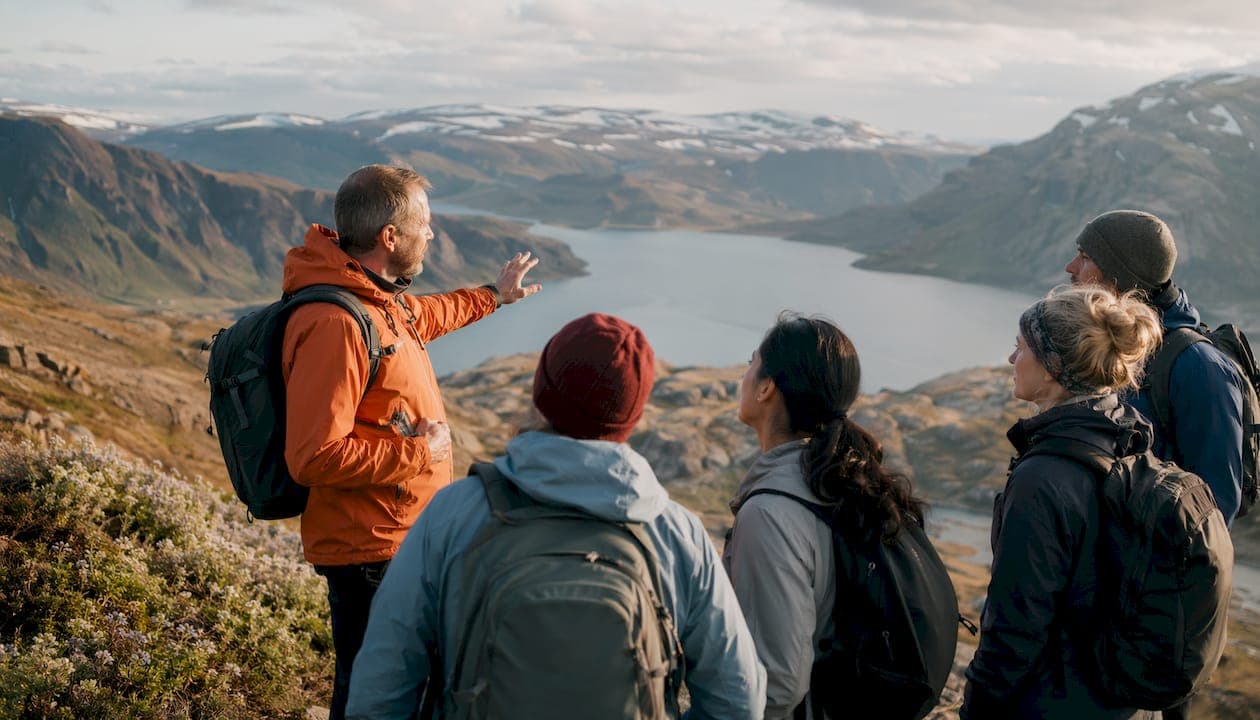
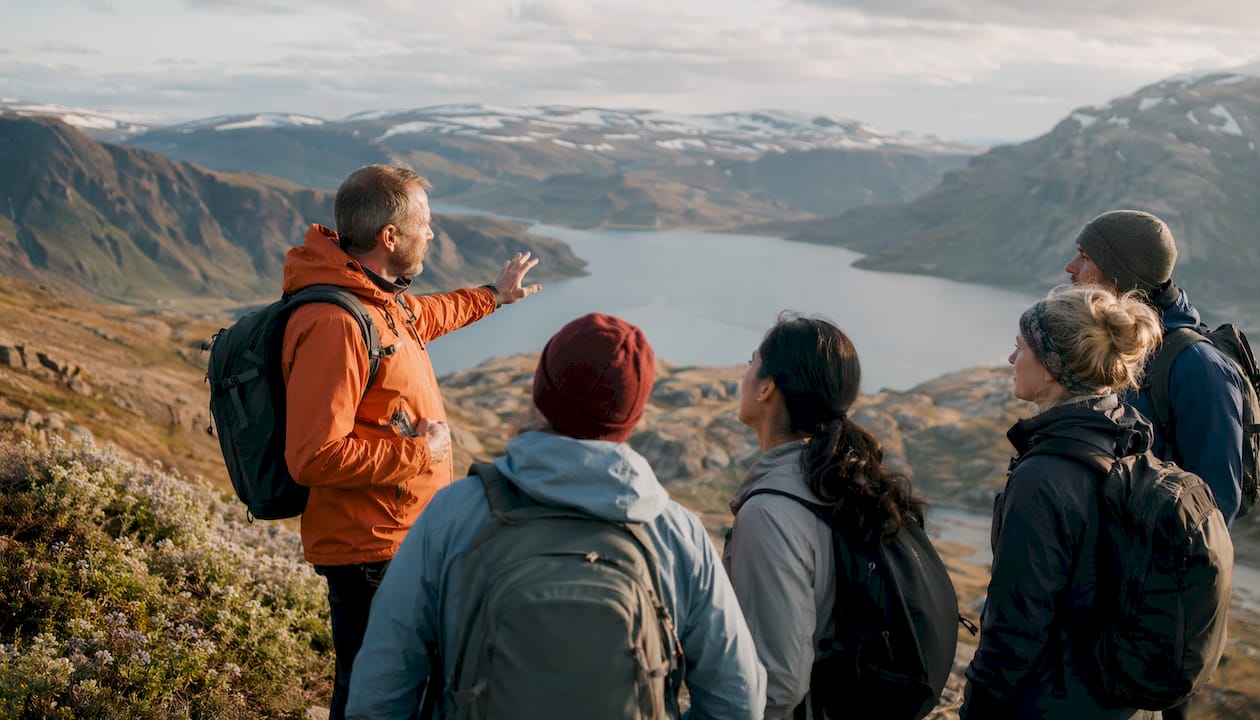
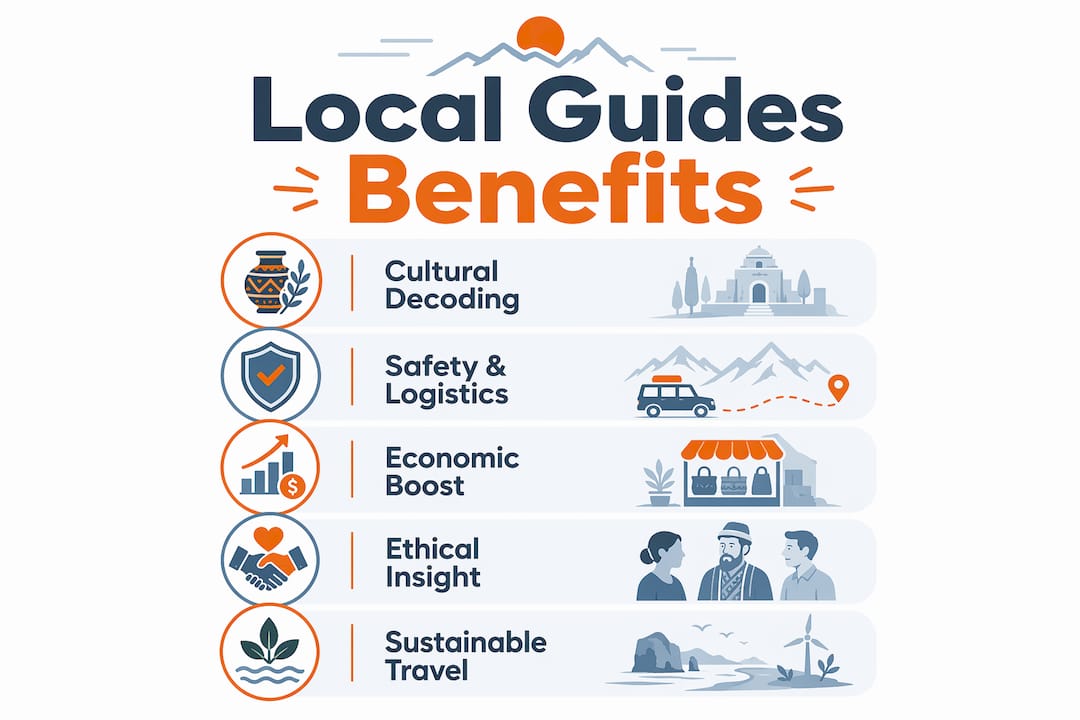
Local guides function as cultural decoders, interpreting rituals, social norms, and unspoken rules that no guidebook captures. That function transforms travel from superficial observation into real cultural participation. A traveler watching a ceremony without context sees a performance. A traveler with a knowledgeable guide beside them understands the meaning, the history, and the appropriate way to engage.
Good guides do more than explain. They tell personal stories that connect a place’s past to its present. They introduce you to the grandmother who still weaves traditional textiles, the fisherman who remembers when the harbor looked different, the neighborhood that tourists never find because no map marks it. These encounters are not accidental. They are the result of years of relationship-building by guides who live where you are visiting.
The concept of “glocalization” describes how guides balance authenticity with visitor expectations. Guides adapt their storytelling to what travelers can absorb without stripping away cultural truth. That balance is a skill. When it tips too far toward entertainment, it becomes “folklorization,” a process where culture gets simplified and packaged for easy consumption. The best guides resist that pressure and push travelers toward genuine understanding instead.
- Local guides explain customs and social etiquette that prevent accidental offense
- They provide personal narratives that go beyond what any travel app delivers
- They connect travelers to local artisans, chefs, and community members
- They translate not just language but meaning, tone, and context
Pro Tip: Before booking, ask a potential guide to describe one story they love telling about their home. A guide who lights up answering that question will deliver a far richer experience than one who recites a rehearsed script.
How do local guides improve safety and trip logistics?
Professional local guides are among the most effective tools for risk mitigation in travel, cutting wasted time on complex logistics by a significant margin. That matters most in remote areas, high-traffic cities, and destinations where language barriers create real friction. A guide who knows the local transit system, speaks the language, and has relationships with venue staff removes hours of confusion from your day.
The practical benefits stack up fast. Here is what a skilled guide handles that most travelers underestimate:
- Ticket and access management. Guides secure timed entries, skip queues, and know which sites require advance booking months out.
- Transportation coordination. They know which routes are reliable, which drivers are trustworthy, and how to pivot when a connection falls through.
- Real-time itinerary adaptation. Local guides act as crisis managers on the road, adjusting plans instantly when weather closes a trail or a ferry runs late.
- Medical and emergency contacts. In unfamiliar regions, a guide knows the nearest clinic, the local emergency number, and how to communicate your needs clearly.
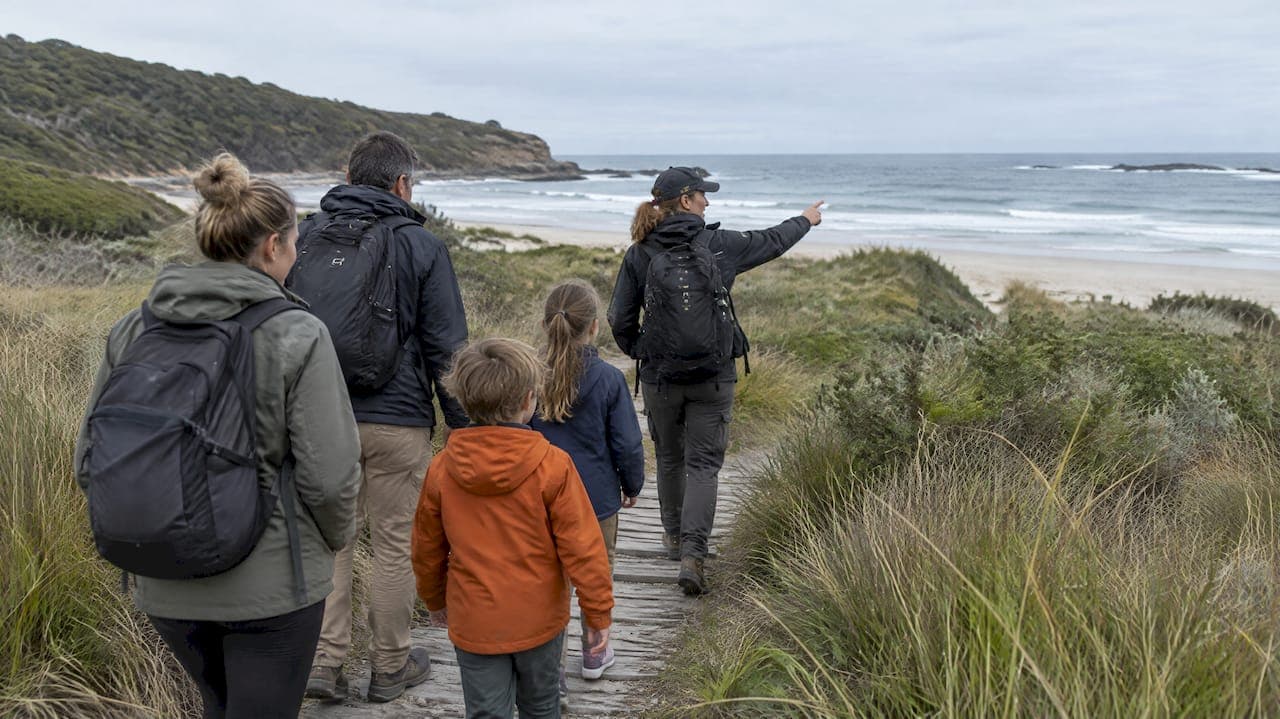
- Solo traveler and family safety. Guides provide a trusted point of contact, especially valuable for solo travelers in remote destinations or families with young children.
That adaptability is the quality that separates a good guide from a great one. Storytelling is valuable. Knowing what to do when a glacier hike gets canceled due to ice conditions is what keeps your trip on track.
Pro Tip: Share your full itinerary with your guide at least a week before arrival. Pre-trip communication allows them to tailor the experience to your interests and flag any logistical issues before they become problems.
What economic impact do local guides have on communities?
Hiring a local guide is one of the most direct ways to put money into the hands of people who live in the places you visit. Local guides stimulate local economies by creating employment and steering visitors toward local restaurants, artisan shops, and family-run businesses. That revenue stays in the community rather than flowing to international booking platforms or large tour operators.
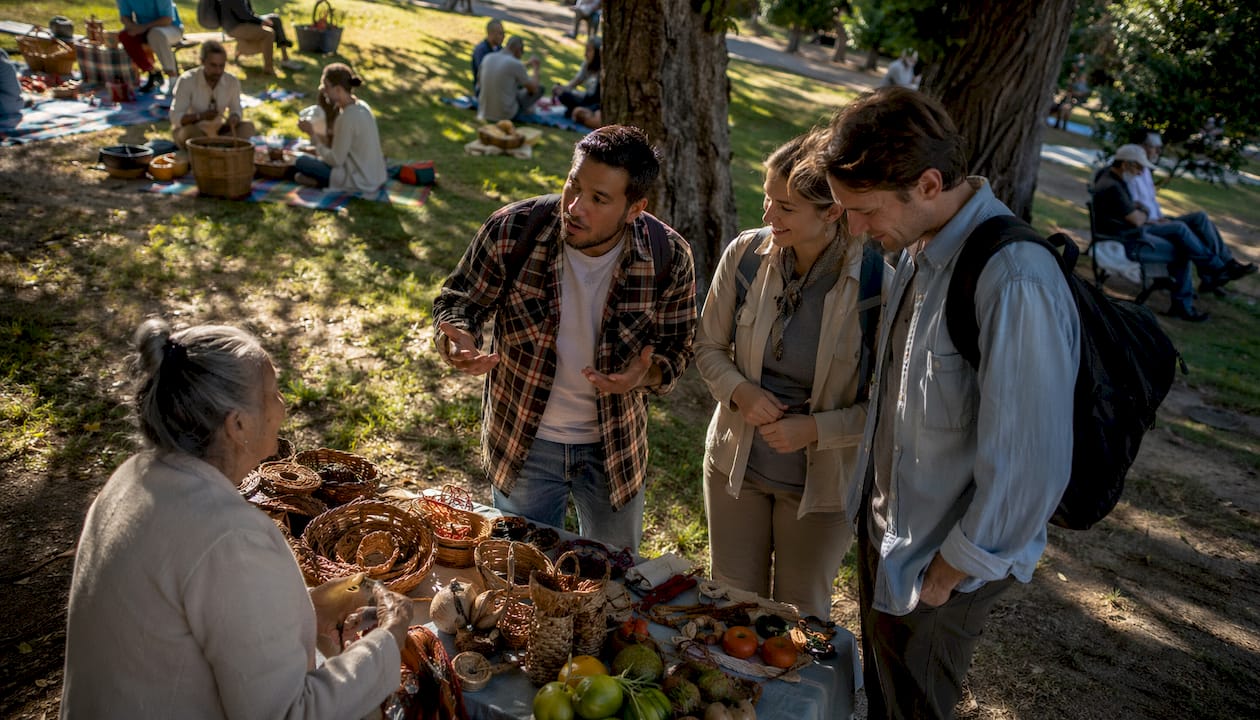
The impact extends beyond the guide’s own income. When a guide recommends a specific bakery, a weaver’s workshop, or a small guesthouse, those businesses gain customers they would never reach through standard tourism channels. Research on sustainable tourism projects confirms that hiring local guides creates measurable benefits within three years, including job creation, community empowerment, and preservation of natural and cultural heritage.
| Benefit | Community outcome |
|---|---|
| Direct guide income | Supports local families and reduces economic migration |
| Referrals to local businesses | Increases revenue for restaurants, shops, and artisans |
| Cultural preservation | Keeps traditions alive through storytelling and visitor engagement |
| Environmental stewardship | Guides enforce responsible behavior in sensitive natural areas |
- Travelers who use local guides spend more at locally owned businesses
- Community-led tourism projects report stronger long-term outcomes than externally managed ones
- Guides who live in an area have a personal stake in protecting it from overtourism
Understanding the impact of local guides on tourism at the community level changes how you think about the fee you pay. It is not just a service charge. It is an investment in the place you came to experience.
What ethical challenges should travelers know about?
Not every guide operates with the same priorities. Commercial pressures can cause guides to receive commissions from shops or restaurants, which biases their recommendations and erodes the trust that makes a guide valuable. A guide who steers you to a specific jewelry store because they earn a cut of your purchase is not serving your interests. They are serving their own.
The solution is not to distrust all guides. It is to vet them carefully before you commit.
- Use personal referrals. The most reliable method for finding trustworthy guides is referrals from hotels, travel advisors, or local tourism boards, not online reviews alone. Reviews can be gamed. A recommendation from a trusted source carries real accountability.
- Ask direct questions. Ask whether the guide receives commissions from any businesses on the itinerary. A trustworthy guide will answer honestly and explain the relationship.
- Check credentials. Many destinations have licensed guide associations with standards for training and conduct. A licensed guide has passed a bar that unlicensed operators have not.
- Assess communication quality. Guides who communicate clearly and show genuine passion for their subject are far more likely to deliver an authentic experience than those who respond with vague, templated answers.
Pro Tip: Ask your guide to recommend a restaurant they personally eat at, not one they take tourists to. The answer tells you immediately whether their recommendations are personal or commercial.
Key Takeaways
Local guides are the single most effective way to move from tourist to participant in any destination, but their value depends entirely on how well you choose and prepare.
| Point | Details |
|---|---|
| Cultural decoding | Local guides interpret customs and social norms that transform observation into genuine engagement. |
| Logistics and safety | Skilled guides cut wasted time significantly and adapt itineraries when conditions change. |
| Economic impact | Guide fees and referrals keep money inside local communities and support small businesses. |
| Vetting matters | Personal referrals from hotels or tourism boards are more reliable than online reviews alone. |
| Pre-trip communication | Sharing your interests before arrival turns a standard tour into a personalized experience. |
What I’ve learned from watching guides work
I have spent years watching travelers interact with guides across very different destinations, and the pattern is consistent. The travelers who get the most out of a guide are the ones who treat the relationship as a conversation, not a transaction. They ask questions. They share what they care about. They push back when something feels scripted.
The guides who deliver the most are not always the most credentialed. They are the ones who are genuinely curious about the people they are showing around. I have seen a licensed guide in a major European city deliver a technically accurate but completely lifeless tour. I have also seen an informal guide in a small Icelandic village turn a two-hour walk into something travelers talked about for the rest of their trip. The difference was not knowledge. It was investment.
What I find underappreciated is the crisis management role. Most travelers think of guides as storytellers. The real test comes when the weather turns, the road closes, or the booking falls through. A guide who stays calm, has backup options, and communicates clearly in that moment is worth every dollar of their fee. That skill is what separates a truly effective guide from someone who simply knows a lot of facts.
My practical advice: spend 15 minutes on a call with a potential guide before you book. Ask them about a time something went wrong on a tour and how they handled it. The answer will tell you more than any review.
— Siggi
Fox Hostel: your base for South Iceland exploration
South Iceland rewards travelers who go deep, not just fast. Fox Hostel sits in Hrífunes Nature Park, 35 minutes east of Vík, placing you within reach of Reynisfjara Black Sand Beach, Dyrhólaey, Vatnajökull National Park, and Jökulsárlón Glacier Lagoon. The team at Fox Hostel connects guests with vetted local guides who know the South Coast’s terrain, weather patterns, and hidden spots that no Ring Road itinerary lists.

Whether you are a solo traveler looking for a single dorm bed or a group that wants to book a full room for privacy, Fox Hostel offers flexible options that fit how you travel. The on-site pizzeria, communal kitchen, and dark skies for Northern Lights viewing make it a base worth returning to after a full day in the field. Check availability and plan your South Coast itinerary directly through Fox Hostel.
FAQ
What does a local guide actually do?
A local guide interprets cultural customs, manages logistics, and provides personal narratives that transform standard sightseeing into genuine cultural engagement. They also act as crisis managers when weather or transport disruptions require fast itinerary changes.
Are local guides worth the cost?
Local guides reduce wasted time on logistics significantly and direct your spending to local businesses, making the fee an investment in both your experience and the community you are visiting.
How do I find a trustworthy local guide?
Personal referrals from hotels, travel advisors, or local tourism boards are the most reliable vetting method. Online reviews alone carry a higher risk of bias or manipulation.
What is the difference between local guides and travel agents?
Travel agents handle bookings and logistics from a distance. Local guides provide on-the-ground cultural interpretation, real-time problem-solving, and personal connections to the destination that no remote service can replicate.
How do local guides support sustainable tourism?
Local guides generate direct income for residents and steer visitor spending toward local businesses, creating measurable economic and cultural benefits within the community over time.
Recommended
- The Role of Shared Spaces in Travel: 2026 Guide | Fox Hostel – South Iceland
- Visiting Kirkjubæjarklaustur: Your 2026 Tourist Guide | Fox Hostel – South Iceland
- What Is Sustainable Travel? A 2026 Practical Guide | Fox Hostel – South Iceland
- Tourisme durable en Islande : préparez 2026 | Fox Hostel – South Iceland