Unforgettable Social Hostel Experiences on Iceland's South Coast
Unforgettable Social Hostel Experiences on Iceland’s South Coast
TL;DR:
- Truly social hostels feature spacious communal areas, active staff, organized events, and outdoor gathering spaces.
- The best social experiences happen in shared kitchens, group outings, and lounge nights fostering organic connections.
- For optimal socialization, clearly define your preferences, read reviews for social cues, and book early during peak season.
Iceland’s South Coast is one of the most dramatic stretches of road on Earth, but exploring it alone means missing half the adventure. The real magic happens when you’re swapping stories with a Danish photographer over pasta at midnight, or piling into a car with strangers to chase the Northern Lights across a pitch-black lava field. Finding hostels that actually create those moments, rather than just providing a bed, takes some know-how. This guide breaks down exactly what separates a genuinely social hostel from one that just calls itself social, with concrete examples, a practical comparison, and everything you need to choose right.
Table of Contents
- What makes a hostel truly social? Key criteria for travelers
- Standout social hostel experiences and what they actually look like
- Comparing social features: Which hostel matches your vibe?
- Choosing your ideal social hostel: Practical tips and mistakes to avoid
- What most travel guides miss about Icelandic hostel culture
- Ready for your own South Coast adventure? Find your perfect hostel
- Frequently asked questions
Key Takeaways
| Point | Details |
|---|---|
| Choose social-first hostels | Prioritize hostels with communal spaces and regular events to maximize social potential. |
| Balance privacy and community | Consider hostels offering both private rooms and vibrant common areas for varied experiences. |
| Book early for the best vibe | Secure your spot in social hostels ahead of peak season to join group adventures and make new friends. |
| Let connections shape your trip | Be open to spontaneous activities, as your best memories often come from hostel friendships and group outings. |
What makes a hostel truly social? Key criteria for travelers
Not every hostel that advertises a “communal vibe” actually delivers one. The term gets thrown around loosely, and for budget travelers and solo adventurers, picking the wrong place can mean a week of eating alone and scrolling your phone. So what actually makes a hostel social in a meaningful way?
The foundation is physical space designed for interaction. A hostel with a small TV room and a cramped kitchen isn’t going to generate spontaneous friendships. Truly social hostels invest in generous communal areas: wide kitchen counters where four people can cook simultaneously, long dining tables that force people to sit together, and lounge areas with enough seating that lingering actually feels comfortable. Social hostels in Iceland provide unique spaces for meeting other travelers that go well beyond basic shared facilities.
Beyond the layout, the staff attitude makes an enormous difference. In the best social hostels, the staff actively facilitates connections. They introduce guests who have similar itineraries, post a whiteboard with tonight’s group plans, and know enough locals to point you toward experiences that aren’t in any guidebook. Passive staff who hand you a key and disappear create passive atmospheres.
Organized activities are another strong indicator. These don’t have to be elaborate. Simple things like a weekly shared dinner, a movie night, or a communal gear-swap board signal that the hostel is actively trying to bring people together. Look for a real activity calendar, not just a vague mention of “events sometimes.”
Here are the key traits to look for when evaluating a social hostel:
- Spacious communal kitchen and dining area
- A lounge or common room with comfortable, inviting furniture
- A posted activity calendar with regular events
- Staff who actively facilitate introductions
- Mixed dorm options alongside flexible private booking
- Outdoor gathering spaces (fire pits, terraces, picnic areas)
- Notice boards or digital groups for guest trip coordination
Pro Tip: Before booking, check recent reviews specifically for the words “met people,” “friendly staff,” and “group.” If those phrases show up repeatedly and genuinely, the social atmosphere is real. If reviews focus only on cleanliness and location, the hostel probably isn’t doing much to bring guests together.
For solo travelers in particular, the meet other travelers guide is worth reading before your trip. Knowing how to initiate connections yourself means you’ll thrive even on slower nights when the hostel isn’t packed.
Standout social hostel experiences and what they actually look like
With those key social criteria in mind, here’s what standout hostels are actually doing along the South Coast, and why these experiences stick with travelers long after they’ve returned home.
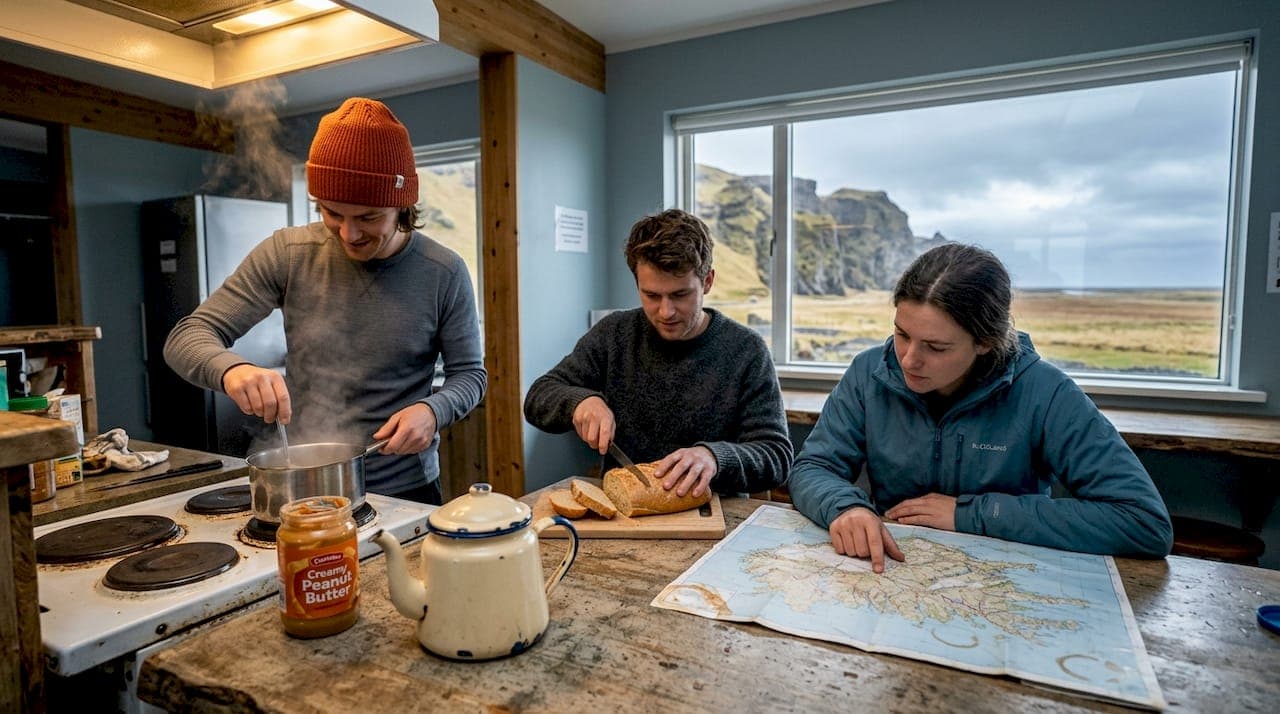
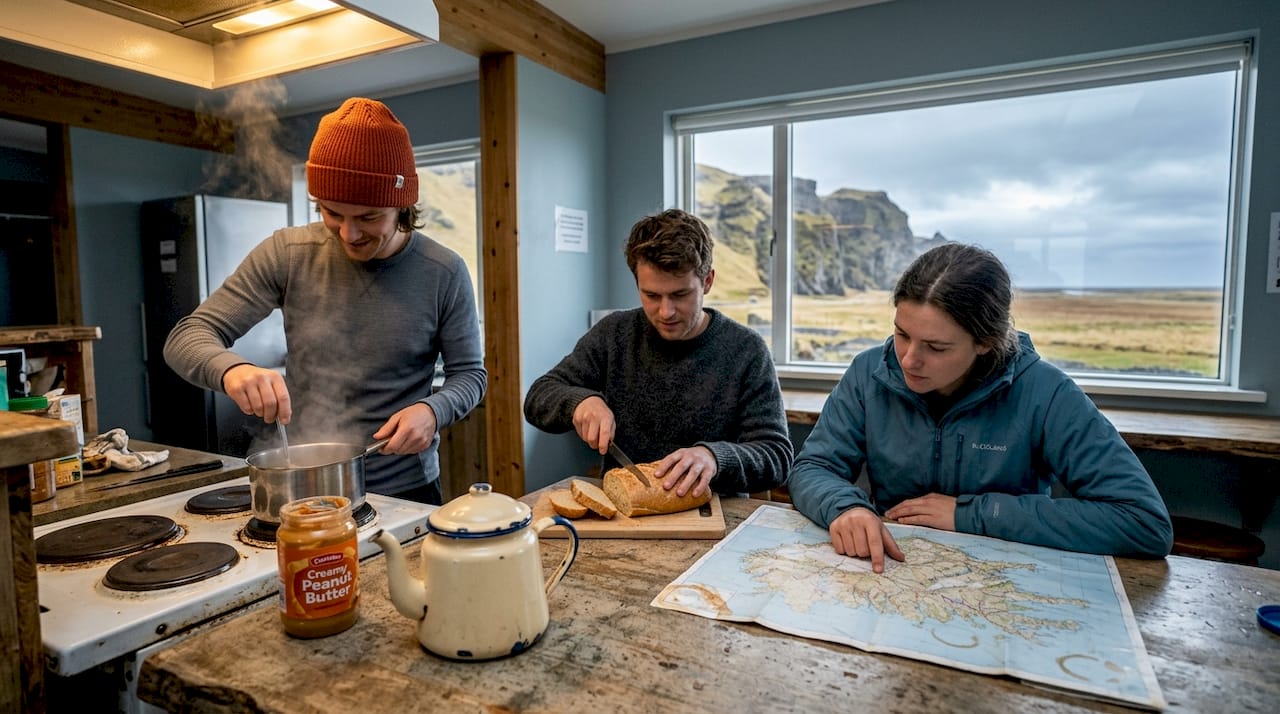
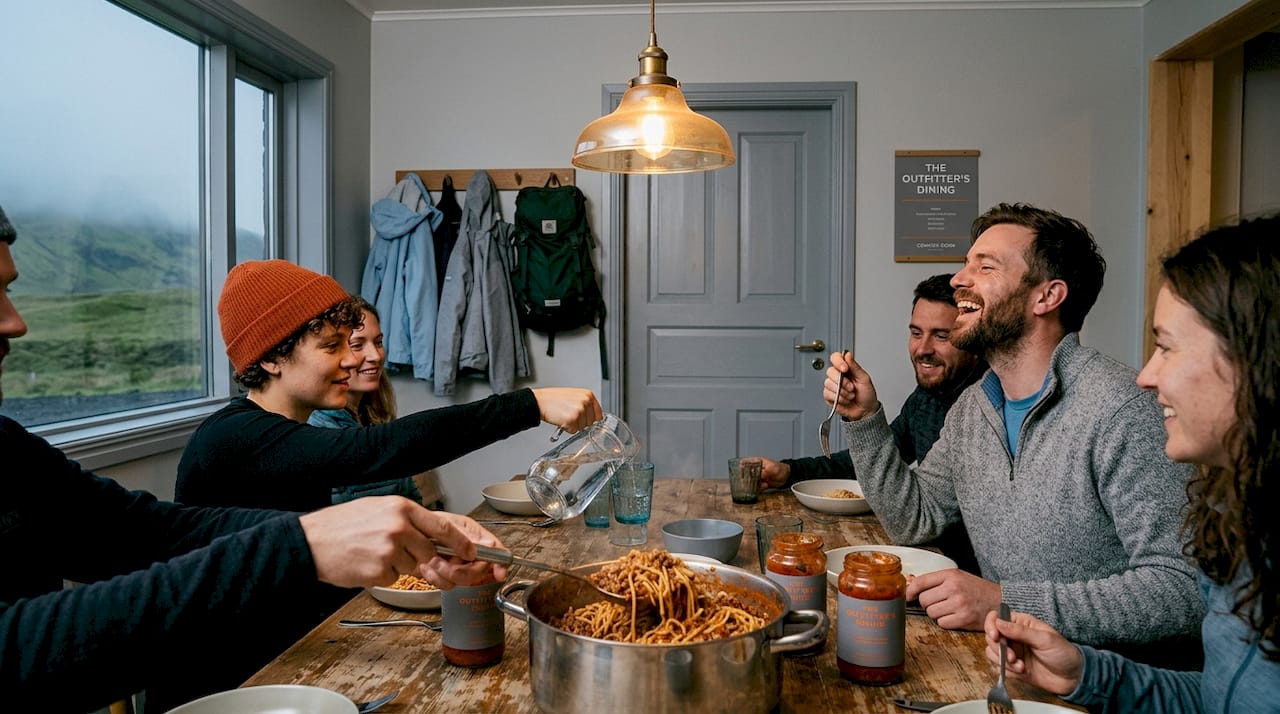
Communal kitchen nights are one of the most underrated social experiences in any hostel. When a hostel has a genuinely well-equipped kitchen, something interesting happens organically. Someone starts cooking, someone else smells it and asks what’s going on, and suddenly five strangers are sharing ingredients and swapping travel stories for two hours. The best social hostels on the South Coast lean into this intentionally, sometimes organizing “cook-together” nights where guests contribute one ingredient each and everyone eats together. It’s low-cost, low-pressure, and consistently produces real connections.
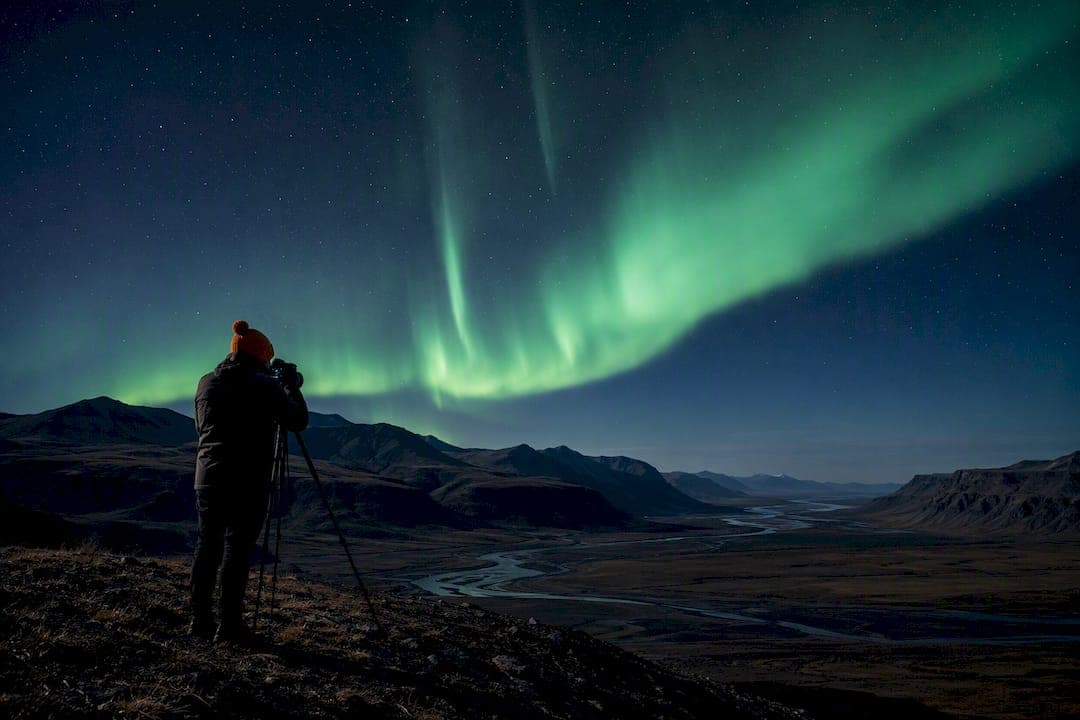
Guided group outings are another flagship experience. Iceland’s landscapes are spectacular but can feel isolating if you’re exploring solo. When a hostel coordinates group hikes to nearby waterfalls, sunrise trips to black sand beaches, or organized Northern Lights watches from a dark field nearby, it transforms individual sightseeing into shared adventure. The bond that forms when a group collectively spots the aurora for the first time is hard to manufacture any other way.
Cozy lounge and game nights serve a quieter but equally important function. Not everyone is ready to hike after a long driving day. Hostels that stock board games, have a warm fireplace area, or run informal quiz nights give socially inclined guests a lower-energy way to connect. These evenings often produce the most honest conversations, partly because there’s no agenda beyond just hanging out.
Shared hostel spaces encourage daily interactions and spontaneous group adventures in a way that private hotels simply can’t replicate. When your bedroom, kitchen, and lounge are all shared, the opportunities for connection multiply throughout the entire day, not just at organized events.
“I came to Iceland for the landscapes and left with four new friends I still talk to. It all started because someone in the kitchen asked if they could use my olive oil.” — a common refrain from South Coast hostel guests
The financial benefits compound the social ones. When you share a rental car with two or three people you met at the hostel, that day trip to Jökulsárlón Glacier Lagoon suddenly costs a fraction of what it would solo. When you pool groceries for a big kitchen dinner, everyone eats well for very little. These aren’t just social wins; they’re budget wins.
For travelers on the fence about dorm versus private options, the private hostel rooms guide explains how you can maintain personal space while still accessing all the communal social areas. And if you’re still deciding whether the South Coast hostel route is right for your trip, why choose South Coast hostels makes a compelling case.
Pro Tip: If you’re traveling solo, introduce yourself on your first evening rather than your second. The first night is when people are most open to meeting others. By night two, most guests have already formed their travel clusters.
Comparing social features: Which hostel matches your vibe?
How do these social experiences stack up against each other? Different hostel types attract different traveler personalities, and the social atmosphere varies significantly depending on the setting, the crowd, and the activities on offer. Here’s a snapshot to help you decide which type fits you best.
Nature hostels in Iceland offer unique group experiences amid Iceland’s landscapes, attracting solo adventurers and friend groups alike. The shared experience of being somewhere truly remote, surrounded by lava fields, glaciers, or rugged coastline, creates an instant common ground that urban hostels struggle to match.
| Hostel type | Social atmosphere | Key activities | Best for | Typical price range |
|---|---|---|---|---|
| Nature/rural hostel | Intimate, adventurous | Group hikes, Northern Lights watches, stargazing | Solo adventurers, small groups | $35 to $65 per bed |
| City hostel | High-energy, diverse | Pub crawls, walking tours, bar nights | Party travelers, short-stay visitors | $45 to $80 per bed |
| Chill/quiet hostel | Low-key, relaxed | Movie nights, board games, kitchen cooking | Introverts, couples, remote workers | $30 to $60 per bed |
| Boutique/premium hostel | Curated, social | Organized dinners, local experiences, guided outings | Design-conscious budget travelers | $50 to $90 per bed |
Nature-based and rural hostels consistently produce the most lasting social bonds for one simple reason: isolation. When your hostel is 35 minutes from the nearest town and the nearest entertainment is the sky itself, guests naturally turn to each other. The result is a slower, deeper kind of socializing that city hostels rarely achieve.
For a full breakdown of what amenities to prioritize when making your choice, the hostel amenities guide walks through everything from kitchen equipment to bed quality to outdoor facilities, with practical advice for every budget level.
Solo travelers tend to thrive in nature and boutique hostel settings. Groups of friends often prefer city or party-leaning hostels where the energy matches their existing dynamic. Couples and families can do well in any setting, as long as the option to book a full room for privacy is available alongside open communal spaces.
Choosing your ideal social hostel: Practical tips and mistakes to avoid
All of these options might sound appealing, and it’s easy to get overwhelmed. Here’s a straightforward five-step process for making your pick and actually maximizing the social experience once you arrive.
-
Define what social means to you. Are you looking for organized activities and group dinners, or do you prefer the quieter kind of socializing that happens organically in a well-designed kitchen? Knowing this upfront saves you from booking a party hostel when you’re a chill traveler, or vice versa.
-
Read reviews for social language. As mentioned earlier, search for specific words in recent reviews. “Met people,” “made friends,” “everyone was friendly,” and “staff helped organize” are green flags. Vague praise about the location alone is a yellow flag.
-
Check the room options carefully. Hostel room options vary widely. Some hostels let solo travelers book a single bed in a dorm, while others require you to book the whole room. For groups, the ability to buy out an entire dorm room gives you privacy without losing access to communal areas.
-
Look for a real activity calendar. A hostel that posts a weekly schedule of events is signaling that they take the social experience seriously. A generic mention of “activities available” on a website means nothing without specifics.
-
Book early, especially for summer travel. Peak season in Iceland runs from June through August, and the best social hostels fill up weeks in advance. Last-minute bookings often result in settling for whatever’s available rather than choosing what actually fits your travel style.
Some hostels offer private rooms with shared social spaces, which is genuinely the best setup for budget travelers who need personal recovery time but still want the communal energy. Don’t assume that booking a private room means opting out of the social scene.
Common mistakes travelers make when choosing a social hostel:
- Ignoring the kitchen setup. A hostel with only a microwave and a single hot plate will not produce the communal cooking magic described earlier.
- Overlooking the outdoor space. In Iceland especially, evening gathering areas around fire pits or under open skies are where the best stories happen.
- Focusing only on price. The cheapest bed in town is often in a hostel with no personality. Spending five extra dollars per night for a genuine community atmosphere is almost always worth it.
For travelers new to the self-service hostel model, the self-service hostel guide explains exactly what to expect in terms of facilities, etiquette, and how to get the most out of the shared spaces.
Pro Tip: Pack a few things that invite interaction: a card game, a small speaker, or even an unusual snack from your home country. These small items consistently break the ice faster than any planned activity.
| Common mistakes | What to do instead |
|---|---|
| Booking based on price alone | Compare amenities and reviews side by side |
| Ignoring activity calendars | Email the hostel directly to ask what’s on during your stay |
| Assuming dorms = no privacy | Ask about room buyout options for groups |
| Booking at the last minute | Reserve at least 3 to 4 weeks ahead in peak season |
What most travel guides miss about Icelandic hostel culture
Here’s the honest truth that most travel blogs won’t tell you: the organized activities are a vehicle, not the destination. The Northern Lights group watch, the communal dinner, the game night, all of these are just excuses to be in the same place at the same time. The actual connection happens in the gaps, in the ten-minute conversation while waiting for the pasta water to boil, or in the shared silence of watching a volcanic landscape roll by from a car window.
Iceland specifically has a quality that accelerates this process. The scale of the landscape and the remoteness of the South Coast create a collective humility in travelers. Everyone, regardless of background or nationality, is equally small out here. That shared sense of wonder strips away the social posturing that city travel sometimes encourages.
The hostels that understand this don’t try too hard. They create the conditions and then step back. Choosing South Coast hostels for the right reasons means looking for places that trust their environment and their guests, not ones that over-program every hour of the day. The best memories in these places almost always happen completely off the itinerary.
Ready for your own South Coast adventure? Find your perfect hostel
Fox Hostel sits inside Hrífunes Nature Park, a beautifully converted traditional Icelandic barn just 35 minutes east of Vík. It was built around exactly the kind of social atmosphere this article describes: a massive communal kitchen, an on-site pizzeria, dark skies perfect for Northern Lights viewing, and a community of travelers who genuinely connect.
Whether you want to book rooms and dorms as a solo traveler grabbing a single bed, or a group looking to buy out a full room for private use, the booking process is straightforward and flexible. You can also discover hostel room types to find the setup that fits your group perfectly. Start your South Coast adventure at Fox Hostel and let the landscape, and the people, do the rest.
Frequently asked questions
What types of social events are common in Icelandic hostels?
Typical social events include group dinners, guided hikes, Northern Lights watches, and game nights. South Coast hostels offer communal dinners and shared activities designed specifically to help guests connect without awkwardness.
Can solo travelers easily meet people in South Coast hostels?
Yes, social hostels are designed so that connection happens naturally through shared spaces and group excursions. Solo travelers find it easy to meet others, especially in nature-based hostels where the remote setting creates instant common ground.
Are private rooms available for those who want some quiet time?
Many social hostels on the South Coast offer private rooms that still give you full access to communal areas. Private rooms in hostels maintain access to social spaces, so you get the best of both quiet and community.
Should I book my South Coast hostel in advance during peak season?
Yes, booking ahead is essential, as popular social hostels fill up quickly in summer. Hostel demand surges in peak season, so locking in your spot three to four weeks early gives you the best selection and the best price.
Recommended
- Why choose hostels on Iceland’s South Coast in 2026 | Fox Hostel – South Iceland
- Social hostels in Iceland: connect, explore, and save | Fox Hostel – South Iceland
- How to book shared hostel rooms in South Iceland easily | Fox Hostel – South Iceland
- Private hostel rooms: budget-friendly, social Iceland stay | Fox Hostel – South Iceland