Vík to Landmannalaugar Drive: F208’s River Crossings Start Early
Vík to Landmannalaugar Drive: F208’s River Crossings Start Early

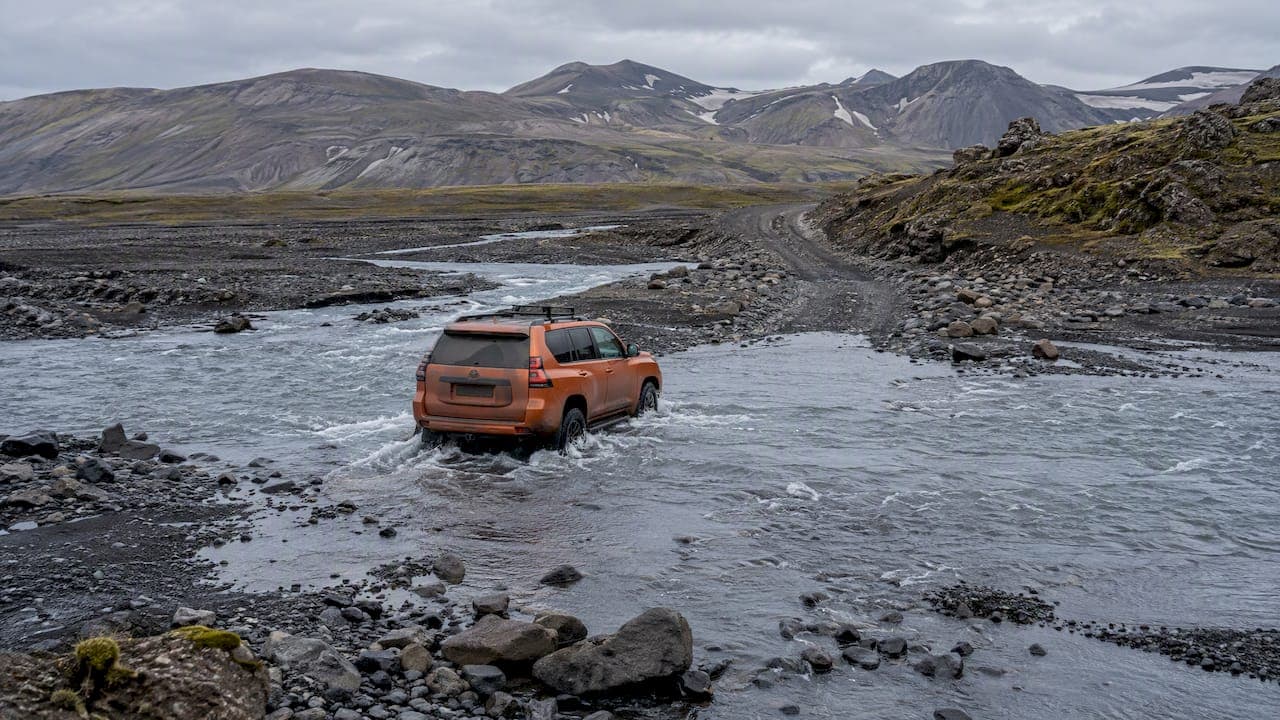
Yes, you can drive from Vík to Landmannalaugar in summer, but only in an F-road approved 4x4, and only after preparing for multiple unbridged river crossings. The most direct route, F208 south, is also the hardest. Before anything else, check road.is, fill your tank, and leave early in the day.
TL;DR:
- F208 south is the most scenic and demanding route, while the F26/F208 northern approach avoids most river crossings but adds driving time.
- Confirm your rental contract explicitly permits F208, and choose a high clearance 4x4 with low range, aggressive tires, and recovery gear.
- Cross early, when meltwater is calmer; walk or probe uncertain crossings, and turn back if you cannot see the bottom or encounter fast current.
- F roads usually open from mid June to early September, but dates shift yearly; check road.is, refuel first, and consider a bus or guided tour.
Table of Contents
- Which route should you take from Vík to Landmannalaugar?
- What vehicle and rental permissions do you need for F-roads?
- How do you cross rivers on F208 south safely?
- What should you check and pack before leaving Vík?
- When should you skip self-driving and choose an alternative?
- How does Fox Hostel help you plan an early departure?
- Is the drive worth the preparation it demands?
- Book a night in Vík before your highlands run
- FAQ
- Sources
Which route should you take from Vík to Landmannalaugar?
Three main roads connect Vík to Landmannalaugar, and they differ sharply in difficulty. The Iceland Touring Association identifies F208 south, the F26/F208 northern approach, and F225 as the three commonly used options, with F208 south ranked the most demanding of the three.
- F208 south starts near Vík off the Ring Road and runs through the most scenic terrain, but it carries the highest number of river crossings and can take several hours to drive one way.
- F26/F208 north requires driving north and east first, adding time but avoiding most of the fords that make the southern route difficult; the drive duration is notably longer than the southern route due to the detour.
- F225 sits between the two in difficulty, passes within view of Hekla volcano, and usually requires several hours to drive from Vík.
All three routes are paved only until you leave the Ring Road area. From that point, gravel and rough volcanic surfaces take over, and conditions can change from one week to the next depending on rain and snowmelt.
What vehicle and rental permissions do you need for F-roads?
An “F-road approved” 4x4 means a vehicle with genuine four-wheel drive, high ground clearance, aggressive tires, and a low gear range for crawling through water and loose rock. Standard crossover SUVs, even with all-wheel drive, often lack the clearance and gearing that river fords demand, and getting stuck or stalled mid-crossing is a real risk with the wrong vehicle.
Rental contracts matter as much as the vehicle itself. Many rental insurance policies exclude damage from unauthorized F-road driving, so confirm your permissions before you leave the lot. Our guide to F-roads and rental insurance breaks down what to check before signing.
Before departure, pack:
- A full-size spare tire and the tools to change it.
- Basic recovery gear, including a tow strap.
- A portable battery charger or jump starter.
- Extra coolant for a vehicle working hard in low gear.
Pro Tip: Ask your rental company directly whether your contract covers F208, by name, not just “highland driving” in general.
How do you cross rivers on F208 south safely?
Traveler trip reports describe the southern stretch of F208 as presenting its river crossings early in the route, and other sources on the number and unpredictability of these fords note that depth and current can shift within hours. Glacial meltwater tends to rise through the day, so crossings attempted in the morning are generally calmer and safer than the same crossing in the afternoon.
A river crossing you cannot see the bottom of, or one with visible whitewater and fast current, is not one to attempt.
- Slow down well before the crossing and stop on the near bank.
- If depth or current looks uncertain, get out and walk the line you plan to drive, or use a stick to probe depth.
- Enter in low gear at a slow, steady speed, keeping RPM consistent rather than accelerating or braking mid-crossing.
- If the engine stalls in moving water, do not try to restart it. Restarting can pull water into the intake and destroy the engine; wait for recovery help instead.
When judgment says “maybe,” Safetravel’s own guidance is to turn back. There are also two roads both labeled 208 in different parts of the highlands, and only the southern section carries the river crossings relevant to a Vík departure, so confirm which 208 your map or GPS is referencing before you commit.
What should you check and pack before leaving Vík?
A few minutes of preparation in Vík prevents most of the problems that strand drivers in the highlands.
- Top off your fuel tank before leaving town. There are no fuel stations once you’re on the F-roads, and the last pump on the northern approach sits at the Hrauneyjar Highland Centre.
- Check road.is or umferdin.is for live conditions right before departure, and check again once you’re underway if you have signal.
- Tell someone your plan and rough return time. Leaving a simple itinerary with your accommodation costs nothing and matters if you’re overdue.
- Pack food, water, warm layers, a blanket, a basic first-aid kit, a flashlight, and a charged power bank.
Pro Tip: Set a hard turnaround time before you leave, tied to a landmark like the P1 parking area or Hrauneyjar, and stick to it even if you haven’t reached Landmannalaugar yet.
When should you skip self-driving and choose an alternative?
Not every traveler needs to tackle F208 south in a rental; for those seeking expert guidance and safety on challenging routes, consider a woman’s guide to climbing Kilimanjaro for inspiration on preparing for tough adventures. If you’re unsure about your vehicle’s permissions, your own river-crossing judgment, or simply want to see Landmannalaugar without the driving stress, a few solid alternatives exist.
- The Highland Bus network reaches Landmannalaugar in summer, though the best connections often mean routing through Reykjavík or Selfoss rather than direct from Vík.
- Guided Super Jeep tours handle every crossing themselves, which suits travelers with zero river-fording experience and removes the logistics entirely.
- Smaller SUVs and hikers can often park at P1 or Hrauneyjar and arrange a transfer or hike the final stretch instead of pushing a vehicle that isn’t built for the fords.
If there’s any doubt about your rental’s permissions or your comfort reading a river crossing, the safer call is one of these options rather than pushing forward on F208.
How does Fox Hostel help you plan an early departure?
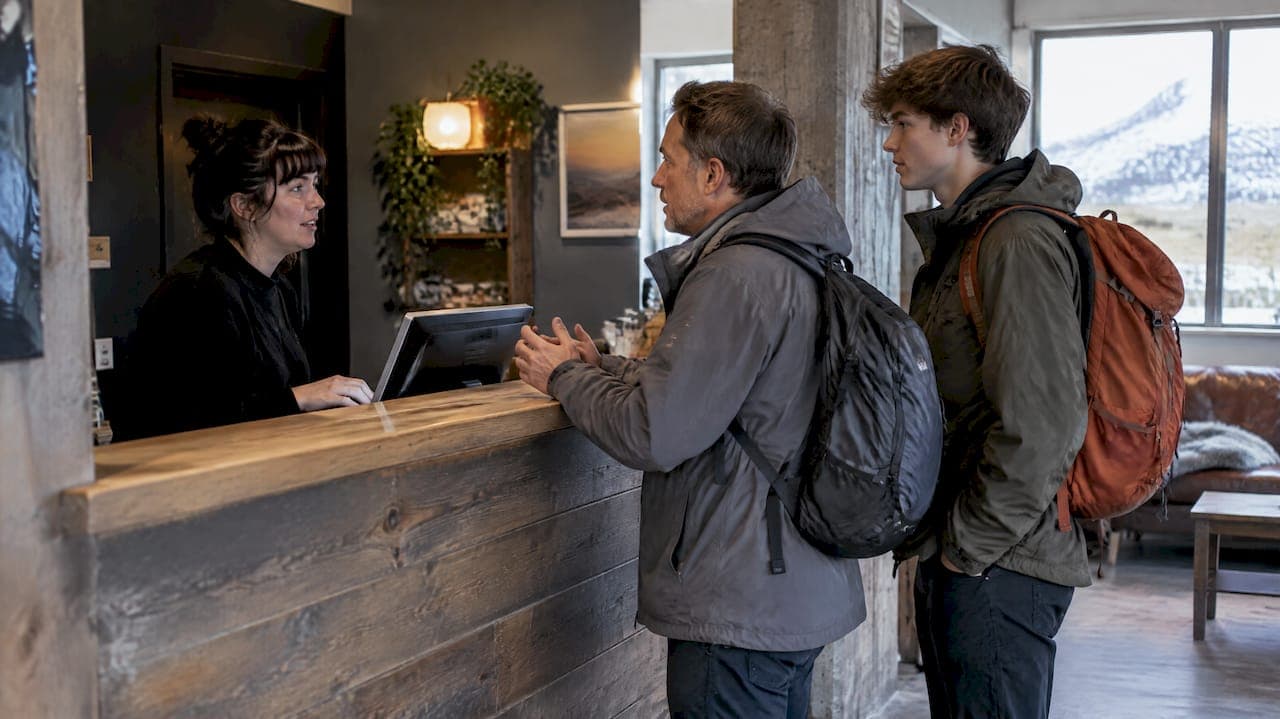
Leaving Vík right after breakfast puts you on the highland roads while rivers are still at their calmest, before the afternoon melt picks up. We serve breakfast on site, which makes an early start straightforward without hunting for an open café at dawn.
For fuel and service points along the South Coast, our day-trip timing guide and Katla ice cave access notes cover nearby road conditions and planning details that apply to highland trips as well. If you’re combining Landmannalaugar with other South Coast stops, our itinerary planning guide helps you sequence the days.

Is the drive worth the preparation it demands?
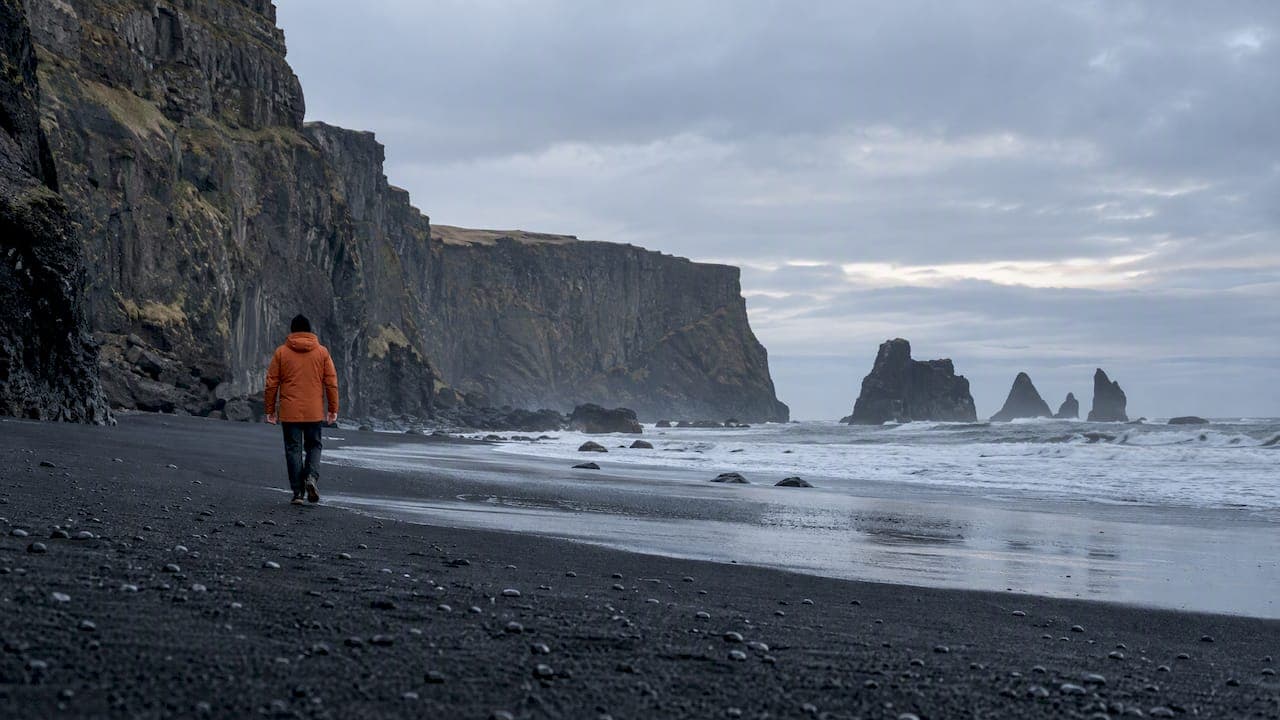
F208 south delivers some of the rawest scenery on the South Coast: black sand, green moss-covered lava, and rhyolite mountains that shift color through the day. None of that changes the fact that a stalled engine mid-river is a far worse memory than any view. Prepare properly, or choose a guided alternative, and the drive earns every bit of its reputation.
— Siggi
Book a night in Vík before your highlands run
Staying in Vík the night before your drive turns a stressful 5 a.m. scramble into a calm, well-fed start. We offer breakfast and communal kitchen space on site, so you can fuel up and swap route notes with other travelers before heading into the highlands.

Our rooms work for solo travelers and couples alike, and our group bookings page covers options if you’re arriving with a larger crew planning the same highland route. If the drive isn’t for you, our partnered rafting adventure is a different way to get an adrenaline fix on this trip without the river-crossing judgment calls. Book your stay and plan your departure time around the conditions you check the morning of.
FAQ
Is Landmannalaugar worth visiting?
Landmannalaugar draws visitors for its colorful rhyolite mountains, lava fields, and natural hot springs, all reachable only during the short summer F-road season. For travelers willing to prepare properly or book a guided option, it’s widely regarded as one of the standout stops in the Icelandic highlands.
Do you need a 4x4 to reach Landmannalaugar?
Yes, an F-road approved 4x4 with high clearance and low gear capability is required, since the routes include unbridged river crossings that an ordinary car or crossover SUV cannot safely handle. Standard rental cars are also typically barred from F-roads under their insurance terms.
What is the most scenic road to drive in Iceland?
Opinions vary, but F208 south between Vík and Landmannalaugar is consistently named among the most scenic highland drives for its black sand, lava fields, and mountain colors, according to traveler trip reports. It’s also one of the more demanding routes, so the view comes with real preparation requirements.
How long does hiking at Landmannalaugar take?
Hiking options at Landmannalaugar range from short walks of an hour or two near the hot springs to longer day hikes into the surrounding mountains. The exact time depends on which trail you choose and your own pace, so check conditions with rangers on arrival.
When are the F-roads to Landmannalaugar open?
F-roads to Landmannalaugar typically open in mid-June and close by early September, though exact dates shift year to year based on snowmelt and weather. Always confirm current status on road.is before planning your trip, since an early or late season can shift these windows by a few weeks.
Sources
- List of F-roads in Iceland
- Fuel and gas stations in Iceland guide
- River-crossings guide
- Advice & safety — Vatnajökull National Park
- Landmannalaugar — Iceland Touring Association