What Is Shared Accommodation? Types, Benefits and Tips
What Is Shared Accommodation? Types, Benefits and Tips
TL;DR:
- Shared accommodation involves private bedrooms with shared common areas, serving diverse needs like house shares, co-living, and supported living. It offers cost savings and social benefits but requires communication and management of privacy and responsibilities. Finding success depends on clear expectations, strategic platform use, and embracing community as a core value.
Shared accommodation gets misunderstood constantly. Most people picture cramped student dorms or awkward roommate situations, but what is shared accommodation really? It’s a broad category that covers everything from casual house shares between friends to purpose-built co-living developments with concierge services, and even supported living arrangements for people with disabilities. People choose it for the cost savings, the social connections, and the flexibility it offers. This guide breaks down every major type, the real benefits and tradeoffs, and exactly how to find and thrive in shared living arrangements.
Table of Contents
- Key takeaways
- What is shared accommodation and its main types
- Benefits and challenges of shared housing
- How shared accommodation differs from other options
- How to find and thrive in shared accommodation
- Emerging models and specialized shared living
- My take on shared accommodation
- Experience shared accommodation at Fox Hostel
- FAQ
Key takeaways
| Point | Details |
|---|---|
| Clear definition matters | Shared accommodation means private bedrooms plus shared common areas, covering house shares, co-living, HMOs, and supported living. |
| Cost savings are real | Splitting rent, utilities, and supplies can significantly reduce monthly housing expenses compared to renting alone. |
| Communication is the key skill | Most conflicts in shared housing start within the first 30 days and stem from unspoken expectations about shared spaces. |
| Types vary widely | From Seoul co-living studios to supported housing for adults with disabilities, shared models serve very different needs. |
| Travelers benefit too | Shared hostel accommodation offers affordability, social connection, and flexibility that hotels simply cannot match. |
What is shared accommodation and its main types
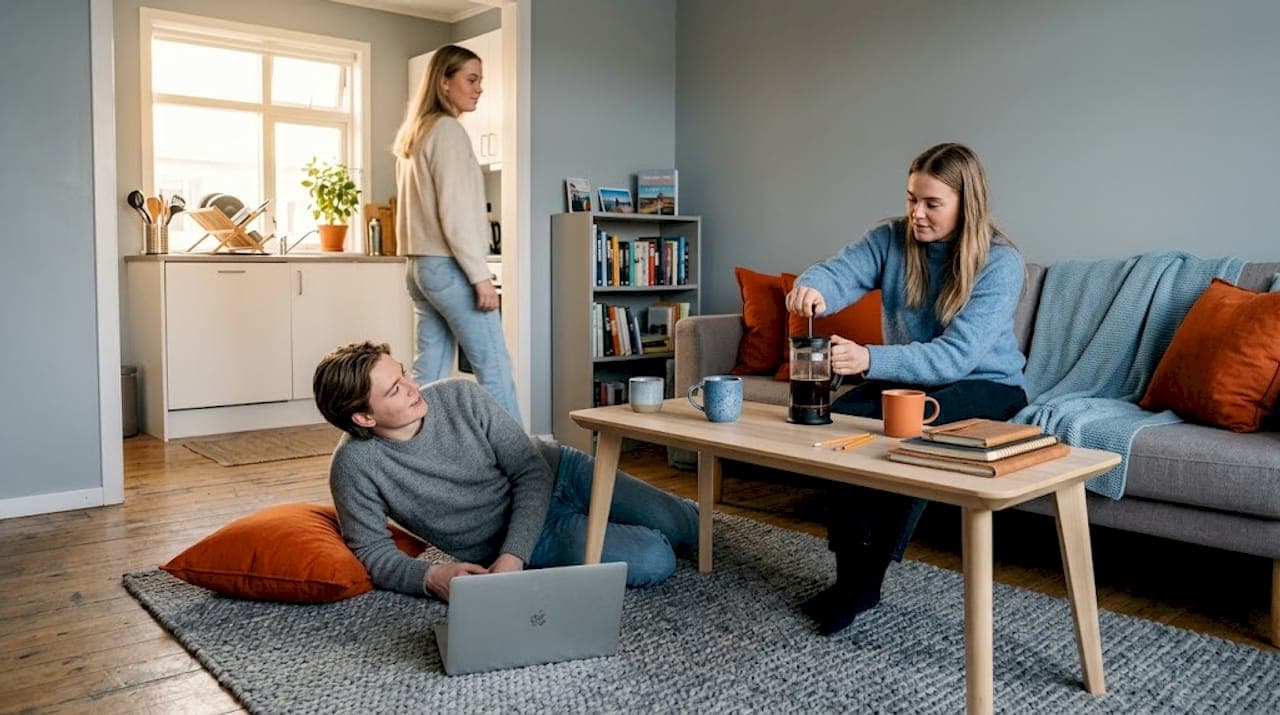
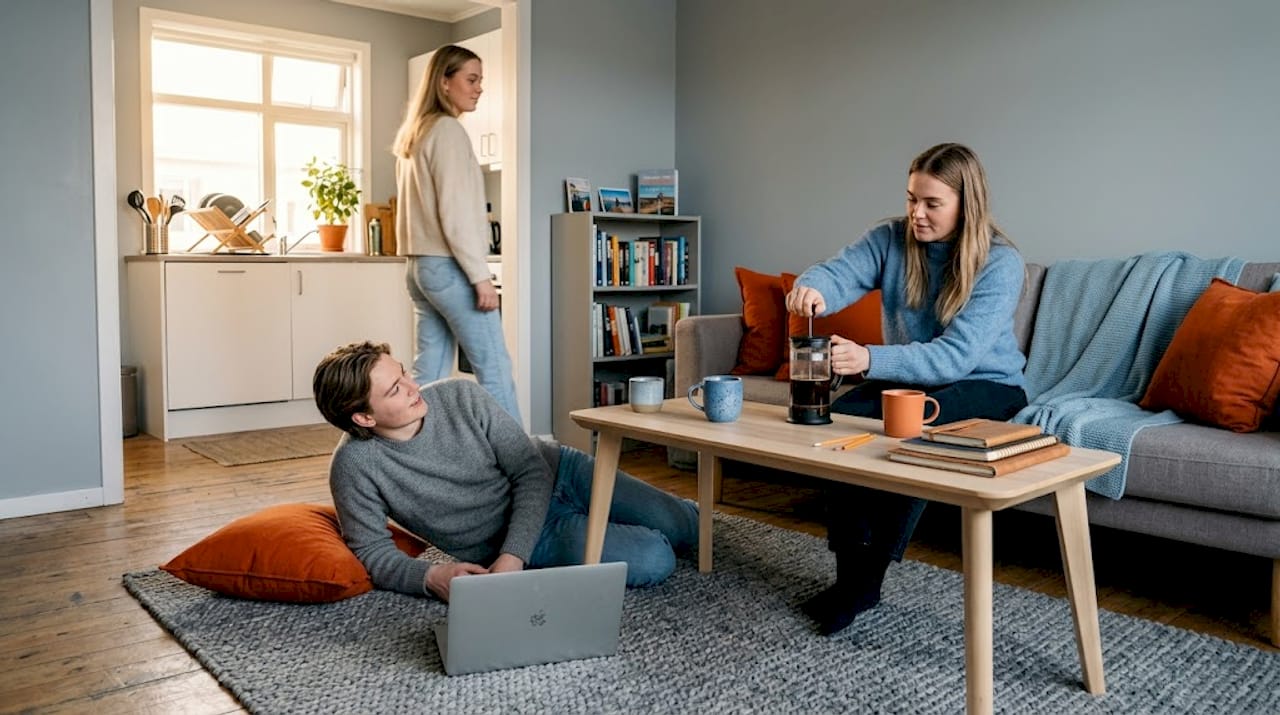
At its core, shared accommodation means two or more people renting and living together, with private bedrooms but shared common areas like kitchens, bathrooms, and living rooms. That’s the baseline definition. Everything else is a variation on that structure.
The most common form is the house share, where a group of people rent a single property together. Each person has a private bedroom and shares the rest. It’s informal, common among students and young professionals, and usually the most affordable option per person.
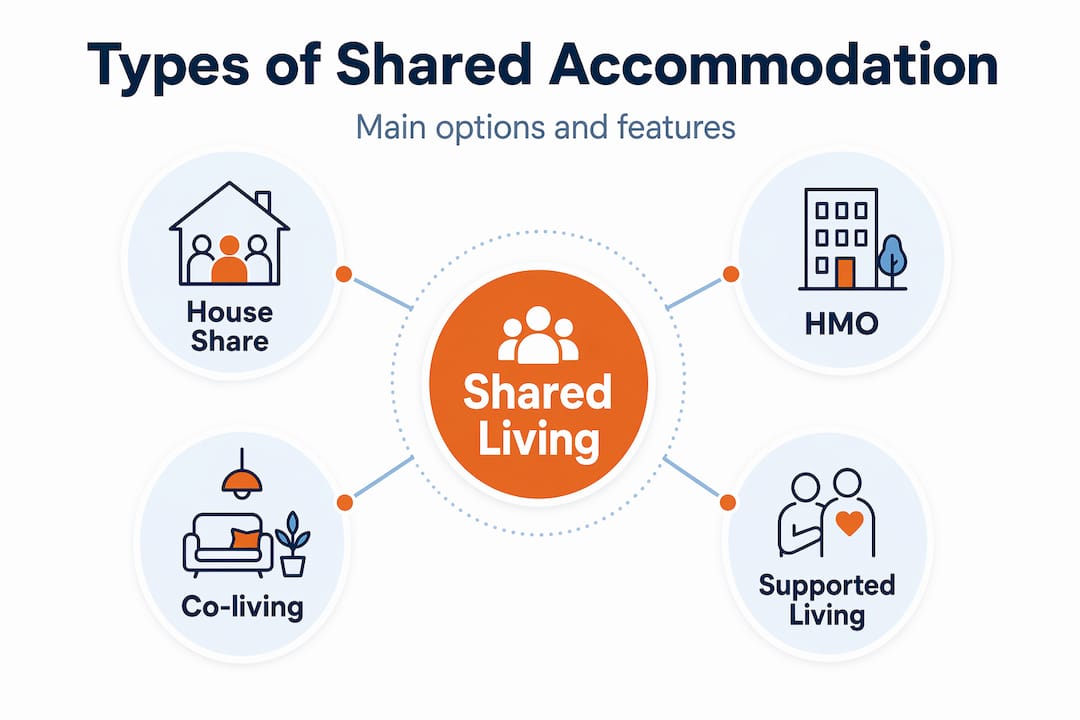
HMOs (Houses in Multiple Occupation) are a legal classification used primarily in the UK and some Commonwealth countries. They typically involve three or more tenants from different households sharing facilities. The designation triggers specific landlord obligations around fire safety, minimum room sizes, and licensing. Knowing this term matters if you’re renting in those regions.
Co-living is the modern, premium version. Operators build or convert properties specifically for shared occupancy, bundling utilities, Wi-Fi, cleaning services, and social events into a single monthly payment. Seoul’s co-living market illustrates this well: private studios with communal amenities run around $665 to $996 USD per month, attracting young professionals who want community without sacrificing personal space.
Supported shared living is a specialized model where residents, often adults with disabilities, live with 2 to 6 housemates and receive tailored one-on-one support for daily tasks. It prioritizes community integration and independence over simple cost-sharing.
| Type | Who it’s for | Shared spaces | Key feature |
|---|---|---|---|
| House share | Students, young adults | Kitchen, living room, bathrooms | Informal, low cost |
| HMO | Mixed tenants | All common areas | Legal landlord obligations |
| Co-living | Professionals, digital nomads | Amenities plus social spaces | Bundled services and community |
| Supported shared living | Adults with disabilities | Common areas plus care staff | Personalized daily support |
| Shared hostel room | Travelers, backpackers | Kitchen, lounges, bathrooms | Flexible short-term stays |
Benefits and challenges of shared housing
The appeal of shared housing is straightforward: you spend less money and meet more people. But the full picture is more nuanced than that.
The real benefits:
- Lower monthly costs by splitting rent, utilities, and household supplies across multiple people
- Built-in social network, especially valuable in a new city or country
- Shared responsibilities for cleaning, shopping, and maintenance reduce the burden on any one person
- More central or spacious properties become affordable when the cost is divided
- Affordability and community drive shared accommodation popularity, particularly in expensive urban markets
The real tradeoffs:
- Reduced privacy, especially in smaller properties with thin walls or shared bathrooms
- Interpersonal friction over cleanliness, noise, guests, and kitchen use
- Less control over your environment, from décor to temperature
- Lease complications if a housemate leaves unexpectedly
- Sleep disruptions in dorm-style or high-occupancy settings
The tradeoffs are real, but they’re manageable. Shared living requires a genuine trade: personal control for affordability and connection. People who go in knowing that adjust faster and enjoy it more.
Pro Tip: The first 30 days set the tone for the entire tenancy. Have an upfront conversation with housemates about kitchen use, cleaning schedules, and quiet hours before any friction starts. Most shared housing conflicts come from unspoken expectations about communal spaces, not personality clashes.

Shared living also rewards a specific mindset. People who treat it as an intentional lifestyle choice rather than a fallback option tend to get far more out of it. The community aspect is real. Many people who start sharing out of financial necessity end up continuing it by choice.
How shared accommodation differs from other options
People frequently confuse shared accommodation with other lodging formats. The distinctions matter practically.
A private rental gives you an entire unit. You control the kitchen, the living room, the bathroom. Nobody else has a key. You pay more for that control, often significantly more in high-demand cities. The tradeoff is isolation alongside autonomy.
A hotel room is a transient stay with services. You get housekeeping, reception, and amenities, but no kitchen access, no community, and no flexibility on cost for longer stays. Hotels are designed for short visits, not for anyone trying to live affordably or build local connections.
Shared accommodation sits between those two. It’s longer-stay by nature, community-oriented by design, and cost-effective by structure. One important clarification worth making: what is shared kitchen accommodation in a residential context is very different from a commercial shared-use kitchen. Commercial setups serve food businesses sharing prep space. Residential shared kitchens are simply the communal cooking area in a shared home. The legal obligations, hygiene standards, and use expectations are completely different.
| Feature | Shared accommodation | Private rental | Hotel |
|---|---|---|---|
| Cost per person | Low | High | Medium to high |
| Community | High | Low | None |
| Kitchen access | Shared | Private | Rare |
| Lease flexibility | Varies | Fixed term | Daily or nightly |
| Privacy level | Moderate | Full | Moderate |
| Typical stay length | Weeks to years | Months to years | Days |
Hotels are also now competing with shared travel accommodation on price and experience, and shared options consistently win on affordability and social value for travelers who want more than a bed.
How to find and thrive in shared accommodation
Finding a good shared arrangement takes more than browsing a listing site. Here’s a practical process that actually works:
- Define your priorities first. Know your budget, preferred location, ideal housemate age range, and non-negotiables like pet tolerance or smoking rules before you search.
- Use the right platforms. General rental sites work, but dedicated flatmate platforms and community groups on social media surface options faster, especially in competitive cities.
- Read the lease carefully. Understand whether you’re a named tenant or a subtenant, and what happens if someone leaves. This protects you legally.
- Meet potential housemates before committing. A video call or in-person visit tells you far more than a written profile. Gut instinct matters.
- Ask about house rules explicitly. Cleaning rotations, guest policies, shared expenses, and kitchen norms should be discussed before you sign anything.
- Set shared expectations in writing. A simple shared document covering cleaning schedules and shared cost splits prevents most conflicts before they start.
- Visit at different times of day. Noise levels, traffic, and neighborhood feel change hour to hour. A quick evening visit reveals what a midday tour hides.
Once you’re in, managing the shared spaces well is what separates a good experience from a stressful one. The kitchen deserves particular attention. High-density shared kitchens that function smoothly use labeled shelves, assigned storage areas, and clear rules about communal versus personal food. Apply the same thinking at home.
Pro Tip: Label your food from day one. It sounds minor, but food labeling and shelf assignments eliminate one of the most common sources of daily friction in shared kitchens. A small piece of tape with your name costs nothing and prevents surprisingly big arguments.
For travelers specifically, finding shared hostel rooms in well-reviewed properties gives you the best balance of cost control and social experience. Look for places with communal kitchens, strong guest reviews about atmosphere, and flexible booking terms.
Emerging models and specialized shared living
Shared accommodation is not a static category. Two trends are reshaping what it looks like in 2026.
The first is the expansion of co-living as a professional lifestyle product. Flexibility, community, and built-in security have become key drivers for shared housing in urban markets worldwide, particularly among people in their 20s and 30s who value location mobility. Seoul’s model is instructive: co-living operators bundle utilities, social programming, and short lease terms into a product that competes directly with solo apartment living. Similar models are expanding in Tokyo, Berlin, and major US cities.
The second trend is employer-supported shared housing. Some organizations, particularly schools in high-cost areas, now offer shared accommodation for employees as a recruitment benefit. This reflects a practical recognition that housing costs in certain cities price out otherwise qualified candidates. Shared living stops being just a personal choice and becomes a strategic workplace benefit.
A less discussed but growing variant is “living apart together,” where committed couples intentionally maintain separate homes for personal autonomy while staying in a relationship. This sits at the edge of shared living philosophy, emphasizing that communal living norms are being actively renegotiated across all demographics, not just among students or budget travelers.
My take on shared accommodation
I’ve spent a lot of time around shared living spaces, and the thing most people get wrong is treating shared accommodation as a compromise. It isn’t. It’s a different value system.
When I look at how travelers respond to a well-run shared hostel space versus a solo hotel room, the difference in energy is obvious. People in shared spaces are more engaged, more willing to swap recommendations, and more likely to take the kind of spontaneous detours that become the stories they actually tell afterward. The social dimension is not a side effect. It’s the point.
The practical challenges are real, of course. Kitchen friction, noise, mismatched sleep schedules. But I’ve noticed that people who struggle most in shared accommodation come in expecting it to feel like a private apartment that happens to have other people in it. That framing sets them up for frustration. The better framing is: you’re opting into a community, and community requires some give.
What I find genuinely interesting is how the market is maturing. Co-living operators are professionalizing the experience. Hostels are upgrading their communal spaces and programming. The casual, tolerant-of-chaos version of shared living is becoming one option among many rather than the default. That’s good for everyone. People with higher standards for privacy and comfort can find shared models that meet those standards, without paying private rental prices.
Shared living is, at its best, one of the more honest ways to travel or live. You get out what you put in socially. And the people who put in tend to get experiences they couldn’t have engineered alone.
— Trygve
Experience shared accommodation at Fox Hostel
If you’re looking for shared accommodation that actually delivers on the social promise without sacrificing quality, Fox Hostel in South Iceland is worth a close look. Set in a converted Icelandic barn in Hrífunes Nature Park, it offers dorm-style rooms and private options with the flexibility to book a single bed or buy out an entire room for a group. Solo travelers, couples, and small groups all find a setup that works.
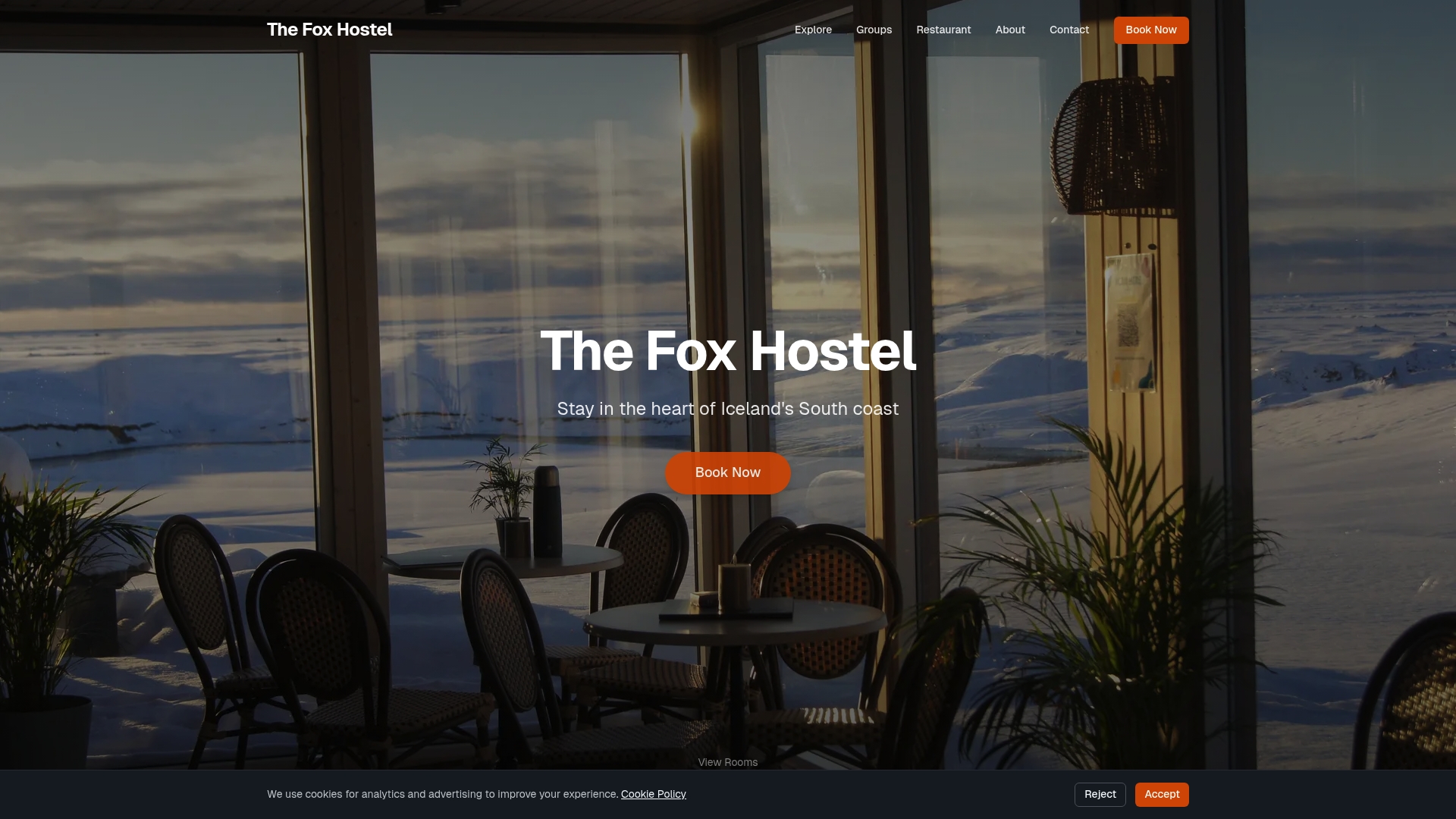
The communal kitchen is fully equipped and genuinely large, which matters more than people expect. Add an on-site pizzeria, dark skies perfect for Northern Lights viewing, and a location 35 minutes east of Vík with direct access to Reynisfjara Black Sand Beach. This is shared accommodation with real character. Book directly at Fox Hostel to see current availability and flexible room options for your South Iceland trip.
FAQ
What does shared accommodation mean?
Shared accommodation means two or more people living together in a property, each with a private bedroom but sharing common areas like the kitchen, bathroom, and living room. It covers house shares, co-living spaces, HMOs, and shared hostel rooms.
What is shared kitchen accommodation?
Shared kitchen accommodation refers to any living arrangement where residents have private sleeping spaces but use a communal kitchen together. This is standard in house shares, co-living buildings, and hostels, and differs entirely from commercial shared-use kitchens used by food businesses.
What are the main benefits of shared housing?
The main benefits of shared housing are lower costs per person, built-in social connections, and shared household responsibilities. Residents trade full privacy for affordability and community, which suits travelers, young professionals, and anyone relocating to a new city.
How do I find shared accommodation?
Start by defining your budget and priorities, then use dedicated flatmate platforms, local community groups, and hostel booking sites for short-term stays. Always meet potential housemates before committing, read the lease carefully, and clarify house rules in writing upfront.
How is co-living different from a regular house share?
Co-living is a professionally managed version of shared accommodation where operators bundle utilities, Wi-Fi, cleaning, and social programming into a single monthly cost. A regular house share is informal and self-managed. Co-living typically costs more but offers more consistency and amenities.
Recommended
- How to book shared hostel rooms in South Iceland easily | Fox Hostel – South Iceland
- What Is a Dormitory Room? Your Honest Guide | Fox Hostel – South Iceland
- Private hostel rooms: budget-friendly, social Iceland stay | Fox Hostel – South Iceland
- Dormitorios mixtos en hostales: guía para viajeros sociales | Fox Hostel – South Iceland