4 Stops Between Reykjavík and Höfn and Which to Book First
4 Stops Between Reykjavík and Höfn and Which to Book First
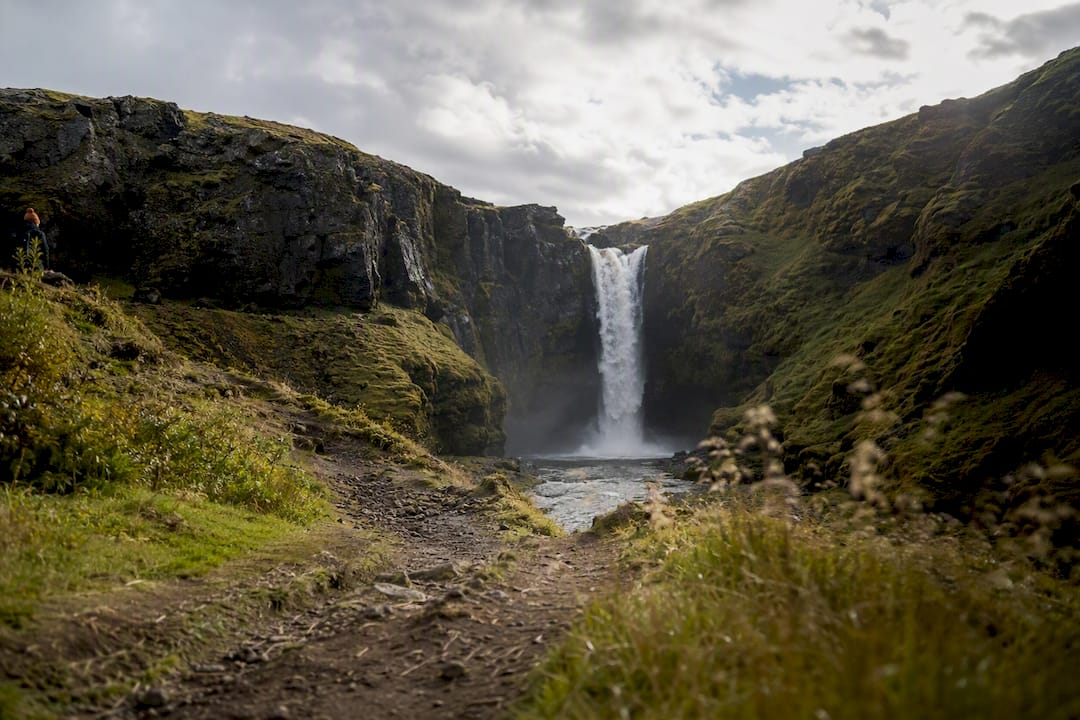
Four stops matter on this stretch: Vík, Kirkjubæjarklaustur, the glacier-lagoon area around Jökulsárlón and Skaftafell, and Höfn. Book the glacier-lagoon area first, since it has the least lodging and the most demand, then work backward to Vík. Fox Hostel, 35 minutes east of Vík, makes a strong, easy-to-book base for the first leg.
TL;DR:
- Book the glacier-lagoon area well in advance, preferably three months ahead, due to high demand and limited availability.
- Vík offers the most services, making it an ideal first stop for groceries, gas, and early visits to popular beaches before crowds arrive.
- Kirkjubæjarklaustur serves as a strategic overnight stop to split long drives, with limited dining options and quieter accommodations.
- Staying near Jökulsárlón benefits photographers and glacier explorers, but requires booking at least three months upfront in peak season.
- Höfn provides reliable services, a wide dining scene, and makes a suitable fallback if closer lodging is fully booked or weather delays travel plans.
Table of Contents
- Where Should You Stay Between Reykjavík and Höfn?
- Where to Sleep in Vík and Why It Matters So Much
- Is Kirkjubæjarklaustur Worth a Night on the Way East?
- Where to Stay Near Jökulsárlón and Skaftafell
- Should You Stay in Höfn Instead?
- When to Book and How Far Ahead
- How Far Is It, Really, From Reykjavík to Höfn?
- How Do You Actually Decide Where to Stop?
- Why Fox Hostel Fits This Route So Well
- Recommended Stopping Points Before You Even Reach Vík
- Planning Around Daylight and Weather
- Staying Flexible When Roads or Weather Change Plans
- Getting Around Each Stop Without a Car
- A Simple Rhythm That Works for Most Trips
- Book the Vík Leg of Your Trip at Fox Hostel
- Sources
Where Should You Stay Between Reykjavík and Höfn?
Every south coast itinerary boils down to picking overnight stops that match your driving pace and your patience for crowds. The route from Reykjavík to Höfn covers roughly 460 km with a raw driving time of about 6 hours, but almost nobody drives it in one go. Instead, you break it into two, three, or four nights, and the towns you choose to determine whether your trip feels relaxed or like a race against sunset.
Here’s the shortlist, in the order that matters most for booking:
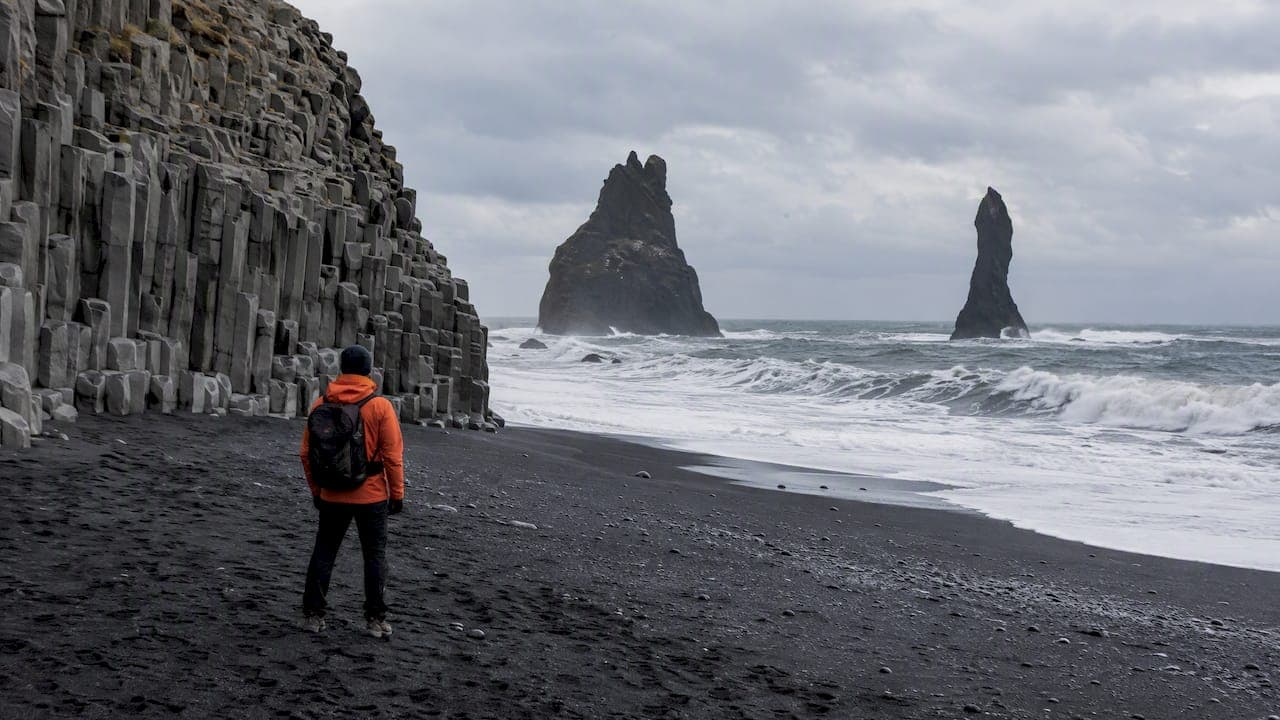
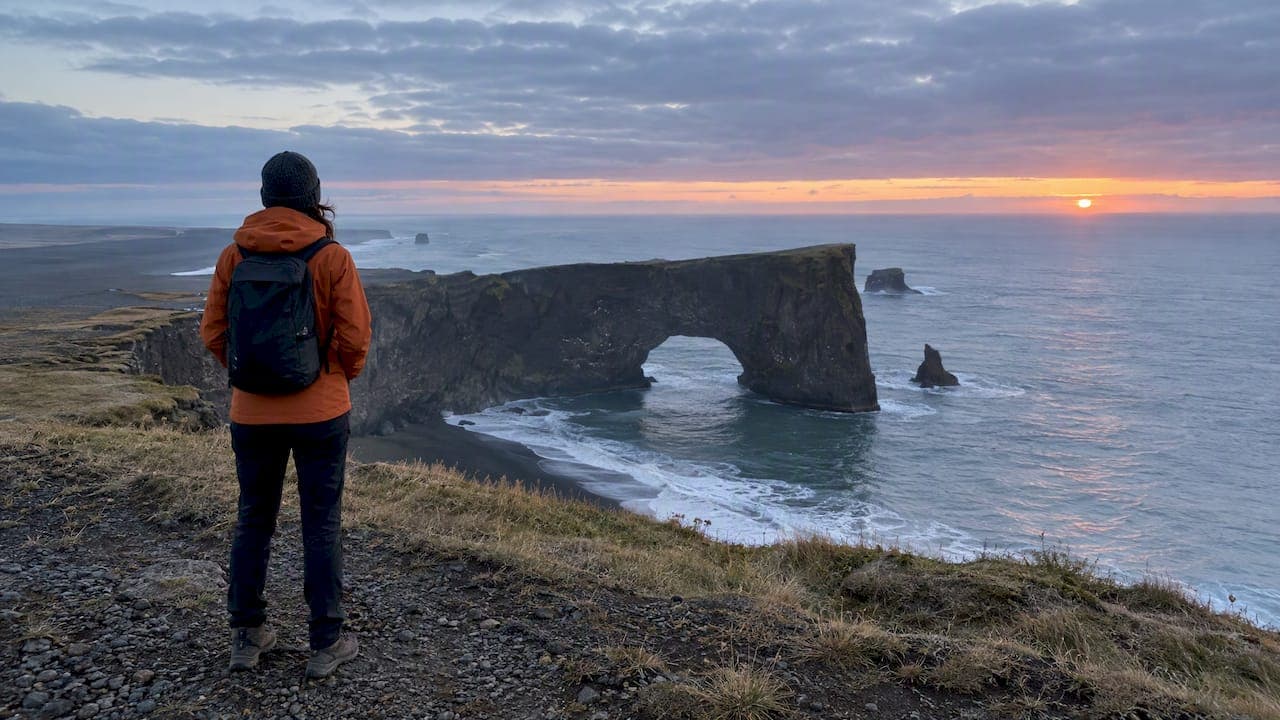
- Vík: the last real town with groceries, gas, and restaurants before the terrain gets sparse; ideal for early visits to Reynisfjara and Dyrhólaey.
- Kirkjubæjarklaustur: a quiet midpoint about 70 km east of Vík that breaks up the long haul toward the glacier lagoon.
- Glacier-lagoon area (Jökulsárlón/Skaftafell): the tightest lodging market on the whole route, and the one you should lock in first.
- Höfn: a full-service fishing town at the end of the stretch, useful both as a finish line and a fallback when the lagoon area is booked solid.
Choose Vík when you want an early crack at the black sand beaches before tour buses arrive, or when you’re arriving from Reykjavík later in the day and don’t want to push further east in fading light. Choose Kirkjubæjarklaustur when your legs are long. Splitting a five or six-hour drive into two shorter days, rather than doing it all after a full morning of sightseeing, is a habit seasoned travel writers specifically call out as the fix for the exhausting Vík to Höfn stretch. Choose the glacier-lagoon area when photography, glacier hikes, or a boat tour on the lagoon is the actual point of your trip. Choose Höfn when you want a real town with options at the end of a long day, or when everything closer to the lagoon is sold out.
Food and fuel thin out fast east of Vík. Kirkjubæjarklaustur has a gas station and a couple of restaurants, but nothing like Vík’s selection. Past that, until you reach Höfn, you’re largely relying on whatever your guesthouse or hotel serves, which is exactly why kitchen access and on-site restaurants become deciding factors rather than nice extras.
Where to Sleep in Vík and Why It Matters So Much
Vík punches above its size because of geography, not because it’s large. It’s the last stop with a real supermarket, multiple gas stations, and a proper restaurant scene before the landscape opens into farmland and lava fields. That makes it the natural staging point for Reynisfjara’s black sand beach and the Dyrhólaey cliffs, both a short drive away and best visited early, before the day-tour crowds from Reykjavík roll in.
Lodging in and around Vík splits into two camps. Hostels and hostel-style stays, including Fox Hostel in nearby Hrífunes Nature Park, suit travelers who want a social base and don’t mind dorm-style rooms, with the option to book an entire room privately if you’re a couple, family, or small group. Private hotels and guesthouses in Vík itself suit travelers who want a standard hotel room and don’t need the communal atmosphere.
- Hostels/dorm stays: budget-friendly, social, flexible for groups via room buyouts.
- Guesthouses: mid-range, private bathrooms, quieter.
- Hotels: highest price point, most consistent amenities.
Book Vík-area rooms as early as you book the glacier lagoon, if not before. Rooms here go fast in summer because everyone passing through the south coast funnels through this one town.
Pro Tip: Stock up on snacks, water, and any specific groceries you’ll want in the next two days before you leave Vík. Once you’re past Kirkjubæjarklaustur, options get thin until Höfn.
Is Kirkjubæjarklaustur Worth a Night on the Way East?
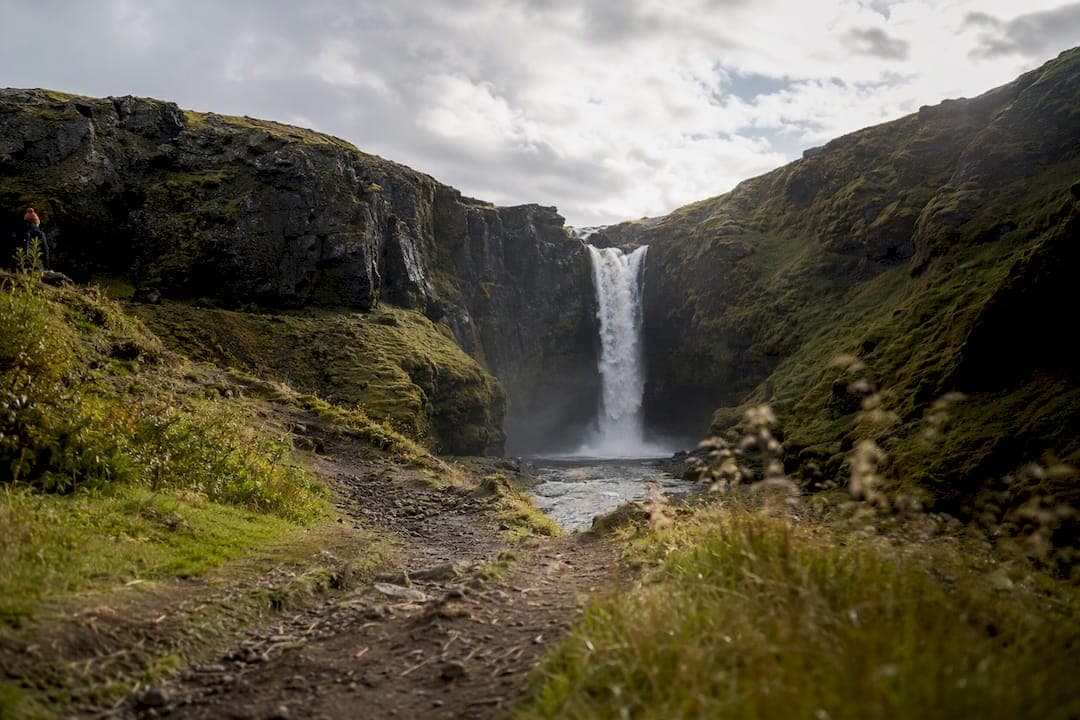
Kirkjubæjarklaustur, often shortened to “Klaustur” by drivers who don’t want to sound out the whole name, sits about 70 km east of Vík. Its main job on this itinerary is breaking a long day into two manageable ones. Instead of driving straight from Vík to the glacier lagoon (a stretch that eats up several hours once you factor in stops at Fjaðrárgljúfur canyon and other roadside attractions), you sleep here first and arrive at Jökulsárlón fresh and in daylight.
Lodging options include small hotels, farm guesthouses, and a scattering of countryside cottages. Fosshotel Núpar, just outside town, comes up repeatedly in traveler reviews as a convenient overnight stop for exactly this reason.
- Small hotels: consistent quality, usually with an attached restaurant.
- Farm stays and guesthouses: quieter, often with kitchen access.
- Countryside cottages: good for groups wanting privacy and self-catering.
The tradeoff is variety. Kirkjubæjarklaustur has far fewer restaurants than Vík, so check whether your lodging serves dinner before you commit, or plan to arrive with food already in the car.
Where to Stay Near Jökulsárlón and Skaftafell
This corridor sells out faster than anywhere else on the route, and the reason is simple math: demand from Ring Road travelers is high, and the number of rooms within a short drive of the lagoon is small. Guides to covering this stretch consistently recommend booking the glacier-lagoon area first, treating it as the priority booking, with Vík as the second most urgent.
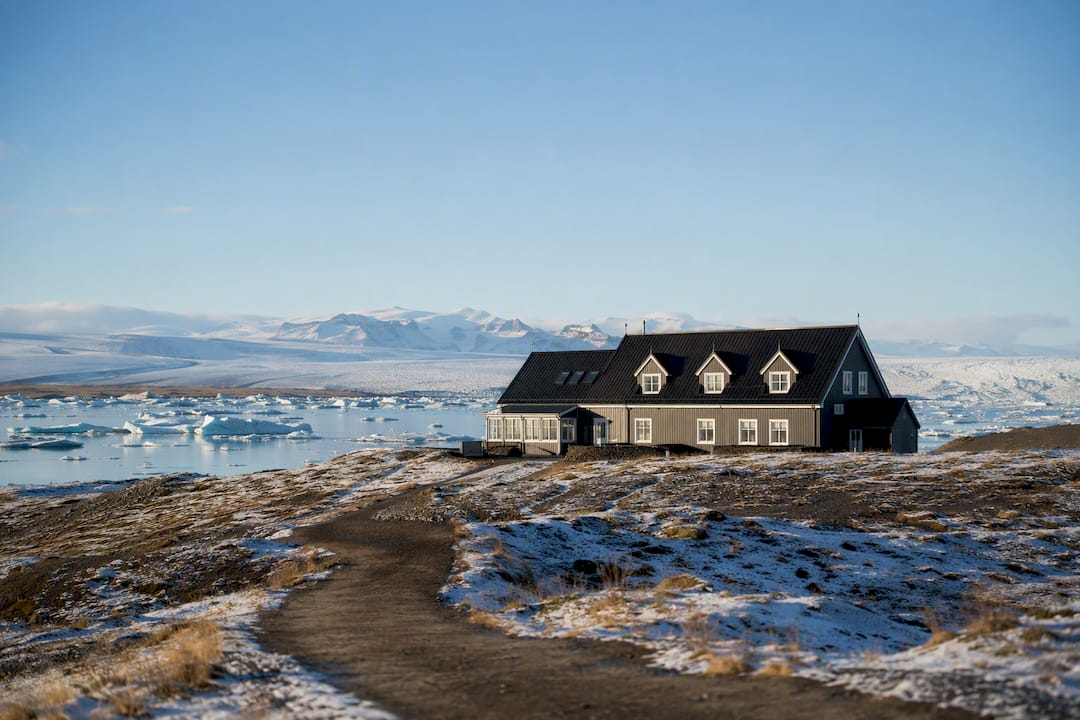
Book this area at least three months ahead for a summer visit, and earlier still if you’re chasing the Northern Lights in winter. Demand on the South Coast, especially near Jökulsárlón, consistently outstrips supply, which means waiting until a month before your trip often leaves you with nothing closer than Kirkjubæjarklaustur or Höfn.
Staying close to the lagoon has a real payoff beyond convenience. Dawn and dusk light on the icebergs is the reason most photographers make this detour in the first place, and being five minutes away instead of forty-five means you can actually catch it without setting an alarm for 3 a.m.
Lodging here leans toward farm stays, small hotels, and a handful of larger properties like Hali Country Hotel that sit right along the approach to the lagoon.
- Farm stays: intimate, often family-run, limited rooms.
- Small hotels: the most common option, book fast.
- Larger hotel-style properties: more rooms, still limited overall supply.
Check whether a property has its own restaurant or at least a guest kitchen. Once you’re this far east, there’s no backup restaurant down the street. If everything near the lagoon is booked, fall back to Kirkjubæjarklaustur to the west or Höfn to the east rather than trying to squeeze into a full property.
Should You Stay in Höfn Instead?
Höfn works as both a destination and a safety net. It’s a genuine fishing town with multiple hotels, supermarkets, gas stations, and restaurants, which makes it the most reliable stop on the entire route east of Vík. It’s also famous for langoustine, and several south coast guides point to Höfn’s seafood scene as one of the better dining stops on the Ring Road.
Choose Höfn when you want to unwind after a full day at the glacier lagoon and Diamond Beach, or when lodging closer to the lagoon is already sold out by the time you book. It’s also the natural pick if your next stop is further east into the fjords, since it’s the last town with this level of service before things thin out again.
- Multiple hotel options, from budget to upscale.
- Reliable supermarkets and fuel, useful for restocking before continuing east.
- A genuine restaurant scene, not just gas-station food.
If your route continues past Höfn into the East Fjords, top off your tank and groceries here. What’s ahead has far fewer services, and Höfn is your last real chance to prepare.
When to Book and How Far Ahead
Summer is unforgiving on this route. Lock in the glacier-lagoon area and Vík at least three months ahead of a summer trip, since that’s the minimum lead time travel sites recommend before rooms in the highest-demand zones disappear. Winter aurora season isn’t far behind. Popular aurora-viewing lodges book out weeks or months in advance, so don’t assume off-season means last-minute availability.
A few booking strategies make a real difference:
- Split nights rather than pushing one long drive. It protects both your sanity and your safety margin.
- Confirm whether a property has an on-site restaurant or a guest kitchen before booking anything east of Vík.
- Look for flexible cancellation policies in winter, when road closures can force a change of plans.
Pro Tip: If you’re building the itinerary yourself, a guide like Too Good Travel’s Ring Road planning resource is worth a look for how it sequences bookings around peak-demand zones.
How Far Is It, Really, From Reykjavík to Höfn?
Map software says six hours. Reality says otherwise once you factor in waterfalls, black sand beaches, and the inevitable stop for photos at every third bridge.
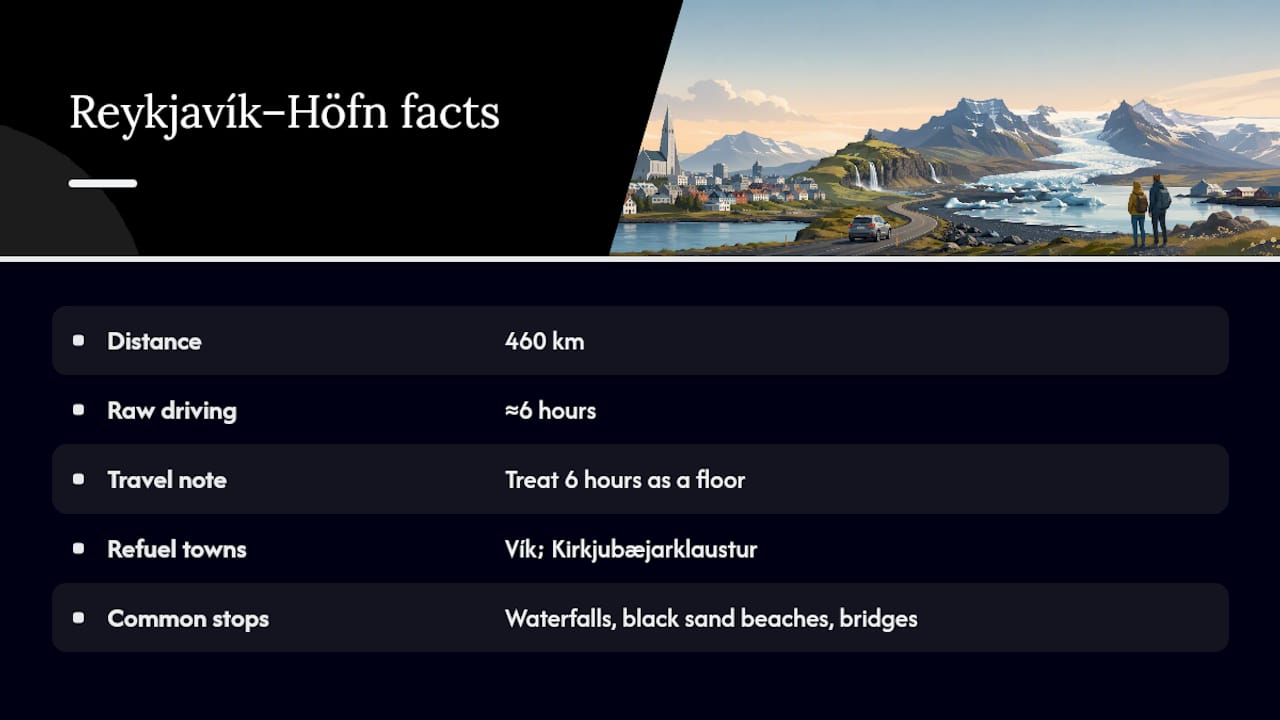
The full Reykjavík to Höfn distance runs about 460 km, with roughly 6 hours of raw driving, but treat that number as a floor, not a target. Don’t schedule a three-hour drive as the last item after a full day of hiking and beach walking. Refuel and restock in Vík or Kirkjubæjarklaustur, since food and gas options past those two towns are limited until you reach Höfn.
How Do You Actually Decide Where to Stop?
Run through these questions before you book anything:
- How far is this stop from tomorrow’s first attraction? A room 40 minutes from the glacier lagoon defeats the purpose of staying “nearby.”
- Does it have a kitchen or a restaurant? East of Vík, this stops being a preference and starts being a logistics question.
- Can you buy out a private room if you’re a group or couple? Dorm-style hostels with buyout options often beat a cramped double at a pricier hotel.
- Are the skies dark enough for aurora viewing if that matters to you? Towns like Vík have some light pollution; countryside properties usually don’t.
- What’s the price relative to what you’re actually getting? A basic guesthouse charging hotel prices because it’s “the only one left” is a sign to check nearby towns instead.
Red flags worth heeding: no listed check-in process for late arrivals, no way to confirm dinner availability, and reviews mentioning a long unlit gravel road with no signage. Any of those should send you back to the shortlist.
Why Fox Hostel Fits This Route So Well
Fox Hostel sits in a converted barn in Hrífunes Nature Park, about 35 minutes east of Vík, which puts it right in the corridor most road-trippers are trying to solve for: close enough to Vík’s services, but positioned as a head start toward Kirkjubæjarklaustur and the glacier lagoon the next morning.
Guests get a working farm-turned-hostel setup: dorm beds for solo travelers, full-room buyouts for couples and families, a large communal kitchen, an on-site pizzeria, and dark skies clear enough for genuine Northern Lights viewing on a good night.
Who it suits:
- Solo travelers who want a social base rather than an isolated guesthouse.
- Couples, families, or small groups who want privacy through a room buyout without paying hotel rates.
- Budget-conscious road-trippers who need a strategic midpoint before pushing toward Jökulsárlón.
In practice, that means booking Fox Hostel for the Vík leg, using its early-morning position to reach Reynisfjara before the crowds, then continuing east with a head start on the long stretch toward the glacier lagoon. For groups splitting costs, a room buyout often works out cheaper per person than separate hotel rooms.
Recommended Stopping Points Before You Even Reach Vík
The Reykjavík to Höfn conversation usually skips straight to Vík, but the drive out of the capital has its own decision points. If you’re leaving Reykjavík late in the day, or you want to break up the first leg, Selfoss and the wider Golden Circle area offer a reasonable first stop with full services and short access to Þingvellir, Geysir, and Gullfoss.
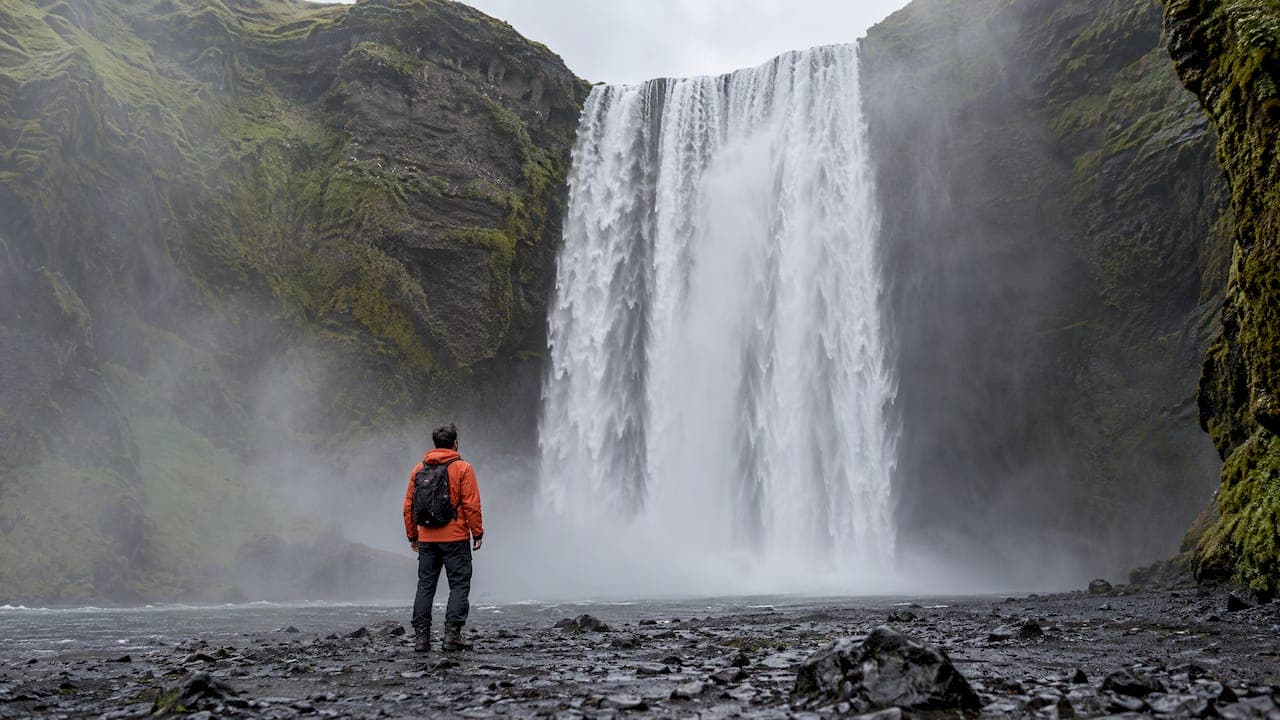
Beyond Selfoss, small towns like Hella and Hvolsvöllur sit along Route 1 and work well if you want to see Seljalandsfoss and Skógafoss waterfalls without rushing straight to Vík in one push. Both towns have gas stations, basic groceries, and a handful of guesthouses, though nothing close to Vík’s range of options.
For most travelers, one night somewhere between Reykjavík and Vík isn’t strictly necessary. The drive to Vík is only about 2.5 hours, and plenty of people do it in a single day with stops at the two waterfalls along the way. But if your flight lands late, or you’re traveling with kids and want shorter driving stretches, breaking the trip with a night near Hvolsvöllur or Selfoss keeps the pace comfortable rather than rushed. A resource like Fox Hostel’s guide to planning a south coast itinerary walks through how to sequence these early stops against the rest of the route.
Planning Around Daylight and Weather
Iceland’s daylight swings hard by season, and that alone should shape where you stop. In June, you’ll have close to 24 hours of light, which means you can afford a later check-in and still catch golden hour at Reynisfjara or the glacier lagoon. In December, you might get five or six hours of usable daylight, and driving in the dark on unfamiliar roads is a different experience entirely.
Plan winter stops with the short daylight window as your hard constraint, not an afterthought. If sunset is at 4:30 p.m., you want to be checked in, or at least close to your lodging, well before then. That often means choosing a stop that feels “too early” by summer standards but is exactly right for winter.
Weather adds its own layer. Wind and snow can close sections of Route 1, especially around exposed stretches near Vík and out toward the glacier lagoon. Check Iceland’s road conditions site or a local forecast the morning of your drive, not the night before, since conditions can shift overnight.
A practical rule that seasoned drivers follow: build your overnight stops around realistic daylight and weather margins, not the shortest possible drive time. It’s the difference between a scenic day and a stressful one spent driving through a whiteout looking for a turn-off.
Staying Flexible When Roads or Weather Change Plans
Rigid itineraries fall apart fast on this route, and the drivers who handle it best are the ones who built in slack from the start. If a storm closes a section of Route 1 near Vík or Kirkjubæjarklaustur, your best move is usually to sit tight in whichever town you’re already in rather than push through.
That’s part of why booking with flexible cancellation matters, especially in winter. A property that lets you shift your date by a day without penalty is worth more than a marginally cheaper rate with no flexibility. If the glacier-lagoon area gets cut off, doubling back to Kirkjubæjarklaustur or pushing on to Höfn are both reasonable fallbacks rather than admissions of failure.
Build one buffer day into any itinerary longer than four days. It doesn’t need a fixed plan; it just needs to exist, so a closed road or a canceled glacier tour doesn’t collapse the rest of your trip. Most experienced Ring Road travelers treat this buffer as non-negotiable rather than a nice extra.
Getting Around Each Stop Without a Car
Nearly everyone doing this route drives, and for good reason: public transport between these towns is thin. That said, transport and accessibility still vary meaningfully stop to stop.
Vík has the most walkable core of any town on this stretch, with the bus stop, shops, and several accommodations within easy walking distance. Reynisfjara and Dyrhólaey, though, require a car or a booked tour, since there’s no local shuttle service. Kirkjubæjarklaustur is smaller and more spread out, and most lodging outside the town center assumes you have your own vehicle. The glacier-lagoon area is the least walkable of all. Farm stays and small hotels here are often several kilometers from the lagoon itself, so a car (or a pre-arranged tour pickup) is close to mandatory. Höfn, by contrast, has a compact center where you can walk between your hotel, dinner, and the harbor without much trouble.
If you’re not driving, Reykjavík Excursions and similar bus services run limited seasonal routes along the south coast, but schedules are sparse and won’t get you to most glacier-lagoon lodging. For nearly all travelers on this route, a rental car remains the only practical way to reach every stop on your own schedule.
A Simple Rhythm That Works for Most Trips
For a five night version of this route, sleep in Vík, then Kirkjubæjarklaustur, then two nights near the glacier lagoon, then Höfn. Splitting the Vík and glacier-lagoon nights, rather than trying to do both in one long push, cuts out the rushed late driving that ruins photos and patience alike. Build in one buffer day for weather. Iceland’s south coast doesn’t always cooperate with a fixed schedule, and a spare night saves the whole trip when a storm rolls in.
— Siggi
Book the Vík Leg of Your Trip at Fox Hostel
Fox Hostel solves the exact problem this guide keeps circling back to: where to sleep near Vík without overpaying for a standard hotel room or gambling on last-minute availability. You get a converted barn in Hrífunes Nature Park, a communal kitchen big enough to actually cook a real meal after a long driving day, an on-site pizzeria for the nights you don’t feel like cooking, and dark skies that make the aurora worth staying up for.

Solo travelers can book a single dorm bed and land in a genuinely social atmosphere with other road-trippers doing the same route. Couples, families, and small groups can buy out an entire room for privacy without the price jump of a full hotel. If you specifically want a private bathroom and zero shared space under any circumstances, a standard hotel in Vík proper is the better fit, but for most travelers moving fast through the south coast, Fox Hostel covers the Vík leg better than anything else on this stretch. Check dates and book your room directly through Fox Hostel’s booking page before summer availability tightens up.