Holidays to See Northern Lights: Best Trips to Book
Holidays to See Northern Lights: Best Trips to Book
TL;DR:
- Booking multi-night guided aurora chases from rural bases increases the chances of seeing the lights, unlike city tours.
- Choosing the right destination depends on preferred activities and landscape, with Iceland and Norway offering reliable options.
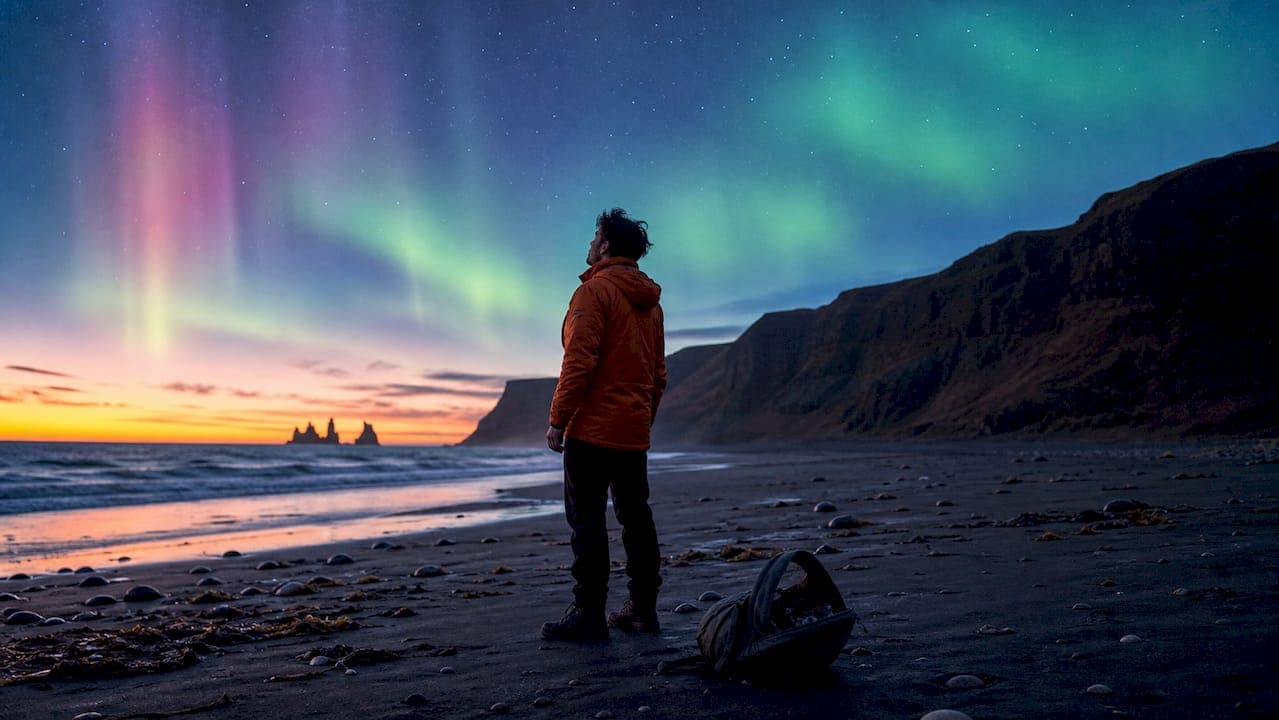
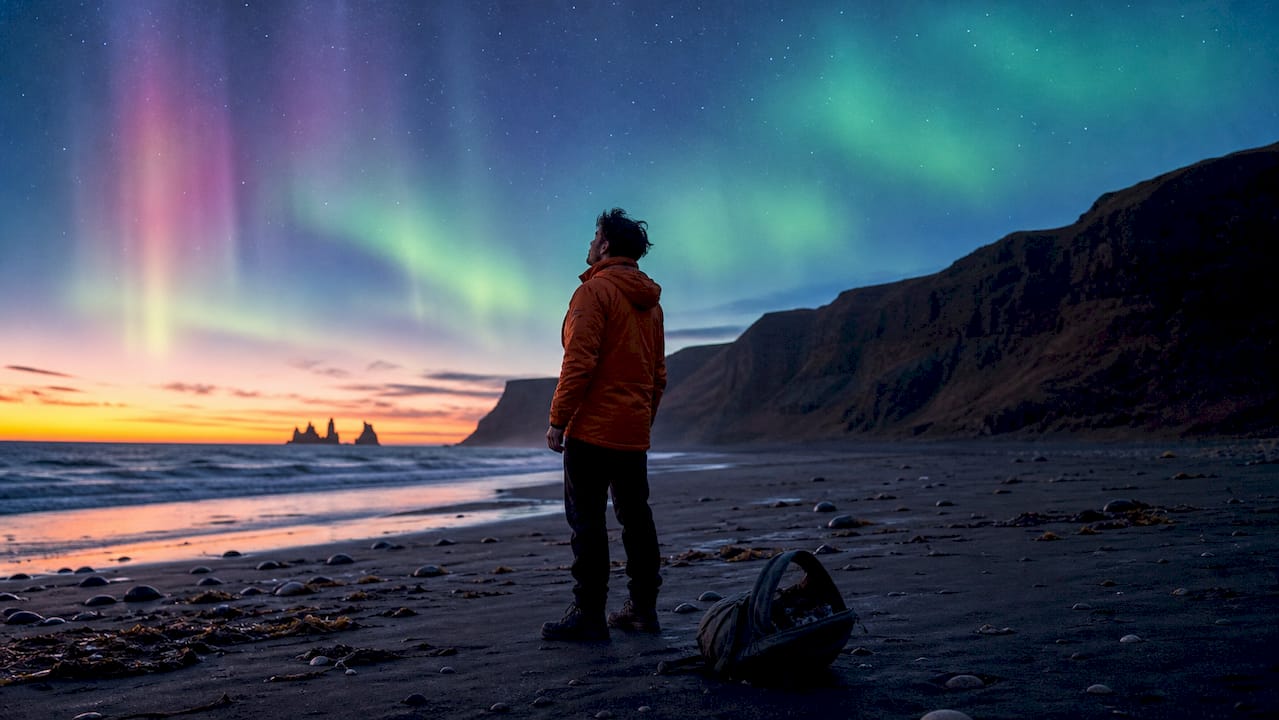
For the best odds of seeing the aurora, book a multi-night small-group guided chase based in rural Iceland or Norway — not a single-night city tour. The combination of mobility, multiple chase nights, and dark-sky accommodation is what separates a trip where you actually see the lights from one where you stare at clouds from a hotel window.
Best options by traveler type:
- Solo travelers: Small-group guided chase from a hostel base (Iceland or Tromsø). You avoid single-supplement costs and gain a social experience with other aurora hunters.
- Photographers: 7+ night photography-focused package with coaching, a sturdy tripod, and a rural base well away from light pollution.
- Families: Lodge-based package in Finnish or Swedish Lapland, where glass igloos and daytime activities (husky safaris, snowmobiling) keep everyone happy on cloudy nights.
- Budget groups: Book individual beds or a whole-room buyout at a rural hostel like Fox Hostel in South Iceland, then add a local guided chase separately.
- Luxury travelers: All-inclusive Arctic lodge with private guided chases, thermal suits, and full-board stays.
For Iceland stays, Fox Hostel in Hrífunes Nature Park sits under genuinely dark skies, 35 minutes east of Vík, and offers flexible booking for solo beds or full-room group buyouts.
Pro Tip: Book your accommodation and guided chase separately. Bundled city-break packages often include just one guided outing — rural bases with multiple chase nights give you far better odds.
Table of Contents
- Where should you go for a Northern Lights holiday?
- When is the best time to book a Northern Lights trip?
- What types of Northern Lights holidays are available?
- How do you choose and book the right Northern Lights holiday?
- What do sample Northern Lights itineraries look like?
- Why Fox Hostel is a strong base for an Iceland aurora holiday
- What should you pack and expect on a Northern Lights holiday?
- What are the cancellation and rebooking policies for Northern Lights holidays?
- Key Takeaways
- Why the “guarantee” framing misses the point
- Fox Hostel: your Iceland aurora base, ready to book
- Useful sources and further reading
Where should you go for a Northern Lights holiday?
The five regions below cover the full range of aurora holidays, from accessible city-break gateways to remote Arctic wilderness. Each has a distinct character, and the right choice depends less on which has the “best” lights and more on what you want to do when the sky is overcast.
- Iceland: The most accessible option from North America, with direct flights into Reykjavík and a well-developed tourism infrastructure. The South Coast and rural areas away from Reykjavík offer dark skies and dramatic scenery — glaciers, black sand beaches, volcanic landscapes. Typical trip duration is several nights. Gateway: Keflavík International Airport.
- Norway (Tromsø): Consistently rated one of the most reliable aurora bases in the world, sitting inside the auroral oval. Strong guided-tour infrastructure, whale watching, and fjord scenery. Typical trip lasts several nights. Gateway: Tromsø Airport.
- Finnish and Swedish Lapland: Best for families and luxury travelers. Glass igloos, husky safaris, and reindeer sledding make cloudy nights feel worthwhile. Rovaniemi (Finland) and Abisko (Sweden) are the main bases. Typical trips last multiple nights. Gateways: Rovaniemi Airport, Kiruna Airport.
- Alaska (Fairbanks): The top North American option, sitting within the auroral oval. Chena Hot Springs is a popular viewing base. Best from late September through early April. Gateway: Fairbanks International Airport.
- Canada (Yellowknife): Aurora Village near Yellowknife is one of the most purpose-built viewing destinations on the continent, with heated teepees and guided nights. Best from November through April. Gateway: Yellowknife Airport.
Pro Tip: Choose your destination based on the daytime activities and scenery you want. Choose your holiday type (guided chase, lodge-based, self-drive) based on your sighting odds. The two decisions are independent.
When is the best time to book a Northern Lights trip?
The aurora viewing season runs from late August through mid-April across Iceland, Norway, Finland, and Alaska. November through February deliver the longest hours of darkness, which directly expands your nightly viewing window. That said, the trade-off is real: December and January bring the most darkness but also the most unsettled weather in coastal regions like Iceland and Tromsø.
Month-by-month breakdown:
- August–September: Season opens. Nights are short but skies are often clearer. Good for travelers who want milder temperatures and easier road conditions.
- October–November: Darkness builds fast. October is a sweet spot in Norway and Iceland — long enough nights, relatively stable weather, and the equinox effect can boost geomagnetic activity.
- December–January: Peak darkness. Longest viewing windows, but also the most storms. Plan for weather delays.
- February–March: A strong second peak. Days are lengthening but nights remain long, and weather often stabilizes. Many experienced aurora travelers rate February and March as the best overall months.
- April: Season winds down. Nights shorten quickly, but late April can still produce sightings at higher latitudes.
The aurora is not a nightly guarantee in any month. Sighting odds depend on solar activity, cloud cover, and your distance from light pollution — all of which vary night to night regardless of season.
Pro Tip: Book multiple nights to give guides flexibility across chase opportunities. A single-night aurora tour is a lottery. Multiple nights give guides the flexibility to wait out a cloudy evening and chase a clear window the following night.
What types of Northern Lights holidays are available?
The format of your trip matters as much as the destination. Here is how the main holiday types compare, and where each one tends to fall short.
Main holiday formats:
- Small-group guided chase: A guide drives you to clear skies, sometimes crossing significant distances in a single night. Includes thermal suits, photography coaching, and flexible routing. Best for first-timers and photographers. The guided chase format is widely regarded as the highest-odds option because mobility beats a fixed location on a cloudy night.
- Lodge or cabin-based stay: You base yourself in a remote property (glass igloo, Arctic cabin, converted barn) and watch from the property or nearby. Best for couples and families who want comfort and scenery. Lower mobility means you depend more on local weather.
- Self-drive: You rent a car and chase the lights yourself using aurora forecast apps and cloud maps. High flexibility, lower cost, but requires confidence driving on winter roads and reading forecasts.
- Cruise: Aurora cruises run along the Norwegian coast and offer a moving vantage point away from coastal light pollution. Best for travelers who want a combined scenic and wildlife experience.
- Photography-focused package: Multi-night trips with dedicated coaching sessions, manual camera settings workshops, and prime dark-sky locations. Best for serious photographers willing to invest 7+ nights.
| Holiday type | Best for | Trip length | Group size | Key inclusions | Sighting odds |
|---|---|---|---|---|---|
| Small-group guided chase is suitable for first-timers and solo travelers, with multiple nights involved, medium group sizes, thermal suits, transport, photo coaching, and generally high sighting odds due to mobility. | |||||
| Lodge or cabin-based stays suit couples, families, and luxury travelers, lasting multiple nights, with private accommodations, meals, some guided nights, and moderate sighting odds. | |||||
| Self-drive options suit independent travelers for several nights, with private car rental and accommodation, and variable sighting odds. | |||||
| Cruises cater to scenic and wildlife travelers, spanning multiple nights, often with larger groups, including cabin accommodations, meals, and guided excursions, delivering moderate sighting odds. | |||||
| Photography-focused packages target serious photographers, lasting multiple nights, typically small groups, including coaching, equipment advice, and dark-sky access, delivering high sighting odds. | |||||
| — | — | — | — | — | — |
| Small-group guided chase is suitable for first-timers and solo travelers, with multiple nights involved, medium group sizes, thermal suits, transport, photo coaching, and generally high sighting odds due to mobility. | |||||
| Lodge or cabin-based stays suit couples, families, and luxury travelers, lasting multiple nights, with private accommodations, meals, some guided nights, and moderate sighting odds. | |||||
| Self-drive options suit independent travelers for several nights, with private car rental and accommodation, and variable sighting odds. | |||||
| Cruises cater to scenic and wildlife travelers, spanning multiple nights, often with larger groups, including cabin accommodations, meals, and guided excursions, delivering moderate sighting odds. | |||||
| Photography-focused packages target serious photographers, lasting multiple nights, typically small groups, including coaching, equipment advice, and dark-sky access, delivering high sighting odds. |
Red flag: City-based packages which include only a single guided evening tour offer the weakest odds. Urban light pollution reduces visibility, and one night gives you almost no flexibility if clouds roll in.
Pro Tip: All-in-one evening packages that combine fireside meals, local storytelling, and short outdoor activities are worth the premium. If the aurora stays hidden, you still have a genuinely good night.
How do you choose and book the right Northern Lights holiday?
The single most important booking criterion is this: length plus mobility plus a clear weather-backup policy. A five-night trip with a guide willing to drive two hours for clear skies beats a seven-night luxury lodge with no chase capability.
Booking checklist:
- Confirm the number of guided chase nights. One is not enough. Look for packages that include at least two or three dedicated aurora outings.
- Ask about the operator’s mobility policy. Will guides drive significant distances to find clear skies? Do they use local weather models and aurora forecast subscriptions?
- Read the sighting guarantee terms carefully. Most reputable operators do not guarantee a sighting — they guarantee the attempt. Be skeptical of any operator that promises you will see the lights.
- Check the cancellation and rebooking policy. Weather-related cancellations are common. Confirm whether you can rebook a chase night if conditions are poor.
- Verify transport logistics. Where is the pickup point? Is it included, or do you arrange your own transfer to a remote lodge?
- Confirm safety and insurance. Self-drive winter roads in Iceland and Norway carry real risks. Check that the operator carries liability insurance and that your travel insurance covers winter driving.
- Clarify what is included. Thermal suits, meals, photography coaching, and transfers vary widely between packages.
Questions to ask the operator:
- How many chase nights are included, and what happens if all are clouded out?
- What is your rebooking or refund policy for weather cancellations?
- Do you have a local emergency contact available throughout the trip?
- What is the maximum group size on a chase night?
Red flags: Vague pickup information, no named local contact, single-night guarantee language, and operators who cannot explain their weather-backup plan.
Price ranges: Short city breaks (3 nights, one guided tour) typically run lower than extended packages. Multi-night small-group chases with full inclusions sit in a mid-range band. Photography-focused or luxury lodge packages with private guiding represent the top end. The biggest price drivers are season (peak winter costs more), inclusions (thermal suits and meals add up), and private versus group format.
Booking Iceland well in advance is especially important for peak months — November through February fills fast, and the best rural accommodation and small-group chase slots go early.
What do sample Northern Lights itineraries look like?
Three formats cover most traveler needs. Each can be adapted around weather or extended with daytime add-ons.
Option A: 3–4 night short break (city gateway + guided evening)
Day-by-day highlights:
- Day 1: Arrive Reykjavík or Tromsø. Transfer to accommodation. Orientation walk.
- Day 2: Daytime city or cultural activities. Evening guided aurora chase (transport included).
- Day 3: Day tour (glacier walk, whale watching, or fjord cruise). Second aurora attempt if weather allows.
- Day 4: Departure.
Key inclusions: Accommodation (3 nights), one or two guided aurora outings, airport transfers. Cost band: Lower end of the market. Good for first-timers testing the experience. Booking note: City-break packages typically include one guided outing. If you want a second attempt, book it separately on arrival. Extend to 5 nights if your schedule allows.
Option B: 5–7 night small-group chase (multiple chase nights)
Day-by-day highlights:
- Day 1: Arrive and transfer to rural base (e.g., South Iceland or outside Tromsø).
- Days 2–5: Mix of daytime activities (glacier lagoon, black sand beach, snowmobiling) and three or four dedicated evening chase nights with a local guide.
- Day 6: Buffer day — extra chase night or cultural activity depending on conditions.
- Day 7: Departure.
Key inclusions: Rural accommodation, three or more guided chase nights, thermal suits, transfers, some meals. Cost band: Mid-range. The best value-per-sighting-chance format for most travelers. Booking note: Combining aurora opportunities with daytime activities means the trip delivers regardless of nightly conditions. Add rafting or South Coast day tours if basing in Iceland.
Option C: 7+ night photography-focused package
Day-by-day highlights:
- Days 1–2: Arrive, settle into remote base, equipment check and settings workshop.
- Days 3–6: Four or five prime chase nights with photography coaching; daytime landscape shoots.
- Days 7–8: Review sessions, final chase nights, departure prep.
Key inclusions: Remote accommodation, daily photography coaching, five or more guided chase nights, all transfers, most meals. Cost band: Top end. Worth it for photographers who want to leave with publishable images. Booking note: Bring your own DSLR or mirrorless camera, a sturdy tripod, and a remote shutter. Coaching covers manual long-exposure settings, but the equipment is yours to supply. Check our step-by-step Iceland photography guide before you go.
Why Fox Hostel is a strong base for an Iceland aurora holiday
Fox Hostel sits in Hrífunes Nature Park, 35 minutes east of Vík, in one of the darkest stretches of South Iceland’s Ring Road corridor. That location is not incidental. Light pollution is minimal, the horizon is wide, and the hostel’s converted barn design opens onto open farmland with unobstructed sky views.
What makes it work for aurora travelers:
- Dark-sky vantage: No competing town lights. Step outside and you are already in a prime viewing position on a clear night.
- Flexible booking: Solo travelers book individual beds. Groups and couples can buy out an entire room for privacy without paying hotel rates.
- Social atmosphere: The communal kitchen and on-site pizzeria mean you share forecast updates, photography tips, and post-chase stories with other travelers. For solo aurora hunters, that social layer is genuinely valuable.
- South Coast access: Reynisfjara Black Sand Beach, Dyrhólaey, Jökulsárlón Glacier Lagoon, and Vatnajökull National Park are all within day-trip range. Cloudy nights become productive days.
- Local knowledge: The team at Fox Hostel tracks local forecasts and can point you toward the best nearby vantage points on short notice.
“The Northern Lights are usually not visible in areas with light pollution, and their appearance depends on a range of unpredictable atmospheric conditions, like solar activity, cloud coverage, and geomagnetic forecasts. That’s why I highly recommend booking a guided Northern Lights tour — local guides are experts at reading the sky and weather conditions, they’ll literally drive for hours to find a clear sky if needed.” — solo traveler account, Tromsø
For photography, South Iceland’s flat lava fields and coastal cliffs give you foreground interest that Scandinavian forest locations often lack. Check the best Northern Lights spots in Iceland guide for specific vantage points along the South Coast.
Nearest airport: Keflavík International Airport, approximately 3.5 hours west by car. Most guests rent a car at the airport and drive the Ring Road east. Shuttle services to Vík are also available, with local taxi transfers to the hostel.
Pro Tip: A tripod and manual long-exposure settings are non-negotiable for aurora photography. Merino base layers keep you warm during the long stationary waits that good shots require. Pack spare batteries — cold drains them fast.
What should you pack and expect on a Northern Lights holiday?
The single most important non-booking preparation is layering for cold and staying mobile. You cannot predict which night the sky will clear, so you need to be ready to go out on short notice, stand still for extended periods, and potentially travel to a different location mid-evening.
Packing checklist:
- Merino wool base layers (top and bottom) — industry standard for warmth without bulk
- Insulating mid-layer (down or synthetic jacket)
- Waterproof outer shell (jacket and pants)
- Insulated, waterproof boots rated for temperatures well below freezing
- Thermal gloves and a warm hat
- Hand warmers (chemical or rechargeable)
- Sturdy tripod
- DSLR or mirrorless camera with manual mode capability
- Remote shutter release
- Spare camera batteries (carry them in an inner pocket to keep them warm)
- Headlamp with a red-light mode (preserves night vision)
- Portable power bank
Safety and accessibility notes:
- Self-drive travelers on Icelandic or Norwegian winter roads should check road conditions daily via the Icelandic Road and Coastal Administration (road.is) or the Norwegian Public Roads Administration (vegvesen.no). F-roads in Iceland close in winter.
- Solo travelers should consider small-group tours over self-drive for safety and social reasons. Single-supplement charges on hotel-based packages can be avoided by booking hostel beds or boutique operators who price by the bed.
- Travel insurance should explicitly cover winter driving, trip cancellation due to weather, and emergency medical evacuation in remote areas.
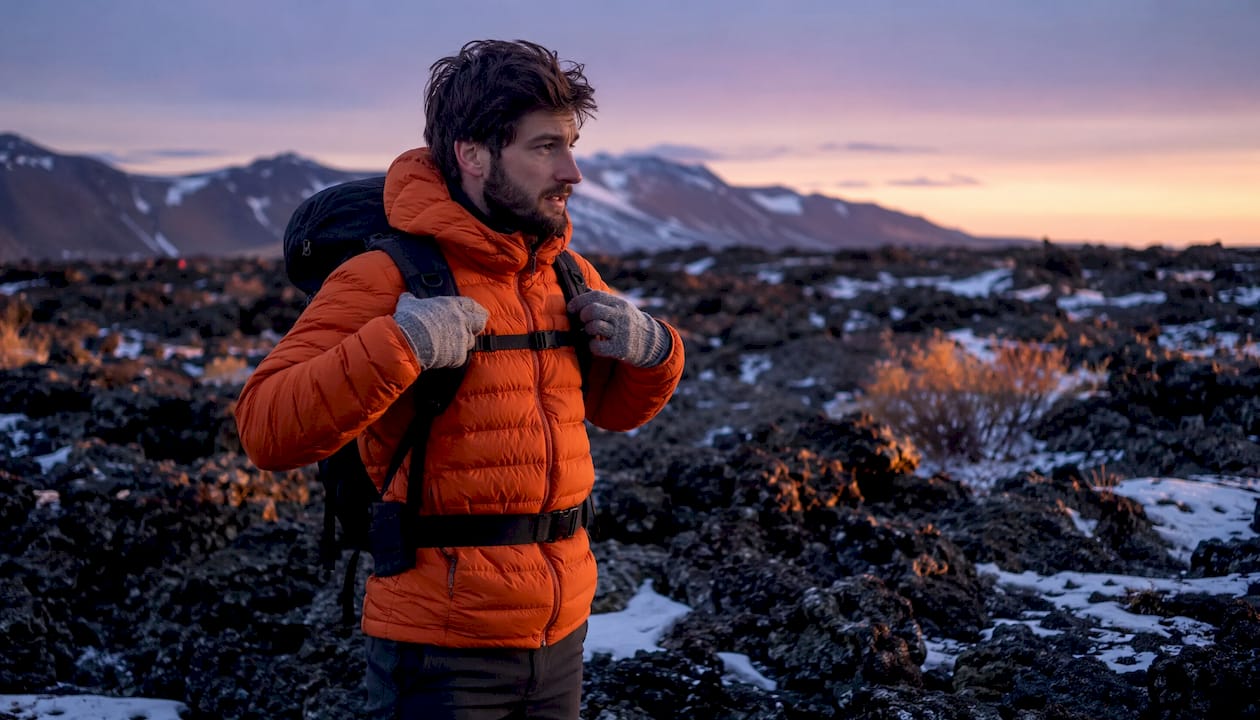
Pro Tip: Plan at least two or three daytime activities you genuinely want to do regardless of aurora conditions. A glacier hike, a black sand beach visit, or a whale-watching trip makes the whole holiday feel worthwhile even if the lights stay hidden. The aurora is the bonus, not the whole trip.
What are the cancellation and rebooking policies for Northern Lights holidays?
Weather cancellations are a routine part of aurora travel, and the policies vary significantly between operators. Understanding them before you book can save you real money and frustration.
Most reputable guided-chase operators offer a rebooking option if conditions make a chase impossible. That typically means you can shift your chase night to another evening within your stay, not that you receive a cash refund. Confirm this in writing before you pay. Some operators will offer a partial credit toward a future trip if all chase nights are lost to weather, but this is not standard practice and must be negotiated upfront.
Lodge and cabin-based packages tend to have stricter cancellation terms because the accommodation component is fixed. Standard terms often require 30–60 days’ notice for a full refund, with partial refunds or credits for cancellations closer to the travel date. Read the fine print on what counts as a weather cancellation versus a change of mind.
For self-booked trips, your cancellation exposure depends on the individual policies of your accommodation and any separately booked tours. Booking accommodation with free cancellation up to 48 hours before arrival gives you the most flexibility to adjust dates if a major storm is forecast.
Travel insurance with a “cancel for any reason” or “weather disruption” clause is the strongest protection. Standard travel insurance rarely covers cancellations due to poor aurora activity alone — that is considered a natural phenomenon, not a covered disruption. Check your policy wording carefully.
Fox Hostel’s booking terms are available directly on the Fox Hostel website — confirm current cancellation windows when you reserve, as peak-season terms may differ from shoulder-season bookings.
Key Takeaways
The best Northern Lights holidays combine a rural dark-sky base, multiple guided chase nights, and daytime activities that make the trip worthwhile regardless of aurora conditions.
| Point | Details |
|---|---|
| Season window | Late August through mid-April; November through February offer the longest nightly darkness. |
| Trip length | Book at least 4–6 nights to give guides flexibility across multiple chase opportunities. |
| Holiday type | Small-group guided chases with mobile routing deliver the highest sighting odds for most travelers. |
| Booking checklist | Confirm chase nights, mobility policy, weather-backup terms, and cancellation policy before paying. |
| Iceland base | Fox Hostel in South Iceland offers dark-sky access, flexible solo and group booking, and South Coast day-trip range. |
Why the “guarantee” framing misses the point
Most travelers shopping for Northern Lights holidays fixate on sighting guarantees. It is understandable — you are spending real money on a trip built around one natural phenomenon. But the guarantee framing is the wrong lens, and it leads people toward the wrong decisions.
The operators who promise sightings are usually selling you a longer rebooking window, not a better chance of seeing the lights on any given night. The operators who actually maximize your odds are the ones with mobile guides, multiple chase nights, and a willingness to drive two hours at midnight to find a clear patch of sky. Those two things are not the same, and conflating them is how travelers end up disappointed.
The smarter frame is this: build a trip you would enjoy even if the aurora never showed. South Iceland’s glacier lagoons, black sand beaches, and lava fields are extraordinary in their own right. Tromsø’s fjords and whale-watching are worth the flight alone. When you stop treating the aurora as the only acceptable outcome, you make better booking decisions — and you tend to enjoy the trip more, which, counterintuitively, seems to correlate with actually seeing the lights.
Fox Hostel: your Iceland aurora base, ready to book
Fox Hostel gives Iceland-bound aurora travelers something most packages cannot: a genuinely dark sky right outside the door, flexible booking that works for solo beds or full group buyouts, and a social base that makes the waiting — and the watching — far more enjoyable.
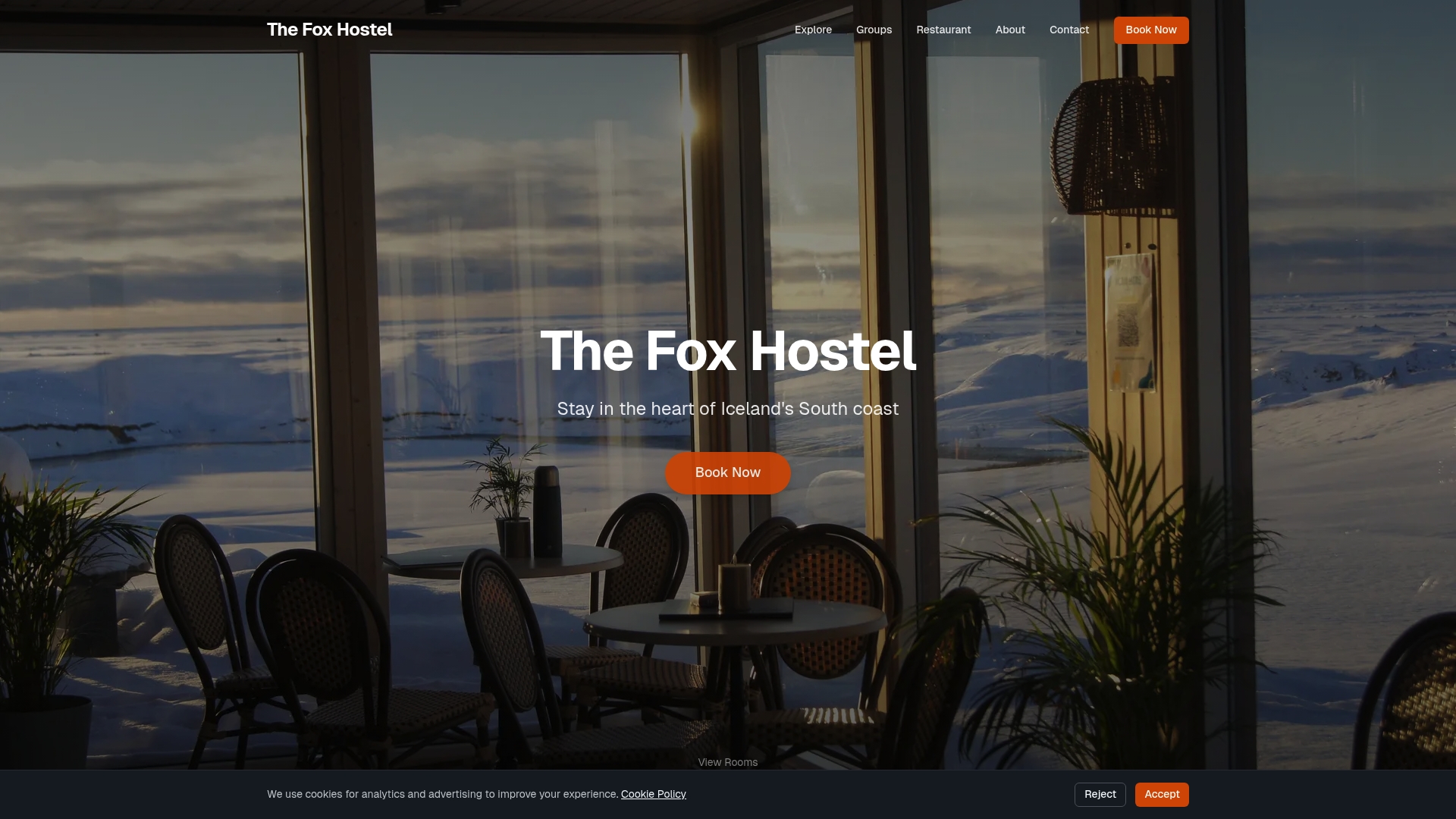
Book an individual bed if you are traveling solo and want to connect with other aurora hunters in the communal kitchen. Reserve a whole room if you are traveling as a couple, family, or small group and want privacy without hotel prices. Either way, you are 35 minutes from Vík, within day-trip range of Jökulsárlón Glacier Lagoon, and sleeping under some of the darkest skies on the South Coast.
Add-on activities available through Fox Hostel include white-water rafting and guided South Coast day tours — both worth building into your itinerary for the days when cloud cover rules out an evening chase.
Check availability and book your stay at Fox Hostel directly. For group bookings or questions about room buyouts, contact the hostel team through the website’s booking page.
Useful sources and further reading
Combine a Kp-index aurora forecast with a local cloud-cover map checked the same evening — aurora activity without clear skies is invisible, so both inputs matter equally.
- Best Northern Lights spots in Iceland: Fox Hostel guide — South Coast vantage points and route ideas
- Northern Lights Iceland webcam guide — live feeds and real-time sky checks
- Photographing Northern Lights in Iceland: step-by-step — camera settings, tripod technique, and timing
- Icelandair Northern Lights vacations — season overview and city-break package options
- Space Weather Prediction Center (NOAA) — official Kp-index and aurora forecast data
- Icelandic Meteorological Office (vedur.is) — cloud cover and weather forecasts for Iceland
- Norwegian Meteorological Institute (yr.no) — weather forecasts for Norway and Tromsø region
- Icelandic Road and Coastal Administration (road.is) — real-time road conditions for self-drive travelers
Recommended
- Northern Lights Iceland Webcam Guide for 2026 | Fox Hostel – South Iceland
- Los mejores lugares para ver auroras boreales en 2026 | Fox Hostel – South Iceland
- Northern lights season : comprendre la magie islandaise | Fox Hostel – South Iceland
- Guía de auroras boreales en Islandia 2026 | Fox Hostel – South Iceland