How to Plan a South Coast Itinerary in Iceland
How to Plan a South Coast Itinerary in Iceland
TL;DR:
- A three-day South Coast itinerary grouped by geography minimizes backtracking and maximizes experience. Travelers should allocate time for waterfalls, glaciers, beaches, and the new Viking Rafting, starting early each day to avoid delays. Staying in Vík or Foxhostel provides central access, and booking activities and accommodations in advance enhances the trip’s flow.
Iceland’s South Coast itinerary is best structured as a 2 to 3 day self-drive along Route 1 east from Reykjavík, grouping attractions by geography to eliminate backtracking and maximize time at each stop. The corridor runs from the waterfall cluster near Seljalandsfoss all the way to Jökulsárlón Glacier Lagoon, covering black sand beaches, volcanic canyons, and glacier tongues along the way. In 2026, a new adventure option joins the classic lineup: Viking Rafting at Hólmsá River in Hrífunes Nature Park, launching July 15. This guide walks you through every decision you need to make, from day allocation and driving logistics to gear, accommodations, and the best stops to prioritize.
How to plan your South Coast itinerary day by day
The most effective way to structure your trip is to follow the natural geographic clusters along Route 1, treating each day as a distinct zone rather than a random checklist. This approach cuts wasted driving time and lets you shift your gear and mindset between attraction types.
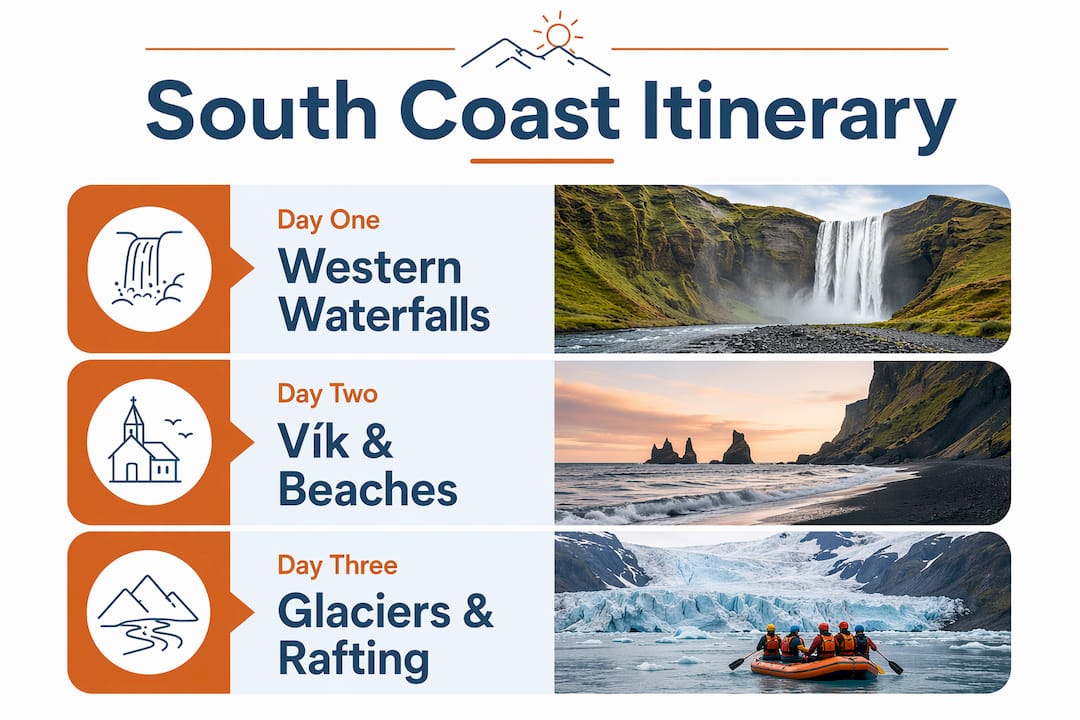
Day 1: the western waterfall cluster
Start early from Reykjavík and head straight to Seljalandsfoss. From there, the first day covers three waterfalls in close proximity:
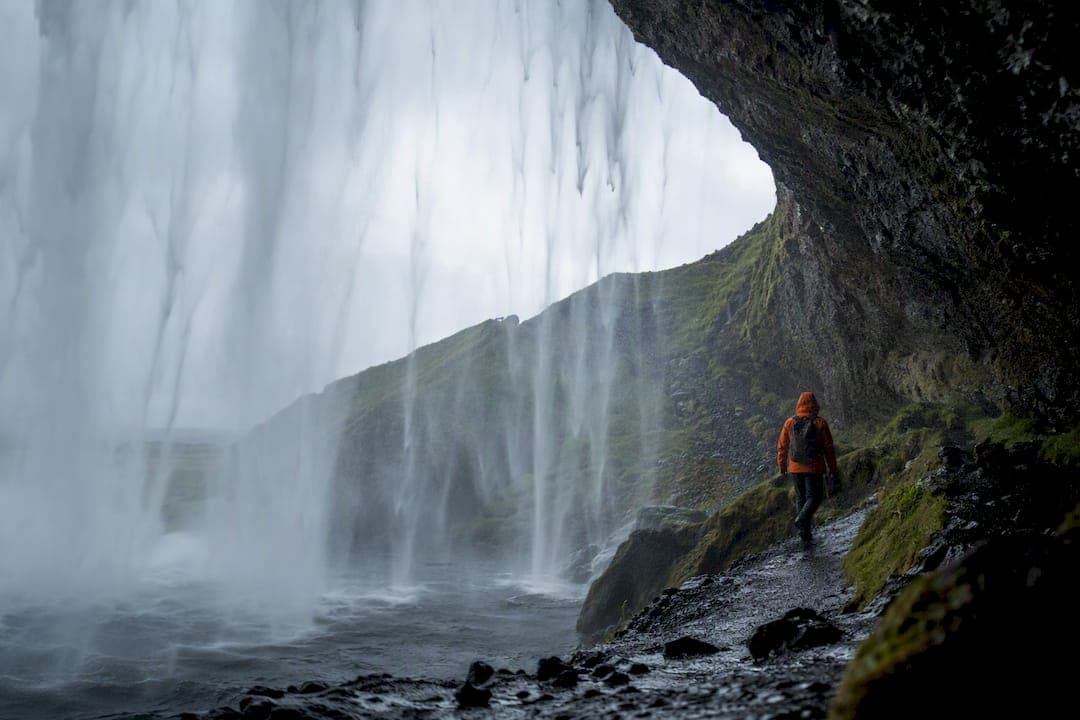
- Seljalandsfoss — Walk behind the curtain of water for a full 360-degree view. Arrive before 9 a.m. to avoid crowds and slippery conditions.
- Gljúfrabúi — Located just 500 meters north of Seljalandsfoss, this hidden canyon waterfall requires wading slightly into a gorge. It rewards the effort with near-total solitude.
- Skógafoss — A 60-meter-wide cascade with a staircase to the top. Budget 45 minutes minimum, including the climb.
After Skógafoss, continue east toward Vík for the night. The Day 1 waterfall grouping keeps all three stops within a 30-minute drive of each other, making the day feel full without feeling rushed.
Day 2: Vík, Reynisfjara, and Dyrhólaey
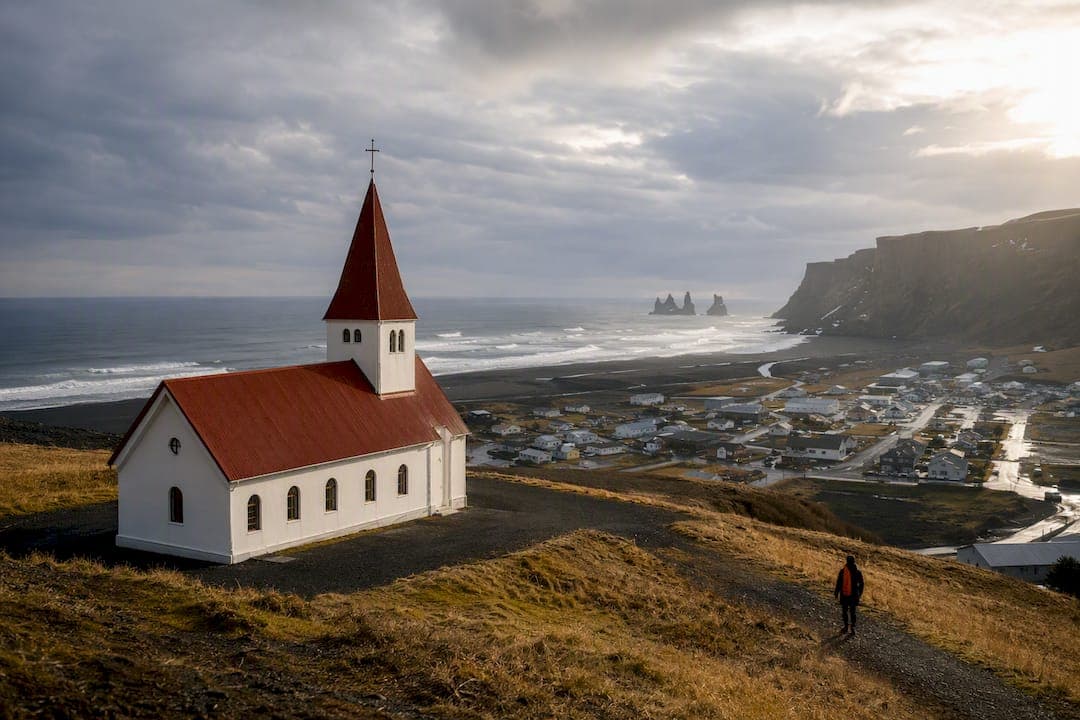
Day 2 centers on the area around Vík, Iceland’s southernmost village. Reynisfjara Black Sand Beach is the anchor stop. The basalt column formations and powerful Atlantic surf make it one of the most photographed locations in Iceland. Stay well back from the water. Sneaker waves here are genuinely dangerous, and warning signs are posted for good reason.
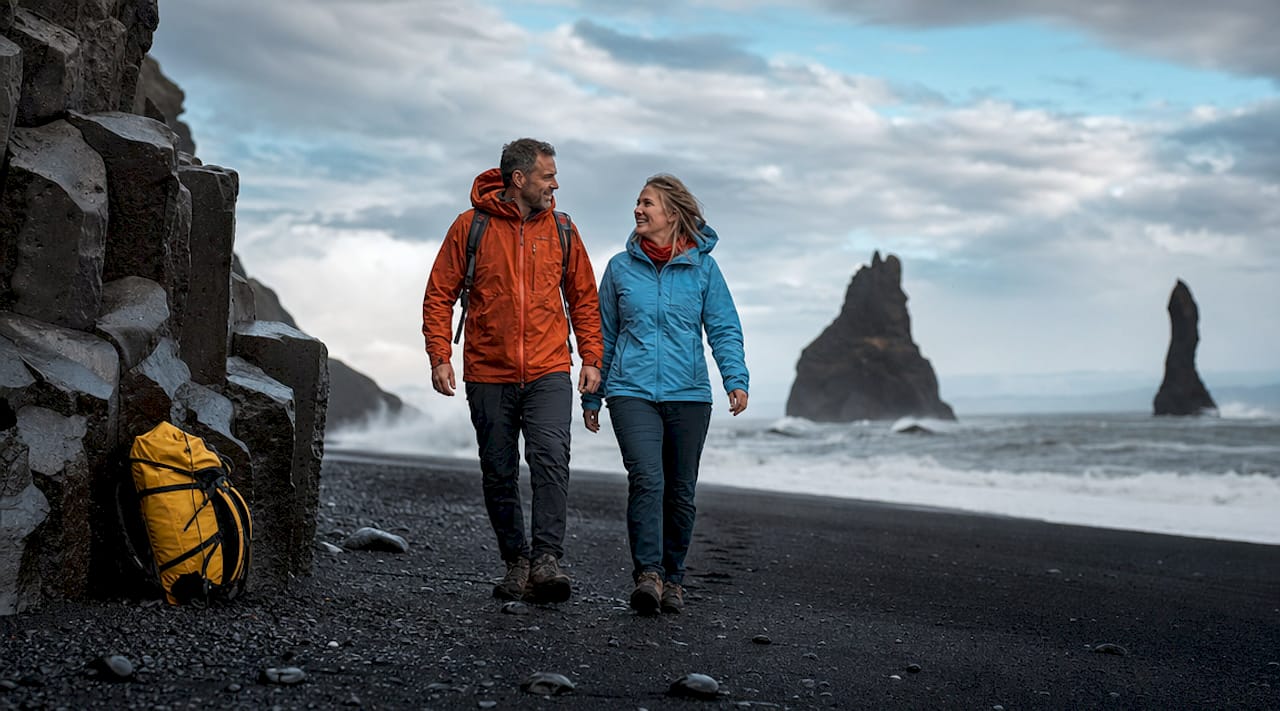
Dyrhólaey, the dramatic arch promontory west of Vík, offers panoramic views of the coastline and is a prime puffin-watching site from May through August. Fjaðrárgljúfur Canyon, roughly 30 minutes east of Vík, is an optional add-on that fits naturally at the end of Day 2 if you have energy left. The canyon walls drop 100 meters and stretch for two kilometers, making it one of the most visually striking detours on the entire route.
Pro Tip: Pack your waterproof layers in your day bag, not your trunk. You will switch between mist-soaked waterfall walks and dry canyon hikes multiple times per day.
Day 3: glaciers, lagoons, and rafting at Hólmsá
The third day pushes east into glacier territory. Skaftafell, inside Vatnajökull National Park, is the first major stop. Guided glacier hikes here run 2 to 3 hours and require crampons, which tour operators provide. Jökulsárlón Glacier Lagoon follows, where you can watch icebergs calve and drift toward the sea. Diamond Beach, directly across the road, is where those same icebergs wash ashore and catch the light.
Starting July 15, 2026, Viking Rafting offers whitewater rafting on the Hólmsá River in Hrífunes Nature Park. This is a genuinely new addition to the South Coast activity roster and fits naturally into a Day 3 schedule for travelers staying in the area. The Hólmsá is a glacially fed river, which means cold water and strong current. Book in advance since capacity is limited and summer slots fill quickly.

What you need to know about driving distances and timing
The round trip from Reykjavík to Jökulsárlón covers roughly 400 to 450 miles, with total driving time across two days reaching 8 to 9 hours before stops are added. That figure matters because most first-time travelers underestimate how quickly time disappears once you factor in parking, walking on uneven terrain, and tour check-ins.
Key driving benchmarks to build into your plan:
- Reykjavík to Seljalandsfoss: approximately 2 hours on Route 1
- Seljalandsfoss to Skógafoss: 30 minutes
- Skógafoss to Vík: 30 minutes
- Vík to Jökulsárlón: approximately 2 hours
- Vík to Hrífunes Nature Park (Hólmsá): approximately 35 minutes east
Weather on the South Coast changes fast. Wind, rain, and low visibility can close Dyrhólaey or make Reynisfjara genuinely hazardous within an hour. Check road and weather conditions on the Vegagerðin website each morning before you leave your accommodation. Build at least one flexible hour into each day to absorb delays without sacrificing a major stop.
Pro Tip: Fill your gas tank in Vík. Fuel stations east of Vík are sparse until Kirkjubæjarklaustur, roughly 70 kilometers further along Route 1.
The biggest itinerary failure most travelers make is underestimating stop friction. A 20-minute waterfall visit becomes 50 minutes once you account for parking, the walk in, photos, and the walk back. Multiply that across six stops and you have lost two hours you did not plan for.
Best South Coast attractions and how to fit them in
The South Coast’s flagship stops each have a distinct character. Knowing what makes each one unique helps you decide how long to spend and what gear to bring.
| Attraction | What makes it unique | Time needed | Key gear |
|---|---|---|---|
| Seljalandsfoss | Walk-behind waterfall experience | 45 to 60 min | Waterproof jacket, grip shoes |
| Reynisfjara Beach | Basalt columns, black sand, Atlantic surf | 45 to 60 min | Wind layer, caution near water |
| Jökulsárlón Glacier Lagoon | Floating icebergs, boat tours available | 1 to 2 hours | Warm layers, camera |
| Fjallsárlón Glacier Lagoon | Smaller, quieter, zodiac tours closer to ice | 1 to 1.5 hours | Warm layers |
| Viking Rafting at Hólmsá | New in 2026, glacially fed whitewater river | 2 to 3 hours | Provided wetsuit, book ahead |
Jökulsárlón and Fjallsárlón are often treated as interchangeable, but they serve different traveler types. Fjallsárlón is smaller and more secluded, with zodiac boat tours that get you closer to the glacier face. Jökulsárlón is larger, more dramatic, and more accessible. If you have time for only one, Jökulsárlón wins on scale. If you want a quieter, more intimate glacial experience, Fjallsárlón is the better call.
For Seljalandsfoss specifically, waterproof outerwear and sturdy shoes are required. The path behind the falls is permanently wet and the rocks are uneven. Early morning or late evening visits reduce both crowds and the risk of slipping in a rush of other tourists.
Planning around morning and evening condition windows also pays off at Reynisfjara. The beach is most photogenic in low-angle light, and the crowd volume drops sharply before 9 a.m. and after 6 p.m. in summer.
Accommodations and dining along the South Coast
Staying overnight in Vík is the single most practical decision you can make for a mid-itinerary base. The village has fuel, a grocery store, restaurants, and direct access to Reynisfjara and Dyrhólaey. It also positions you perfectly for an early start east on Day 3.
Key accommodation considerations for your South Coast trip:
- Vík area: Best for travelers splitting the trip into western and eastern halves. Central to Day 2 attractions and within easy reach of Day 3 glacier stops.
- Near Jökulsárlón: Useful if you plan to spend significant time in the glacier zone or want to catch early morning light on the lagoon. Options are limited, so book well ahead.
- Selfoss or Hvolsvöllur: Good entry-point bases if you want to break up the drive from Reykjavík on Day 1 without pushing all the way to Vík.
- Hrífunes Nature Park area: Ideal for travelers doing the Viking Rafting experience at Hólmsá, with Foxhostel located directly in the park.
Dining options thin out significantly east of Vík. Pack snacks, sandwiches, and a thermos for the glacier day. The towns of Kirkjubæjarklaustur and Höfn have restaurants, but hours can be limited outside peak summer. For hostel options on the South Coast, dorm-style accommodations offer the most flexibility for solo travelers and groups managing a tight budget without sacrificing comfort.
Booking accommodations for June through August requires at least 6 to 8 weeks of lead time. Shoulder season travelers in May or September will find more availability, cooler temperatures, and noticeably smaller crowds at every major stop.
Key takeaways
A well-planned South Coast itinerary requires 3 days, geographic clustering of stops, and early starts to avoid the compounding delays that turn a relaxed trip into a rushed one.
| Point | Details |
|---|---|
| Use 3 days, not 2 | Two days is the minimum, but three days gives you time for glacier tours and new activities like Viking Rafting. |
| Cluster by geography | Group waterfalls on Day 1, Vík area on Day 2, and glaciers on Day 3 to cut backtracking. |
| Budget for stop friction | Each stop takes 30 to 60 minutes longer than expected once parking and walking are included. |
| Stay overnight in Vík | Vík provides fuel, food, and central access to Day 2 and Day 3 attractions. |
| Book Viking Rafting early | The Hólmsá rafting experience launches July 15, 2026, with limited capacity per session. |
Why geography beats checklists every time
I have helped plan South Coast itineraries for travelers with very different paces and priorities, and the ones who struggle most are always the ones who built their schedule around a list of names rather than a map. They drive past Fjaðrárgljúfur because they ran out of time, or they skip Gljúfrabúi because they did not realize it was 500 meters from where they were already standing.
The geographic clustering approach is not just about efficiency. It changes how you experience each stop. When you are not watching the clock because you have three more places to reach before dark, you actually stand at Skógafoss long enough to feel the mist and hear the roar. That is the version of Iceland people come back for.
The addition of Viking Rafting at Hólmsá in Hrífunes Nature Park is genuinely exciting for itinerary builders. It gives Day 3 a physical, adrenaline-driven counterpoint to the visual grandeur of Jökulsárlón. The Hólmsá is a cold, fast river, and the experience is not a gentle float. That contrast, glacial ice in the morning and whitewater in the afternoon, is the kind of day that defines a trip.
My honest advice: build your itinerary around scenic stops near Vík as your anchor, then extend east based on how much time you have. Do not try to do everything. Pick the stops that match your pace, book your rafting slot early, and leave one afternoon unscheduled. Iceland will fill it for you.
— Trygve
Stay at the center of it all with Foxhostel
Planning where to sleep is as important as planning what to see. Foxhostel sits inside Hrífunes Nature Park, 35 minutes east of Vík, putting you within reach of Reynisfjara, Dyrhólaey, Jökulsárlón, and the new Viking Rafting experience at Hólmsá all from one base. The hostel is set in a converted Icelandic barn with dorm rooms, a fully equipped communal kitchen, an on-site pizzeria, and dark skies built for Northern Lights viewing. Solo travelers can book a single bed. Groups and couples can buy out an entire room for full privacy.
For travelers building a South Coast route in 2026, Foxhostel removes the guesswork from lodging logistics. Check availability and book your stay at Foxhostel before summer slots fill.
FAQ
How many days do you need for the South Coast?
Two days is the minimum to cover the main stops, but three days is the recommended pace if you want to include glacier hikes, boat tours, or the new Viking Rafting experience at Hólmsá.
What is the best order to visit South Coast attractions?
Follow Route 1 east from Reykjavík in sequence: Seljalandsfoss, Gljúfrabúi, Skógafoss, Vík, Reynisfjara, Dyrhólaey, then Skaftafell and Jökulsárlón. This driving order minimizes backtracking and keeps each day geographically tight.
Is Jökulsárlón or Fjallsárlón better to visit?
Jökulsárlón is larger and more dramatic. Fjallsárlón offers a quieter, more intimate experience with zodiac tours that get closer to the glacier. Visit both if time allows, or choose based on whether you prefer scale or solitude.
What gear do you need for the South Coast?
Waterproof jacket, waterproof pants, and grip-sole shoes cover most stops. Add warm layers for glacier areas and a wetsuit is provided if you book Viking Rafting at Hólmsá.
When should you book South Coast accommodations?
Book 6 to 8 weeks ahead for June through August travel. Shoulder season in May or September offers more availability and smaller crowds at every major attraction along Route 1.
Recommended
- Ejemplos de rutas en la costa sur de Islandia | Fox Hostel – South Iceland
- Your Workflow for Iceland Adventure Planning | Fox Hostel – South Iceland
- Come esplorare il sud dell’Islanda: guida pratica | Fox Hostel – South Iceland
- Checklist de viaje por la costa sur de Islandia | Fox Hostel – South Iceland