Visit Iceland: Your Complete 2026 Travel Guide
Visit Iceland: Your Complete 2026 Travel Guide
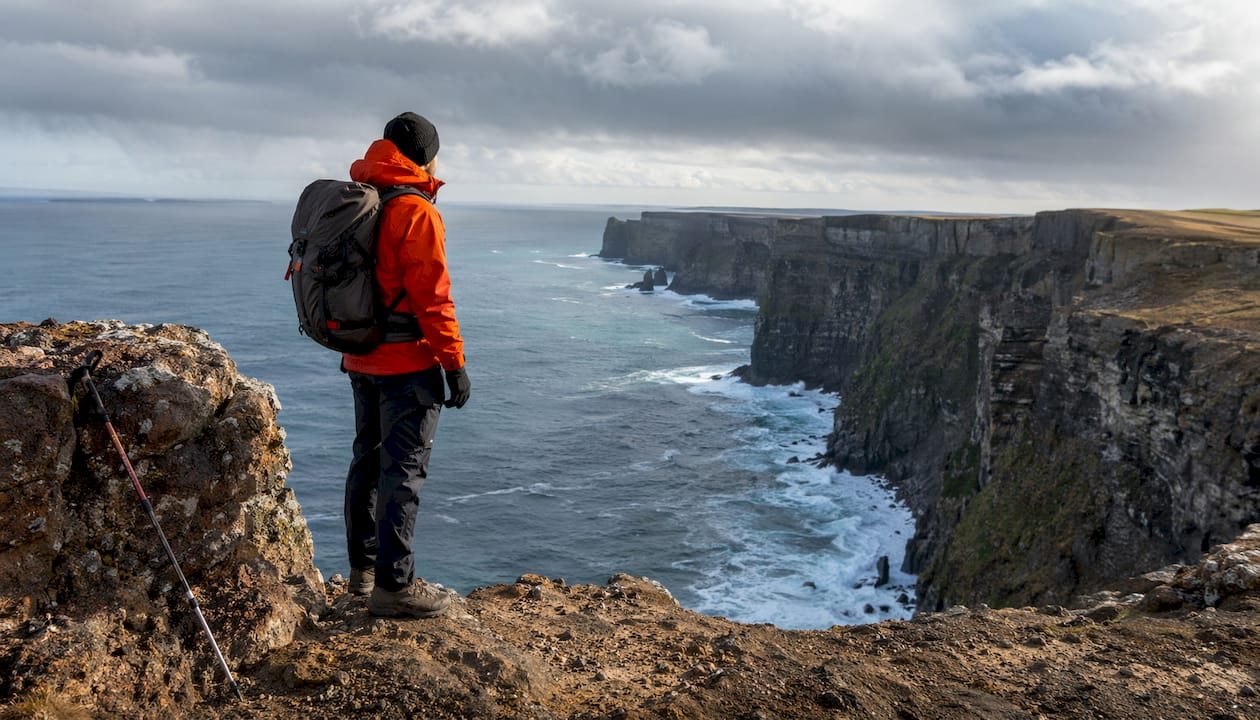
Iceland rewards travelers who show up prepared. U.S. citizens need no visa for stays up to 90 days, English is spoken virtually everywhere, and the country consistently ranks among the safest destinations on the planet. What you get in return: glaciers, geysers, volcanic coastlines, the Northern Lights, and a capital city with genuinely good food and nightlife. A few things to set expectations early:
- No visa required for U.S. tourists for up to 90 days
- English is widely spoken, especially in tourism
- Weather changes fast; flexible plans are not optional
- Tap water is exceptionally clean and safe to drink everywhere
- Summer brings the Midnight Sun; winter brings Northern Lights and snow activities
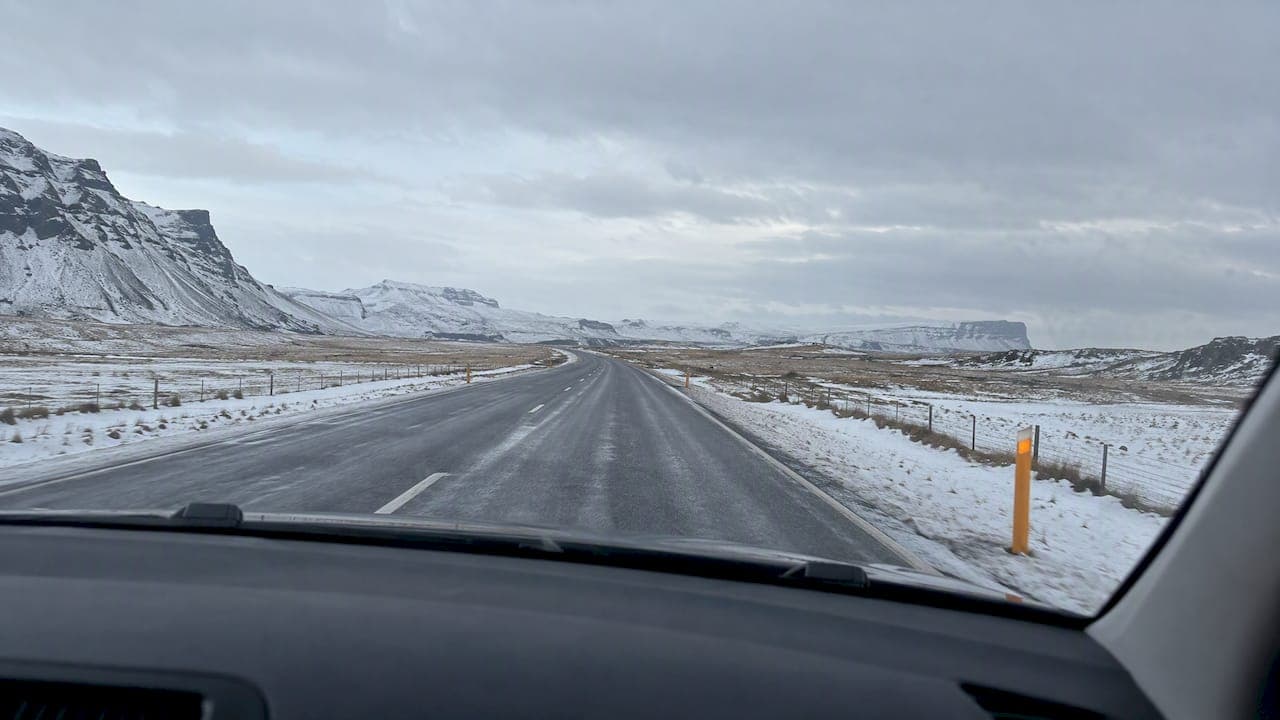
- The Ring Road (Route 1) circles the entire island and serves as the backbone of most itineraries
Where is Iceland, and how is it divided?
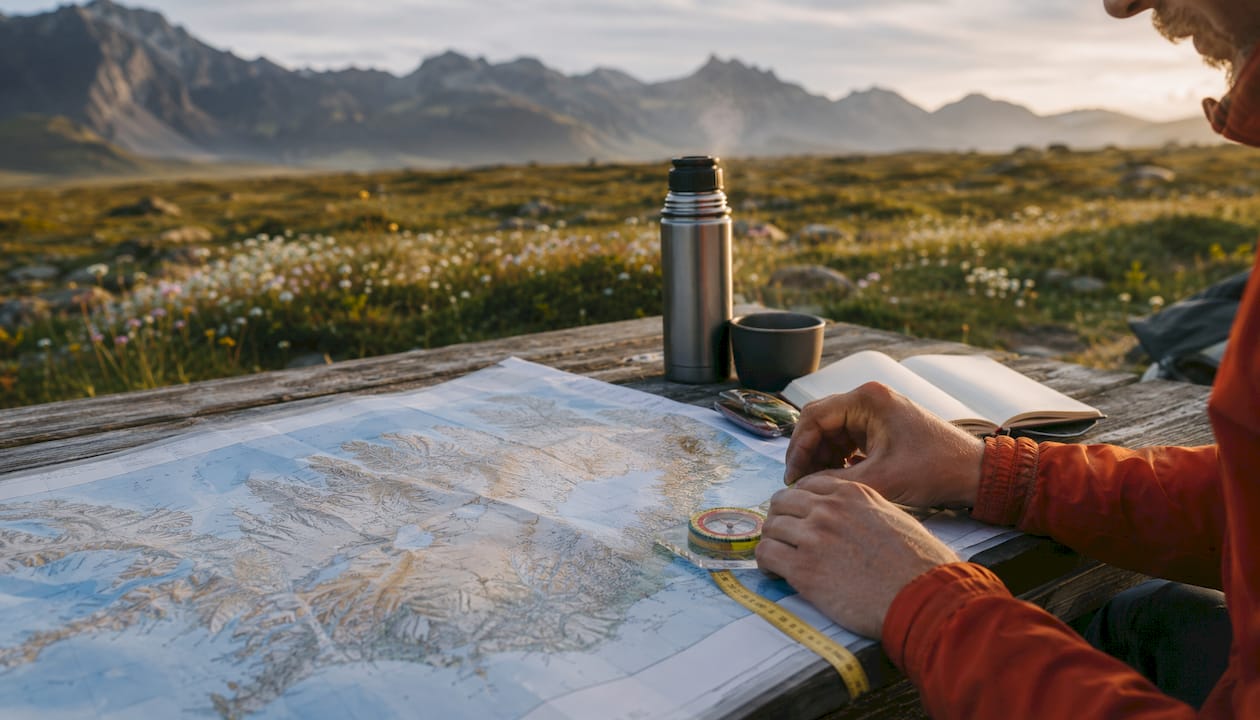
Iceland sits in the North Atlantic, just south of the Arctic Circle, straddling the boundary between the Eurasian and North American tectonic plates. The island covers 103,000 square kilometers and holds a population of roughly 364,000, most of them concentrated in Reykjavik and the southwest coast.
| Region | Key Features |
|---|---|
| Capital Region | Reykjavik, densely populated, cultural hub |
| South Coast | Glaciers, black sand beaches, volcanoes |
| Snaefellsnes Peninsula | Glacier, lava fields, coastal scenery |
| Westfjords | Remote fjords, bird cliffs, Dynjandi waterfall |
| Northeast | Geothermal areas, Lake Mývatn |
| East | Fjords, Vatnajökull National Park access |
| Highlands | Uninhabited, 4x4 only, summer access |
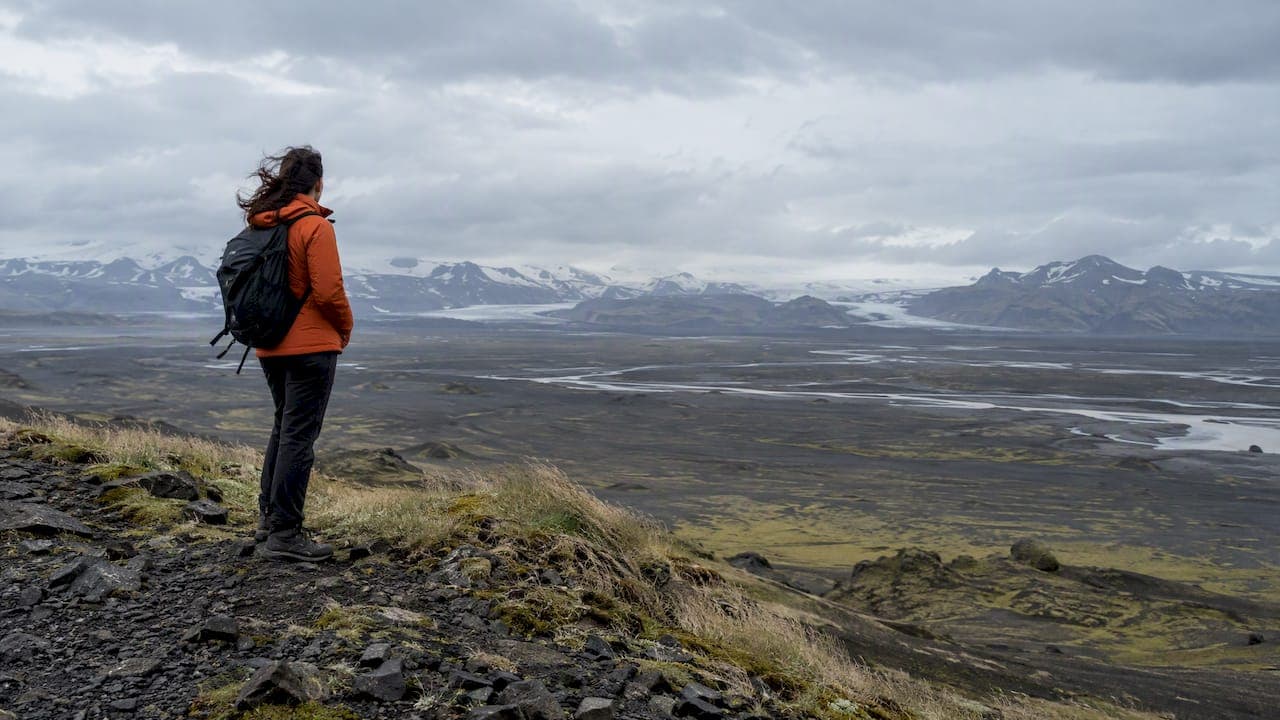
The central Highlands are largely uninhabited and only reachable in summer. Three national parks anchor the geography: Vatnajökull, Snæfellsjökull, and Þingvellir.
Pro Tip: Pack a detailed offline map app like Maps.me or download Google Maps offline before you leave Reykjavik. Mobile coverage disappears fast once you head into the interior or the Westfjords.

Top attractions and must-do activities in Iceland
The Golden Circle is Iceland’s most popular day trip from Reykjavik, and for good reason. It links three genuinely spectacular stops: Þingvellir National Park, where you can walk between tectonic plates; the Geysir geothermal field, home to the geyser that gave the English language its word; and Gullfoss, a two-tiered waterfall that drops into a canyon. Most travelers do it in a single long day.
The South Coast runs a close second. Waterfalls like Skógafoss and Seljalandsfoss, the black sand beach at Reynisfjara, glacier tongues you can actually touch, and the volcanic landscape around Vík make this stretch one of the most photographed in Europe. For Northern Lights viewing, the dark skies in late autumn and winter offer the best odds, especially away from city light pollution.
- Northern Lights: Best seen September through March, away from Reykjavik, on clear nights
- Glacier hiking: Guided tours depart from the South Coast year-round on Sólheimajökull and Skaftafell
- Ice caves: Natural blue ice caves inside Vatnajökull are accessible october through march
- Blue Lagoon: Geothermal spa near Keflavík Airport; book well in advance
- Reykjavik: Museums, thermal pools, excellent restaurants, and a nightlife scene that starts late and runs later
- Westman Islands: Puffin colony in summer, volcano museum, accessible by ferry or short flight
- Ring Road: The full Ring Road circuit is a long scenic drive that rewards travelers with waterfalls, remote fjords, lava fields, and glaciers
The Snaefellsnes Peninsula is one of the most overlooked destinations in Iceland. It packs glaciers, lava fields, coastal fishing towns, and black sand beaches into a single loop, with far fewer crowds than the South Coast.
Pro Tip: Register your travel plans at Safetravel.is before heading into remote areas. The Icelandic Association for Search and Rescue (ICE-SAR) uses these check-ins to coordinate rescues when travelers go out of mobile range.
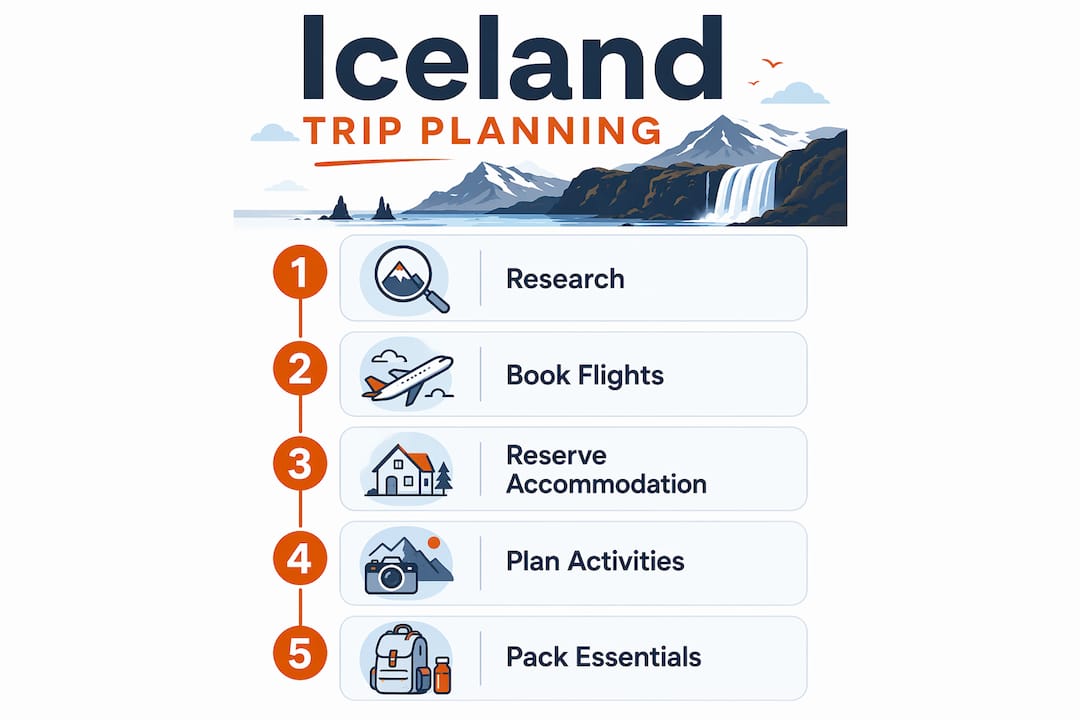
When should you visit Iceland?
The honest answer: it depends entirely on what you want to do. Summer (june through august) gives you the Midnight Sun, passable Highlands access, wildflowers, and puffins. Winter (november through february) delivers the Northern Lights, snow-covered landscapes, and ice caves. Shoulder seasons offer a mix of both, with smaller crowds and lower prices.
| Season | Weather | Daylight | Activities | Crowds |
|---|---|---|---|---|
| Summer offers cool weather with very long daylight hours, ideal for hiking and exploring the Highlands, and is the peak tourist season | ||||
| Fall brings variable weather with decreasing daylight, Northern Lights starting to appear and moderate visitor numbers | ||||
| Winter is cold with short daylight hours, offering good opportunities for Northern Lights, ice caves exploration, and skiing, with low tourist crowds | ||||
| Spring features improving weather and increasing daylight, with Northern Lights still possible and full waterfalls, attracting low to moderate crowds |
Reykjavik has cool summers and winters that hover around freezing on average. Wind chill is the real factor in winter. Whatever month you visit, the weather can shift from sunshine to sleet in under an hour.
Travel tips and safety for visitors to Iceland
Iceland’s biggest safety risk is not crime. It’s underestimating the environment. Sneaker waves at Reynisfjara beach have injured and killed visitors who stood too close to the water. Weather warnings are issued frequently and should be treated as hard stops, not suggestions. Check en.vedur.is (the Icelandic Meteorological Office) every morning.
- Register your itinerary at Safetravel.is, especially for remote or Highland travel
- Drink tap water freely; it’s clean and cold straight from the faucet
- Public restrooms are modern and stocked; some charge a small fee
- Tipping is not customary in Iceland
- Credit cards are accepted almost universally, including at small guesthouses
- Driving on F-roads (Highland routes) requires a 4x4; standard rental insurance does not cover F-road damage
- Speed limits are strictly enforced; fines are steep
How to plan your trip: transportation, accommodations, and itineraries
Most travelers rent a car. It’s the most flexible option and the only practical one for the South Coast and beyond. For the Highlands, you need a 4x4 with proper insurance. Buses connect major towns but run infrequently outside Reykjavik. Guided tours work well for day trips if you’d rather not drive.
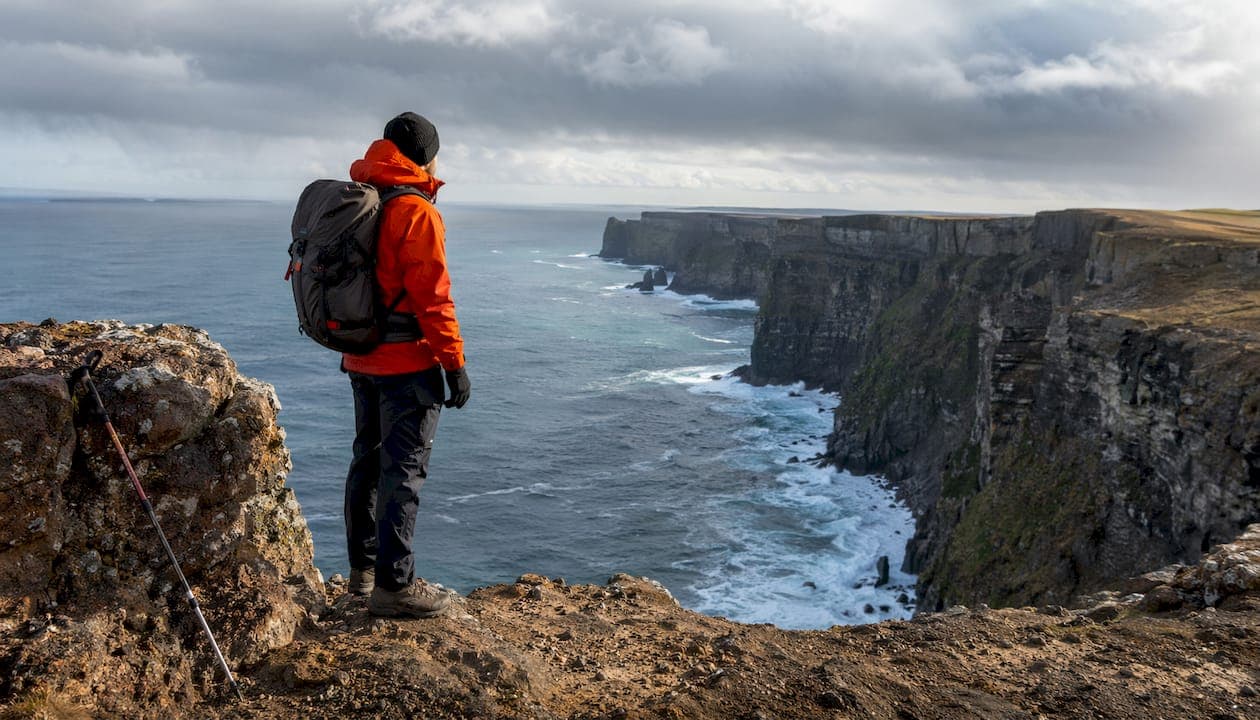
A layering clothing system beats a single heavy coat every time. Base layer, insulating mid-layer, and a waterproof shell handle Iceland’s variable conditions far better than any single jacket.
- 4–5 days: Golden Circle, South Coast, Blue Lagoon, Reykjavik
- 7–10 days: Add Snaefellsnes Peninsula or the East Fjords
- 14+ days: Full Ring Road circuit
For South Coast stays, hostels on Iceland’s South Coast offer a practical and social base for day trips in both directions. Book accommodations at least two to three months ahead for summer travel; the good spots fill fast.
For couples planning a longer itinerary, accommodation shapes the whole experience more than most travelers expect, especially when you’re choosing between Reykjavik-centric stays and countryside bases closer to the action.
Fox Hostel: your South Iceland base camp
Fox Hostel sits in a converted traditional Icelandic barn inside Hrífunes Nature Park, 35 minutes east of Vík. That location puts you within quick reach of Reynisfjara Black Sand Beach and Dyrhólaey, while sitting far enough from the village to get genuinely dark skies for Northern Lights viewing.
The hostel offers dorm beds for solo travelers and full room buyouts for couples, families, or groups who want privacy without paying hotel prices. Amenities include a large communal kitchen, an on-site pizzeria, and staff who know the South Coast routes better than any app.
Pro Tip: Fox Hostel sits midway between Vík and Kirkjubæjarklaustur, making it an ideal overnight stop for Ring Road travelers heading east toward Jökulsárlón Glacier Lagoon and Vatnajökull National Park.
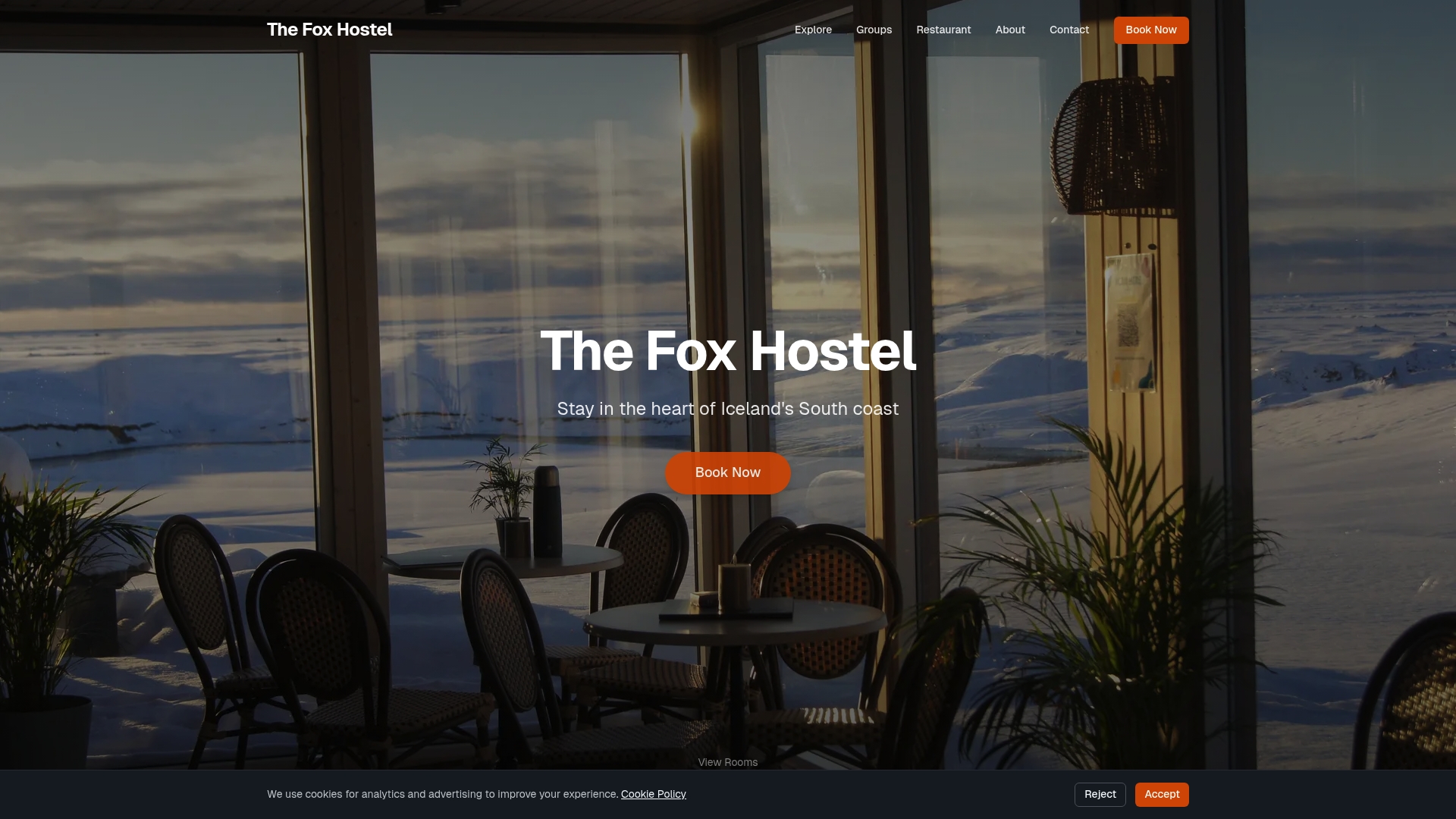
Book your stay at Fox Hostel and use it as your launchpad for the entire South Coast.
How to get to Iceland
Keflavík International Airport, about 30 miles southwest of Reykjavik, handles almost all international flights. Icelandair operates direct routes from several U.S. cities including New York (JFK), Boston, Minneapolis, and Seattle. The flight from the U.S. East Coast takes several hours, depending on departure city. From Keflavík, the Flybus connects directly to Reykjavik’s BSÍ bus terminal, or you can rent a car at the airport and head straight to your first stop.
Food and dining in Iceland
Icelandic cuisine centers on lamb, fish, and dairy, and the quality is consistently high. Skyr (a thick, protein-rich dairy product similar to Greek yogurt) shows up at nearly every breakfast table. The lamb is grass-fed and notably flavorful. In Reykjavik, the restaurant scene punches well above what you’d expect from a city of 130,000 people, with everything from traditional fish stew to creative Nordic tasting menus. Outside the capital, gas stations double as surprisingly decent cafes, and most small towns have at least one solid restaurant.
Cultural customs and etiquette in Iceland
Icelanders are direct, unpretentious, and genuinely friendly without being performatively so. Punctuality matters. Removing shoes before entering someone’s home is standard. Tipping is not expected at restaurants or hotels. Loud or disruptive behavior in nature areas draws real disapproval. The country takes environmental protection seriously, and walking off marked trails, especially near fragile moss-covered lava fields, causes lasting damage that can take decades to recover.
Budget considerations for travelers
Iceland is expensive. Budget travelers can manage with careful spending on accommodation, food, and gas, while mid-range travelers should expect significantly higher daily expenses. The biggest costs are accommodation, car rental, and dining out. Cooking your own meals in a hostel kitchen cuts food costs dramatically. Gas prices are high by U.S. standards, and the distances between stops add up quickly on the Ring Road.
What to pack for Iceland
Iceland’s weather demands preparation, not bulk. The layering system (base, mid, shell) handles everything from a sunny july hike to a february blizzard.
- Waterproof jacket and pants: Non-negotiable in any season
- Merino wool base layers: Regulate temperature and resist odor on multi-day trips
- Sturdy waterproof hiking boots: Trails are often wet and uneven
- Warm hat, gloves, and neck gaiter: Even in summer, wind chill bites
- Sunglasses and sunscreen: Summer sun at high latitude is deceptively strong
- Camera with extra batteries: Cold drains batteries fast; carry spares in a warm pocket
- Portable power bank: Charging options are limited in remote areas
- Reusable water bottle: Tap water is excellent everywhere
Key Takeaways
Iceland is safe, accessible for U.S. travelers without a visa, and best explored with a rental car, layered clothing, and accommodations booked well in advance.
| Point | Details |
|---|---|
| No visa needed | U.S. citizens can visit Iceland for up to 90 days without a visa. |
| Weather demands respect | Check forecasts daily; ignoring warnings causes most rescue operations in Iceland. |
| Car rental is essential | A 4x4 is required for Highland F-roads, which standard insurance does not cover. |
| Layer your clothing | A base, mid-layer, and waterproof shell outperforms any single heavy coat in Iceland’s variable conditions. |
| Book early for summer | Peak-season accommodations and tours fill months in advance; plan accordingly. |