What Is a Travel Base? Smart Planning for Iceland Adventures
What Is a Travel Base? Smart Planning for Iceland Adventures
TL;DR:
- Choosing a travel base in South Iceland minimizes driving time, allowing for more exploration and spontaneous adventures. Staying near key attractions like Vík, Hvolsvöllur, or Kirkjubæjarklaustur offers cost-effective, flexible lodging with authentic local knowledge. This approach enhances safety, maximizes daylight, and deepens your connection with Iceland’s scenic countryside and genuine experiences.
Most travelers book a hotel in Reykjavik and figure they’ll drive out each morning to catch the highlights. It sounds logical until you’re sitting in your rental car at 7 a.m., staring down a three-hour round trip to Reynisfjara Black Sand Beach before you’ve even had coffee. Basing in Reykjavik wastes hours of precious daylight on back-and-forth drives that eat into your actual adventure time. This guide explains exactly what a travel base is, why South Iceland is where you want to plant your flag, and how to choose the right lodging so that every day you’re exploring, not commuting.
Table of Contents
- What is a travel base in Iceland?
- Why adventure travelers need a travel base in South Iceland
- Choosing your travel base: locations, lodging types, and when to book
- Hostel and base camp life: what to expect and how to make the most of it
- A smarter approach to Iceland: what most travelers miss about travel bases
- Ready to find your ideal travel base in South Iceland?
- Frequently asked questions
Key Takeaways
| Point | Details |
|---|---|
| Travel bases save time | Staying in South Iceland minimizes drive time and maximizes adventure each day. |
| Book early for best spots | Reserve your hostel or base camp 6-9 months ahead to secure budget-friendly options near attractions. |
| Choose lodging wisely | Hostels and base camps offer amenities that suit nature travelers, from tours to kitchens and social events. |
| Local stays mean richer trips | Anchoring in the countryside lets you experience Iceland’s culture and natural beauty more deeply. |
What is a travel base in Iceland?
A travel base is straightforward: it’s one accommodation you return to for multiple nights while you explore everything within reach. Instead of packing and unpacking at a new place every single day, you leave your bags somewhere comfortable and radiate outward on day trips. For Iceland, where distances are deceptive and road conditions can flip fast, this approach changes everything.
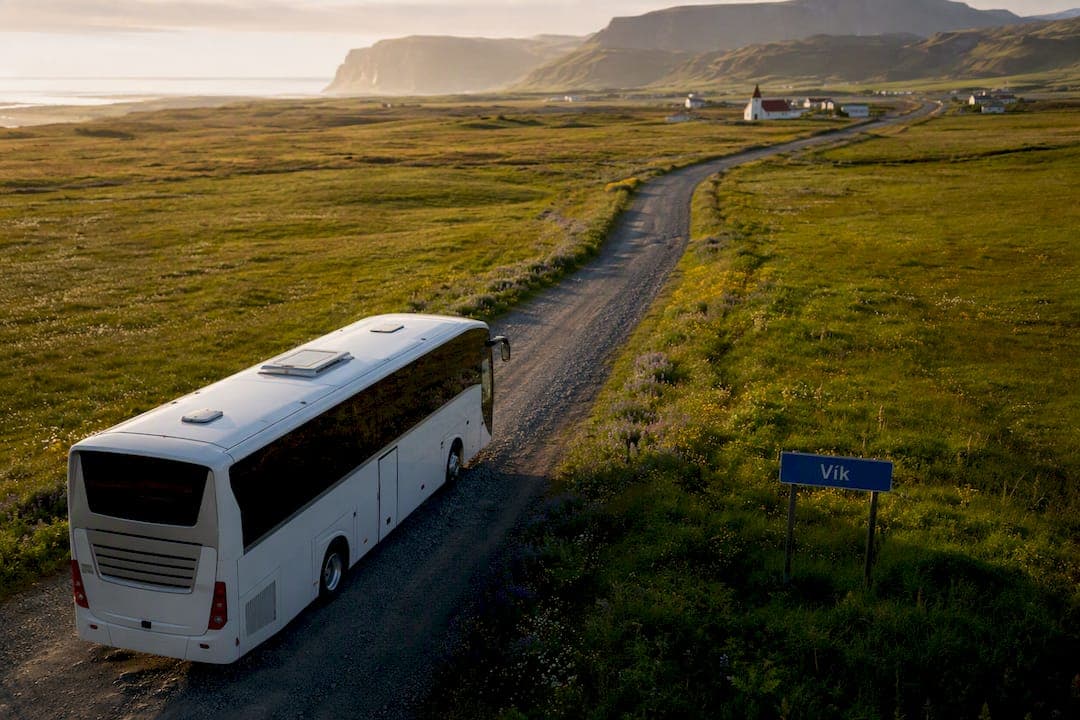
The countryside is where this strategy really shines. Most travelers assume Reykjavik is the obvious hub because it’s the capital. But bases reduce driving time significantly when you position yourself near the attractions you actually care about. Driving from the capital to Vík, for example, takes about 2.5 hours each way. From a well-placed base near Vík, you’re already there.
“A well-chosen travel base isn’t about where you sleep. It’s about where you wake up and what you can reach before lunch.”
The best travel bases for adventure travelers share a few traits. They sit close to multiple major attractions, they offer flexible lodging for solo travelers and groups alike, and they connect you with local knowledge you simply can’t Google. That last part matters more than most people realize. A hostel staff member who drove the F-roads last weekend can tell you which Highland trail actually has good conditions right now. That kind of real-time intel shapes your whole itinerary.
Key qualities that define a strong Iceland travel base:
- Central location within 30 to 60 minutes of multiple must-see sites
- Flexible booking options for solo beds, couple rooms, or full group buyouts
- Communal spaces like kitchens and lounges for sharing tips with other travelers
- On-site resources such as local guides, gear advice, or tour connections
- Good value that keeps your budget free for activities and experiences
Choosing hostels on South Coast areas over capital-city hotels is one of the smartest moves adventure travelers can make, and the logic becomes even clearer once you map out the South Iceland itinerary you actually want to do.
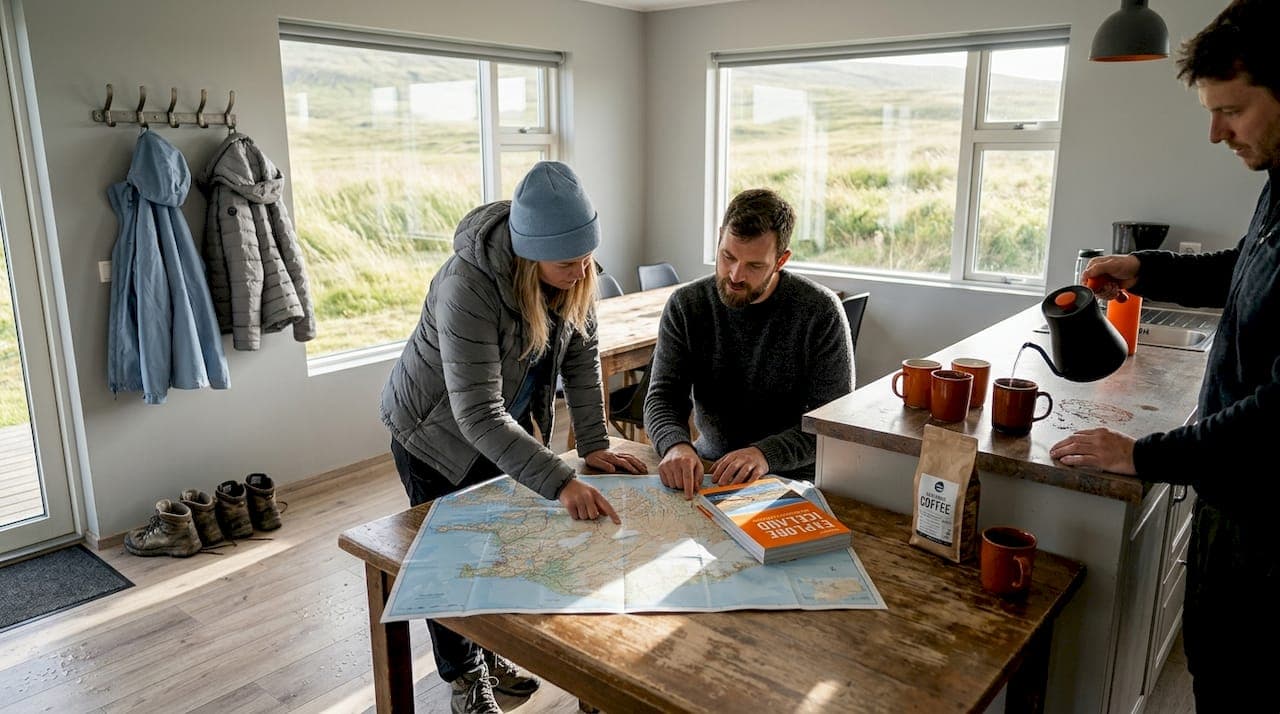
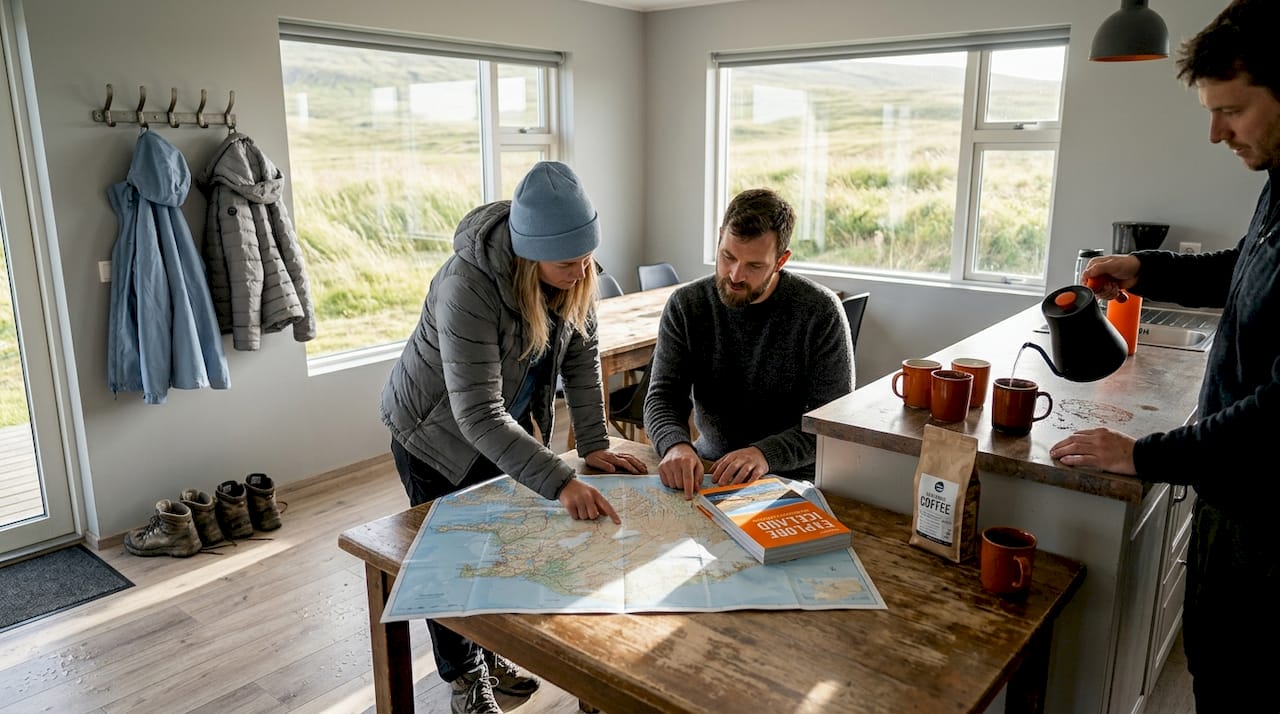
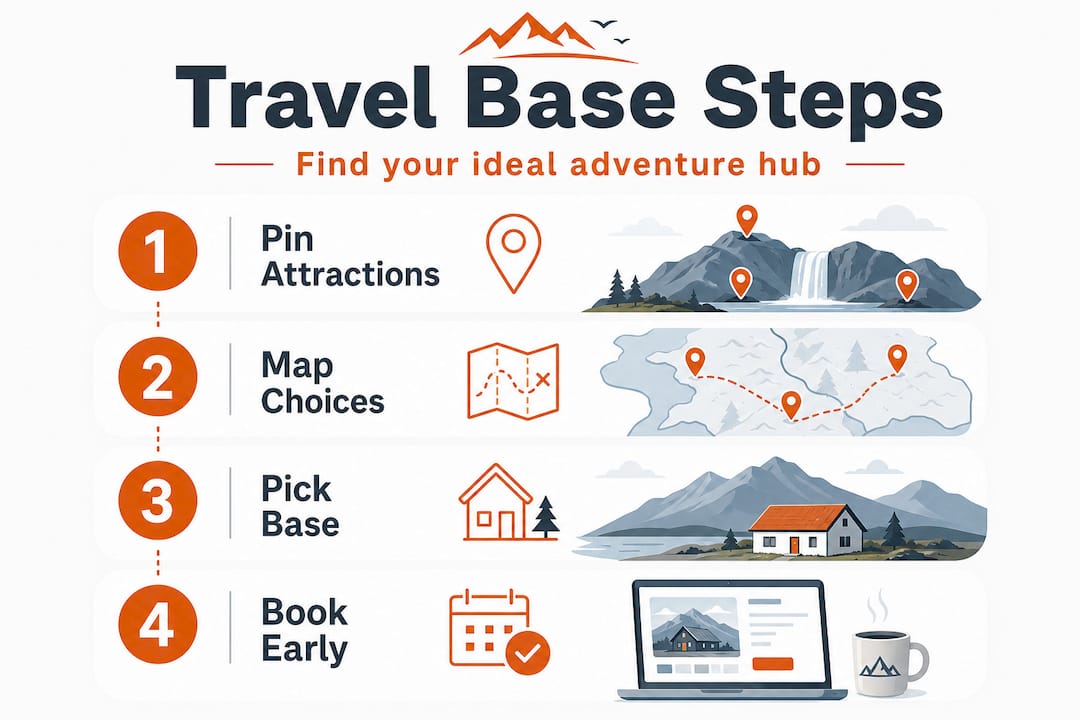
Pro Tip: Look at a map before you book anything. Pin your top five attractions, then find the geographic center of that cluster. That’s where your travel base belongs.
Why adventure travelers need a travel base in South Iceland
South Iceland is Iceland’s adventure corridor. Skógafoss waterfall, Reynisfjara black sand beach, Dyrhólaey sea cliffs, the Fimmvörðuháls hiking trail, Vatnajökull National Park, and Jökulsárlón Glacier Lagoon all sit along the same stretch of Ring Road. That concentration of world-class sights is exactly why your base location matters so much.
Here’s a concrete breakdown of what time savings actually look like:
| Attraction | Distance from Reykjavik | Distance from Vík area base |
|---|---|---|
| Reynisfjara Beach | 186 km (2.5 hr) | 9 km (12 min) |
| Skógafoss Waterfall | 149 km (2.0 hr) | 49 km (45 min) |
| Jökulsárlón Glacier Lagoon | 373 km (4.5 hr) | 187 km (2.0 hr) |
| Dyrhólaey Cliffs | 180 km (2.4 hr) | 15 km (18 min) |
| Fimmvörðuháls Trailhead | 152 km (2.2 hr) | 55 km (55 min) |
Those numbers represent saved daylight, and in Iceland, daylight is your most valuable resource whether you’re chasing the midnight sun in summer or trying to maximize short winter windows.
The financial case is just as strong. A well-equipped hostel base lets you cook most of your meals in a shared kitchen, which in Iceland is not a small saving. Groceries from a local supermarket cost a fraction of what restaurants charge. Staying put also means fewer fuel costs and less wear on a rental vehicle. And because high demand near attractions requires booking 6-9 months ahead in South Iceland, travelers who plan early and commit to a base often lock in much better rates than those who try to piece together nightly stops on the fly.
Weather flexibility is another underrated benefit. Iceland’s conditions can shift from sunshine to whiteout in under an hour. When you’re based in one spot, you can easily swap Tuesday’s glacier hike for Wednesday when the forecast clears, without scrambling to rearrange accommodation in a new location. That kind of spontaneity is the soul of adventure travel, and it’s only possible when you’re not locked into a rigid nightly hop.
Hostel amenities in Iceland have evolved dramatically. The best options now offer more than just a bed. Think guided tour bookings, gear lockers, boot-drying rooms, hot showers after muddy trails, and bulletin boards covered in hand-written notes from other travelers about hidden spots and road conditions.
How to make the most of a South Iceland base, step by step:
- Map your priority attractions before you book anything. Know whether you lean east (glaciers, lagoon) or west (waterfalls, highlands).
- Choose a base within 30 to 60 minutes of your top cluster of sites.
- Book at least 6 months ahead for summer travel, 4 to 5 months for shoulder seasons.
- Plan two or three full day trips from your base rather than trying to cover the whole coast in a single sweep.
- Build in one rest day for weather delays, spontaneous discoveries, or simply sitting outside with a coffee watching Icelandic horses graze.
Pro Tip: Check the Veðurstofa Íslands weather forecast every evening for the next day. A base-camp approach lets you pivot your itinerary overnight without any logistical chaos.
Choosing your travel base: locations, lodging types, and when to book
Three towns anchor the South Iceland adventure zone: Vík, Hvolsvöllur, and Kirkjubæjarklaustur (called Klaustur by locals). Each serves a different traveler profile.
Vík is the most popular. It’s the southernmost town in Iceland, sitting right beside Reynisfjara and within easy reach of Dyrhólaey and the eastern glacier edges. If your itinerary leans toward iconic South Coast shots and ocean-side hiking, Vík’s surrounding area is your home base. The town itself is small but has a supermarket, a gas station, and a handful of restaurants.
Hvolsvöllur sits to the west and makes sense if you’re prioritizing Þórsmörk (Thorsmork) nature reserve, the Laugavegur hiking trail, or Seljalandsfoss and Skógafoss waterfalls. It’s a more workaday town with fewer tourists, which means better prices and a calmer atmosphere.
Kirkjubæjarklaustur is the eastern anchor. If Vatnajökull National Park, Skaftafell, and Jökulsárlón are your main goals, positioning yourself here cuts hours off your daily drives and gives you a head start into the true wilderness.
| Base location | Best for | Accommodation types | Typical nightly cost range |
|---|---|---|---|
| Vík area | Iconic beaches, cliffs, ring road | Hostels, guesthouses | $35 to $100 |
| Hvolsvöllur | Waterfalls, highland trails | Hostels, guesthouses, camping | $30 to $90 |
| Kirkjubæjarklaustur | Glaciers, lagoons, eastern fjords | Guesthouses, small hotels | $45 to $130 |
For budget adventure travel, prioritize hostels and base camps with shared facilities, on-site tours, and easy access to off-the-beaten-path hikes. The communal kitchen alone can save $30 to $50 per day per person compared to eating out for every meal.
Key things to look for when comparing lodging options:
- Room buyout options for couples and small groups who want privacy without hotel prices
- On-site kitchen facilities with real cooking equipment, not just a kettle and microwave
- Social spaces where you can trade route advice with other travelers
- Parking and fuel access nearby for road-trippers
- Dark sky access for Northern Lights viewing in autumn and winter
Explore hostel room options carefully before booking. Many modern hostels offer tiered options from individual dorm beds for solo travelers all the way to full room buyouts for couples or small families who want genuine privacy. And social hostels in Iceland have built real communities around shared travel goals, making them far more than just budget sleeping spots.
Hostel and base camp life: what to expect and how to make the most of it
Walking into a well-run Icelandic hostel feels different from what many travelers expect. The stereotype of noisy, crowded, and chaotic doesn’t hold up in modern countryside hostels, especially those designed specifically for adventure travelers. The vibe is collaborative rather than chaotic.
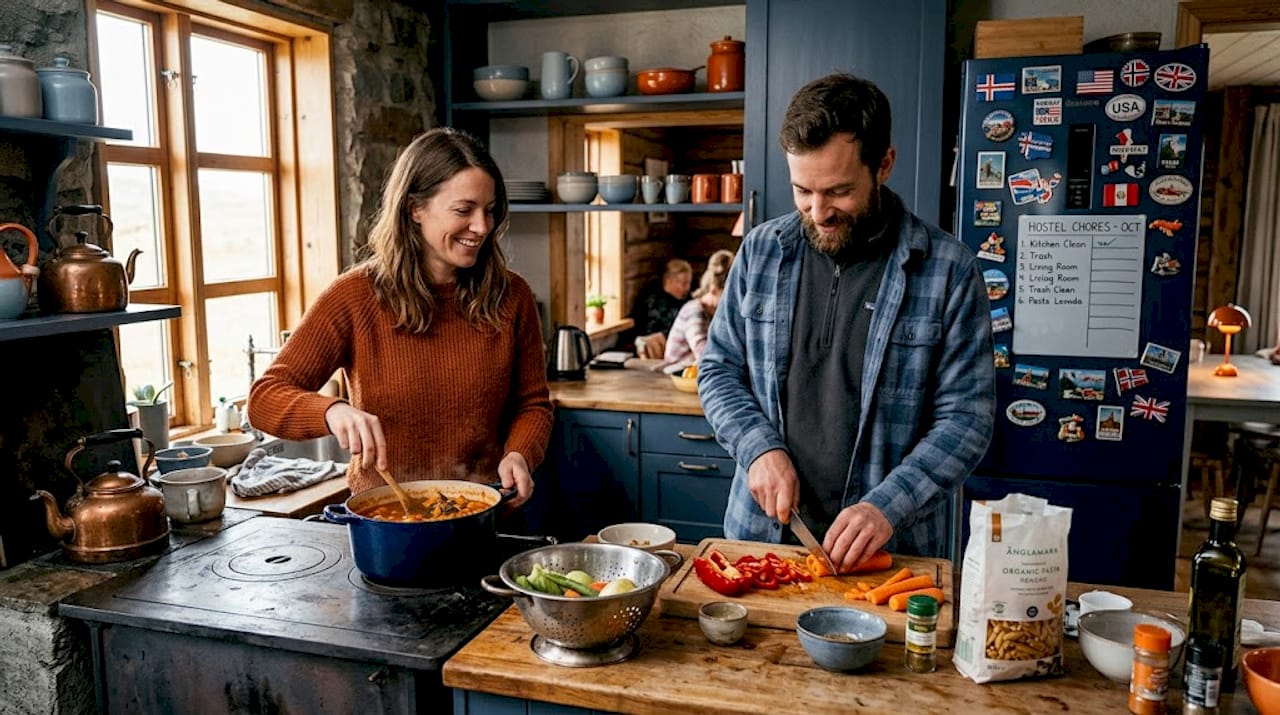
A typical day at a South Iceland hostel base looks something like this. You wake up early and head to the communal kitchen, where someone is already making oatmeal and asking if anyone wants to carpool to a trailhead. You cook a proper breakfast, check the weather app, adjust your plans accordingly, and hit the road within 45 minutes. By noon you’re standing at a glacier’s edge. By 4 p.m. you’re back, boots drying, comparing photos with people who took a completely different route.
What to expect from a good hostel or base camp:
- Fully equipped shared kitchen with pots, pans, knives, a stove, oven, and fridge space
- Communal lounge or dining area for evening social time and trip planning
- Dorm rooms with reading lights, power outlets, and secure luggage storage
- Bathroom and shower facilities that are clean and hot after a cold day outside
- On-site staff with current local knowledge about road conditions and hidden spots
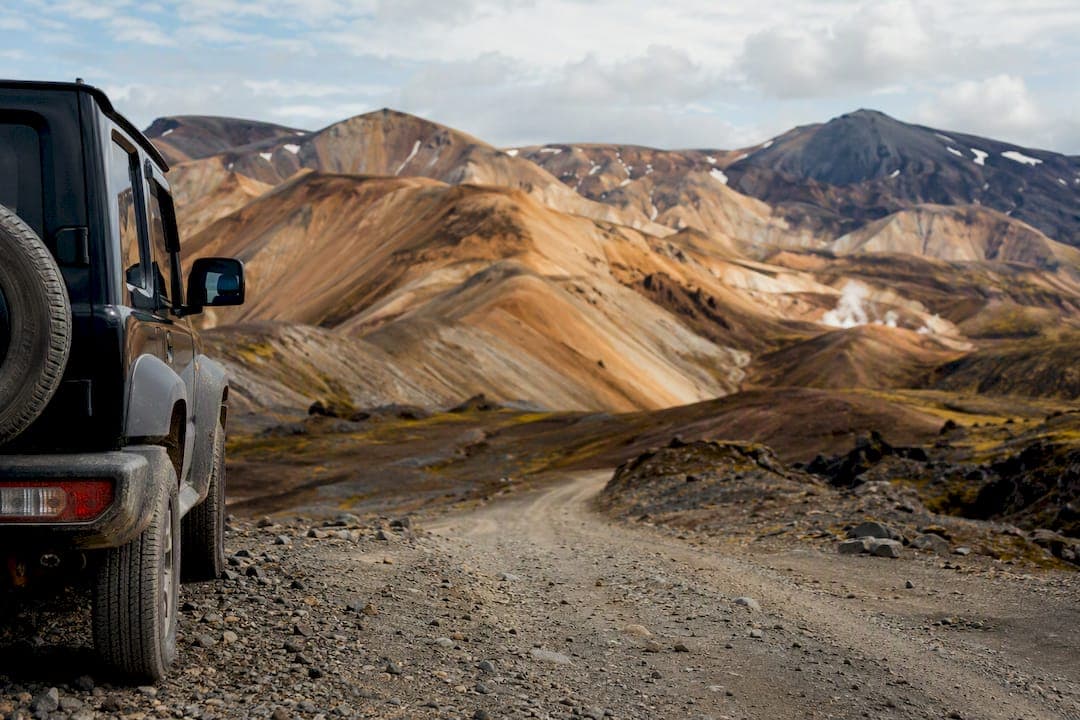
Winter requires a 4x4 for some roads in Iceland, while summer opens up more routes to standard vehicles. Always check road conditions through the Icelandic Road and Coastal Administration (Vegagerðin) before heading out, especially if you’re considering any F-roads. A good hostel staff team will know exactly which roads are passable and which ones aren’t worth the risk.
When it makes sense to upgrade to a private room or full room buyout: couples who want quiet mornings, families traveling with young children, or anyone arriving mid-winter when the dark hours make social interaction harder than in summer.
Pro Tip: Bring a reusable grocery bag, your own food staples (coffee, oats, pasta, olive oil), and a good pair of earplugs. Shop at Bonus supermarkets when you pass through larger towns. Your meal costs in Iceland will drop dramatically.
Explore the self-service hostel guide to understand exactly what self-catering accommodation means in Iceland, how it differs from fully staffed hotels, and why it works so well for independent adventure travelers.
A smarter approach to Iceland: what most travelers miss about travel bases
Here’s the uncomfortable truth that most Iceland itinerary guides won’t tell you. Covering more ground doesn’t mean you’re seeing more. It often means you’re seeing less, because you’re rushing through everything with a half-packed bag in the back seat and an eye on the next checkout time.
The travelers who come back from Iceland raving about it aren’t the ones who hit 22 attractions in eight days. They’re the ones who spent three nights near Vík and accidentally stumbled on a sheep farm at sunset, or stayed long enough to see the Northern Lights appear twice in one week, or woke up at 3 a.m. because another guest knocked on their door to say the sky was on fire.
Staying in one place creates the conditions for those moments. You stop optimizing your schedule and start paying attention to where you actually are. You chat with the person next to you at dinner and end up on a hike you never planned. You notice that the light on the black sand beach is completely different at 6 a.m. than at 2 p.m., and you actually have the energy to be there for both because you didn’t drive five hours yesterday.
There’s also a practical dimension most people overlook. Fatigue is a real safety issue when you’re driving Iceland’s roads. Long driving days, combined with unfamiliar gravel surfaces, unmarked single-lane bridges, and sudden weather changes, are genuinely risky. A travel base that puts you close to your attractions means shorter driving windows and a sharper, safer traveler behind the wheel.
Rural Iceland stays are consistently rated as the most memorable part of visitors’ trips, not because the accommodation is luxurious, but because slowing down in the countryside connects you to a version of Iceland that doesn’t appear on any highlight reel. The lava fields at dusk, the silence between waterfalls, the sheep crossing a road that goes nowhere in particular: these are the things people actually remember.
Ready to find your ideal travel base in South Iceland?
Fox Hostel sits in Hrífunes Nature Park, a beautifully converted traditional Icelandic barn just 35 minutes east of Vík. That position puts you within easy reach of Reynisfjara, Dyrhólaey, and the South Coast’s best hiking, while also giving you a quiet, genuine countryside retreat away from tourist crowds.
Whether you’re a solo traveler looking for a single dorm bed or a couple wanting to book an entire room for privacy, Fox Hostel South Iceland offers flexible options that match exactly how you want to travel. The on-site pizzeria, massive communal kitchen, and dark skies perfect for Northern Lights viewing make it more than just a place to sleep. It’s a launchpad for the kind of adventure-first South Iceland trip this guide is all about. Browse nature hostels for adventure and explore adventure activities near Vík to start building your ideal Ring Road itinerary.
Frequently asked questions
Is it better to stay in Reykjavik or have a countryside travel base?
For adventure and nature travelers, a countryside travel base in South Iceland saves hours of driving and gets you closer to major sights. Basing in Reykjavik typically adds two to five hours of back-and-forth driving per day, time you could spend hiking, exploring beaches, or watching for Northern Lights.
How far ahead should I book a hostel or base camp in South Iceland?
Book your accommodation at least 6 to 9 months in advance, especially for summer travel or stays near high-demand South Coast attractions. Last-minute availability is rare, and late booking often means higher prices or poor location options.
What’s the difference between a hostel, base camp, and guesthouse in Iceland?
Hostels offer community-focused shared spaces and social atmospheres, base camps target adventurers with gear storage, guided tours, and proximity to off-the-beaten-path hikes, while guesthouses are quieter with more private amenities and varied service levels.
Do I need a 4x4 to reach travel bases in South Iceland?
Many hostels and base camps sit directly on or near the Ring Road and are fully reachable by standard car or bus in summer. Winter requires a 4x4 for some roads, particularly F-roads and remote highland access routes, so check road conditions before every trip day.
Recommended
- Travel Iceland on a budget: smart tips for affordable adventure | Fox Hostel – South Iceland
- What is a self-service hostel? Iceland’s smart budget stay | Fox Hostel – South Iceland
- How to Meet Other Travelers in Iceland: Solo Guide | Fox Hostel – South Iceland
- Las 4 mejores alternativas a midgardbasecamp.is 2026 | Fox Hostel – South Iceland